Jans Christoph, Wambui Joseph, Stevens Marc J A, Tasara Taurai
Laboratory of Food Biotechnology, Institute of Food, Nutrition and Health, Department of Health Science and Technology, ETH Zurich, Switzerland.
Institute of Food Safety and Hygiene, University of Zurich, Zurich, Switzerland.
Front Microbiol. 2022 Aug 15;13:923080. doi: 10.3389/fmicb.2022.923080. eCollection 2022.
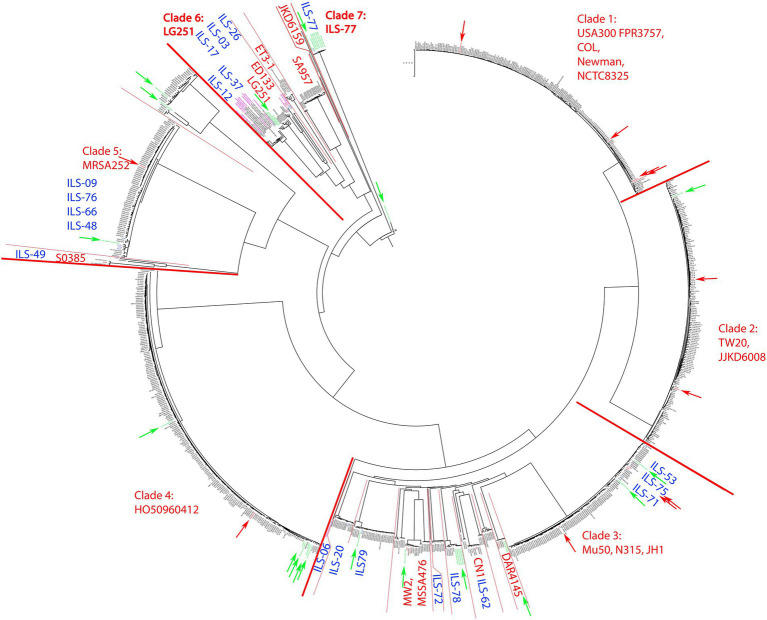
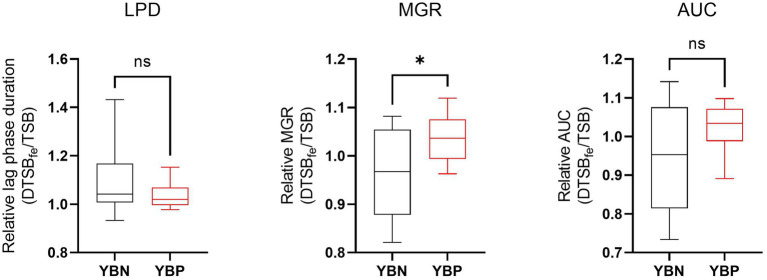
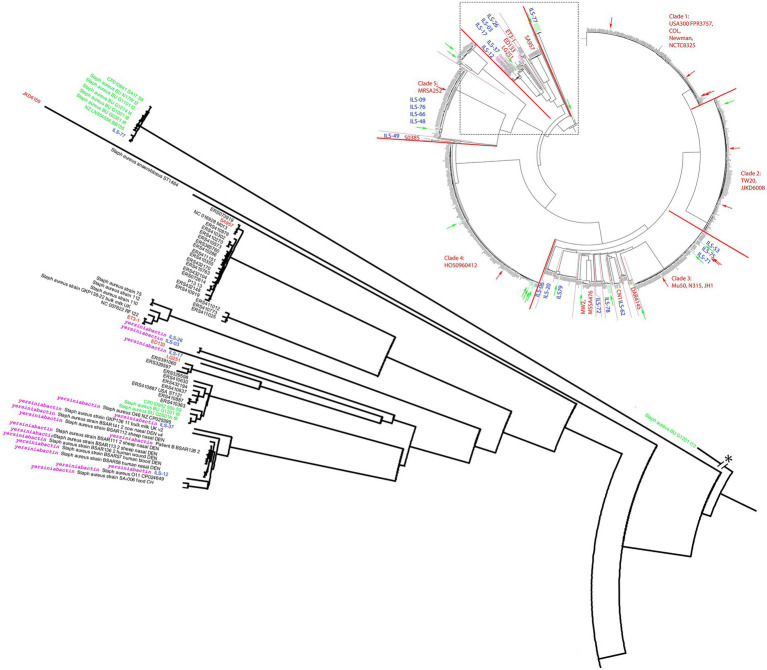
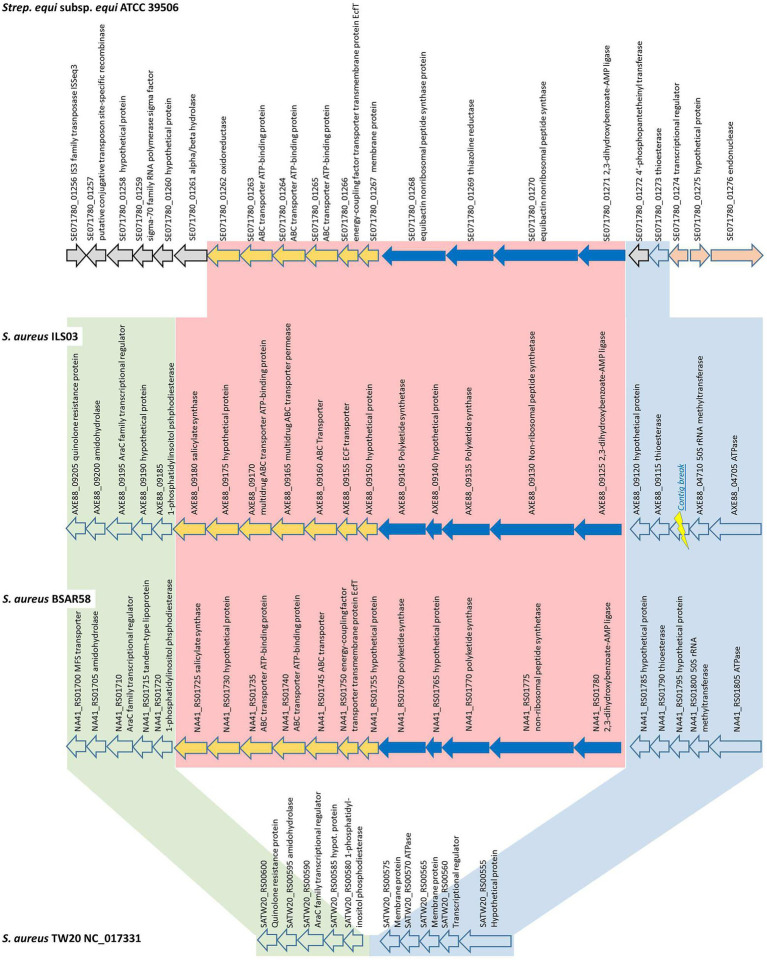
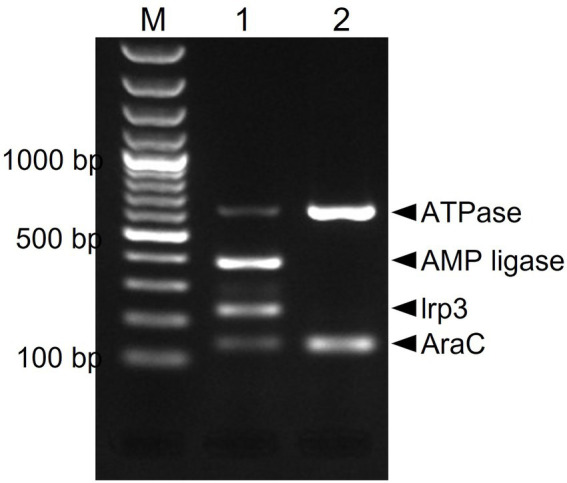
infection is considered to be a neglected tropical disease with huge impact on human and animal health alike. Dairy production in sub-Saharan Africa (SSA) relies heavily on various animals such as cows, goats, and camels, depending on the region. causes mastitis and exhibits high prevalence in raw milk. The population structure including genotypic and phenotypic traits of dairy in relation to animal and human isolates is, however, unknown for SSA. In this work, 20 dairy isolates from East and West Africa were selected for comparative genomics and phenotypic analysis. Comparing their population structure revealed a large diversity of different origins suggesting milk to be a reservoir for human and animal strains alike. Furthermore, a novel putative siderophore was detected in multiple strains in a distinct animal-clade with strains of global origin. This putative siderophore shares a high genetic identity with that from suggesting possible horizontal gene transfer. These findings combined with the virulence genes harbored by these dairy-derived strains such as , human evasion factor , various enterotoxin, leucocidin and antibiotic resistance genes, stresses the need for an integrative One Health approach to tackle the problem of infections in animals and humans in sub-Saharan Africa.
感染被认为是一种被忽视的热带疾病,对人类和动物健康都有巨大影响。撒哈拉以南非洲(SSA)的乳制品生产严重依赖于各种动物,如奶牛、山羊和骆驼,具体取决于地区。[该病原体]会引发乳腺炎,并且在生牛奶中具有很高的流行率。然而,关于SSA地区与动物和人类分离株相关的乳制品[病原体]的种群结构,包括基因型和表型特征,目前尚不清楚。在这项研究中,从东非和西非选取了20株乳制品[病原体]分离株进行比较基因组学和表型分析。对它们的种群结构进行比较后发现,不同来源的菌株具有很大的多样性,这表明牛奶是人类和动物菌株的共同储存库。此外,在一个具有全球来源菌株的独特动物进化枝中的多个菌株中检测到一种新型的假定铁载体。这种假定铁载体与[另一病原体]的铁载体具有高度的遗传同源性,这表明可能存在水平基因转移。这些发现,再加上这些源自乳制品的菌株所携带的毒力基因,如[具体毒力基因名称]、人类逃避因子[具体名称]、各种肠毒素、杀白细胞素和抗生素抗性基因,强调了需要采取综合的“同一健康”方法来解决撒哈拉以南非洲动物和人类的[病原体名称]感染问题。