Wambui Joseph, Eshwar Athmanya K, Aalto-Araneda Mariella, Pöntinen Anna, Stevens Marc J A, Njage Patrick M K, Tasara Taurai
Institute for Food Safety and Hygiene, Vetsuisse Faculty, University of Zurich, Zurich, Switzerland.
Graduate School for Cellular and Biomedical Sciences, University of Bern, Bern, Switzerland.
Front Microbiol. 2020 Oct 6;11:549531. doi: 10.3389/fmicb.2020.549531. eCollection 2020.
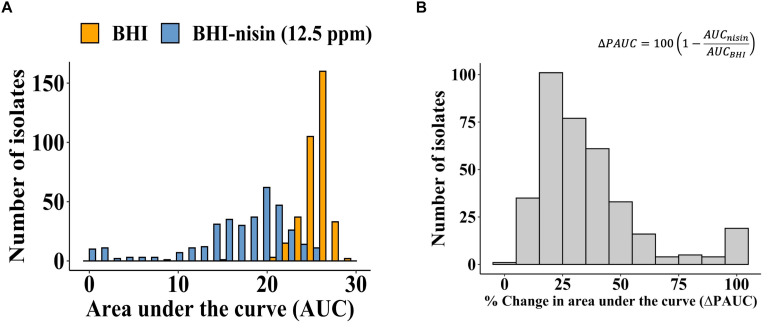
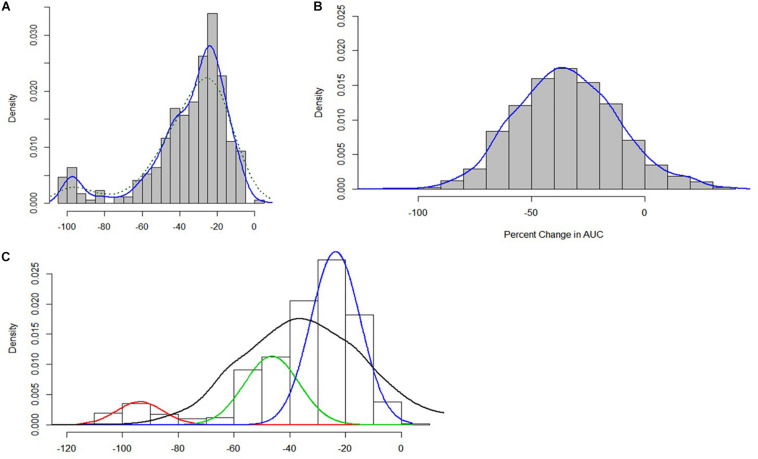
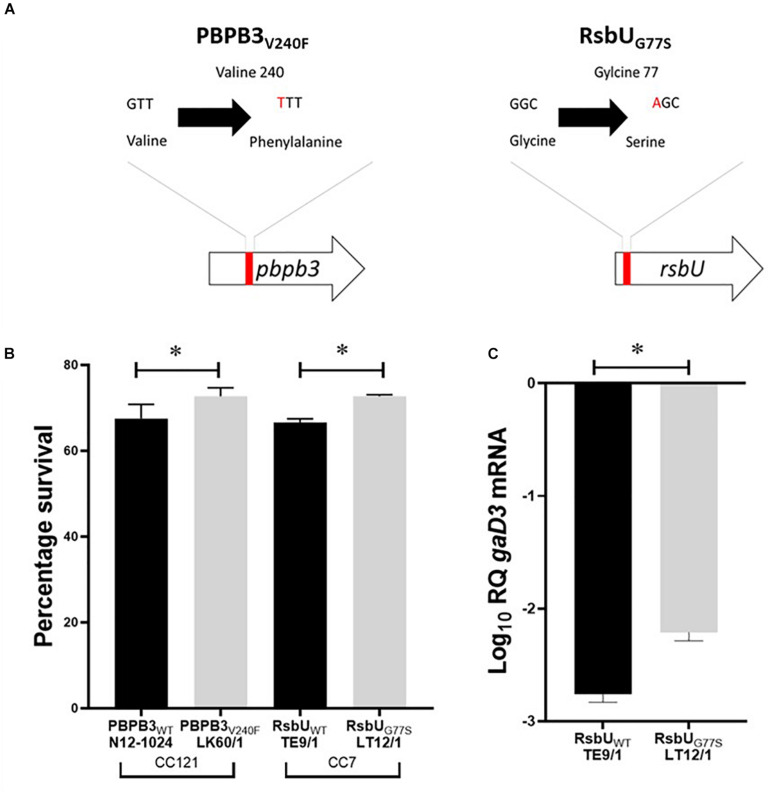
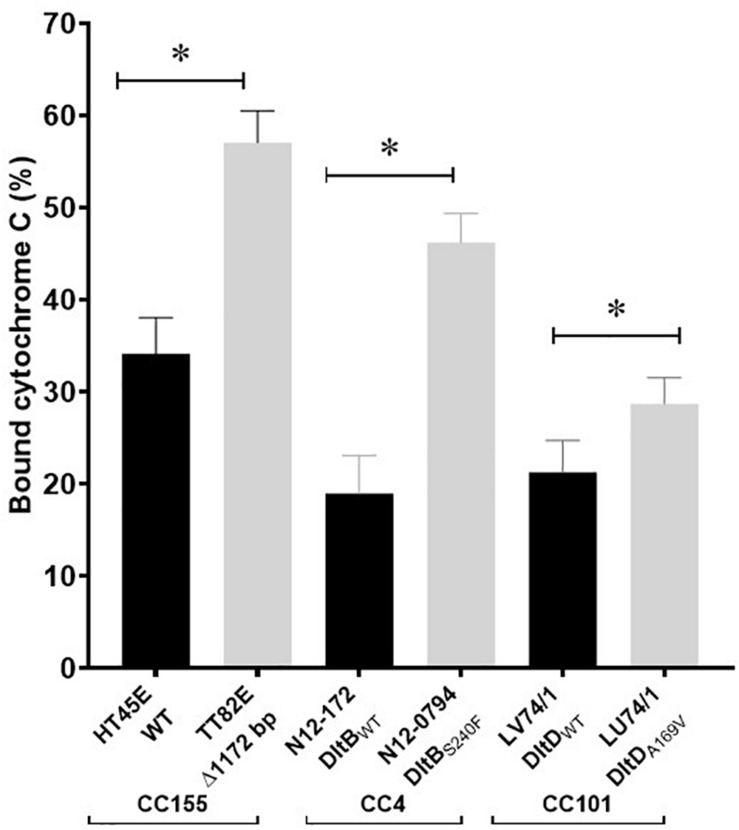
Nisin is a commonly used bacteriocin for controlling spoilage and pathogenic bacteria in food products. Strains possessing high natural nisin resistance that reduce or increase the potency of this bacteriocin against have been described. Our study sought to gather more insights into nisin resistance mechanisms in natural populations by examining a collection of 356 field strains that were isolated from different foods, food production environments, animals and human infections. A growth curve analysis-based approach was used to access nisin inhibition levels and assign the strains into three nisin response phenotypic categories; resistant (66%), intermediate (26%), and sensitive (8%). Using this categorization isolation source, serotype, genetic lineage, clonal complex (CC) and strain-dependent natural variation in nisin phenotypic resistance among field strains was revealed. Whole genome sequence analysis and comparison of high nisin resistant and sensitive strains led to the identification of new naturally occurring mutations in nisin response genes associated with increased nisin resistance and sensitivity in this bacterium. Increased nisin resistance was detected in strains harboring RsbU and PBPB3 amino acid substitution mutations, which also showed increased detergent stress resistance as well as increased virulence in a zebra fish infection model. On the other hand, increased natural nisin sensitivity was detected among strains with mutations in , , and operons that also showed increased lysozyme sensitivity and lower virulence. Overall, our study identified naturally selected mutations involving () as well as , , and operon genes that are associated with intrinsic nisin resistance in field strains recovered from various food and human associated sources. Finally, we show that combining growth parameter-based phenotypic analysis and genome sequencing is an effective approach that can be useful for the identification of novel nisin response associated genetic variants among field strains.
乳链菌肽是一种常用于控制食品中腐败菌和病原菌的细菌素。已报道了具有高天然乳链菌肽抗性的菌株,这些菌株会降低或增强这种细菌素的效力。我们的研究旨在通过检测从不同食品、食品生产环境、动物和人类感染中分离出的356株田间菌株,深入了解天然群体中的乳链菌肽抗性机制。采用基于生长曲线分析的方法来评估乳链菌肽的抑制水平,并将这些菌株分为三种乳链菌肽反应表型类别:抗性(66%)、中间型(26%)和敏感型(8%)。利用这种分类方法,揭示了田间菌株在分离源、血清型、遗传谱系、克隆复合体(CC)以及乳链菌肽表型抗性方面的菌株依赖性自然变异。对高乳链菌肽抗性和敏感菌株进行全基因组序列分析和比较,发现了与该细菌中乳链菌肽抗性和敏感性增加相关的乳链菌肽反应基因中的新的自然发生突变。在携带RsbU和PBPB3氨基酸替代突变的菌株中检测到乳链菌肽抗性增加,这些菌株在斑马鱼感染模型中还表现出对去污剂胁迫的抗性增加以及毒力增强。另一方面,在 、 和 操纵子发生突变的菌株中检测到天然乳链菌肽敏感性增加,这些菌株还表现出对溶菌酶的敏感性增加和毒力降低。总体而言,我们的研究确定了涉及 ( )以及 、 和 操纵子基因的自然选择突变,这些突变与从各种食品和人类相关来源分离的田间菌株中的固有乳链菌肽抗性有关。最后,我们表明,将基于生长参数的表型分析和基因组测序相结合是一种有效的方法,可用于鉴定田间菌株中与新型乳链菌肽反应相关的遗传变异。