Rudolph Annette, Mitchell Joseph, Barrett Jim, Sköld Helena, Taavola Henric, Erlanson Nils, Melgarejo-González Carlos, Yue Qun-Ying
WHO CC, Signal Management, Uppsala Monitoring Centre, Bredgränd 7B, Uppsala 753 20, Sweden.
WHO CC, Signal Management, Uppsala Monitoring Centre, Uppsala, Sweden.
Ther Adv Drug Saf. 2022 Aug 25;13:20420986221118972. doi: 10.1177/20420986221118972. eCollection 2022.
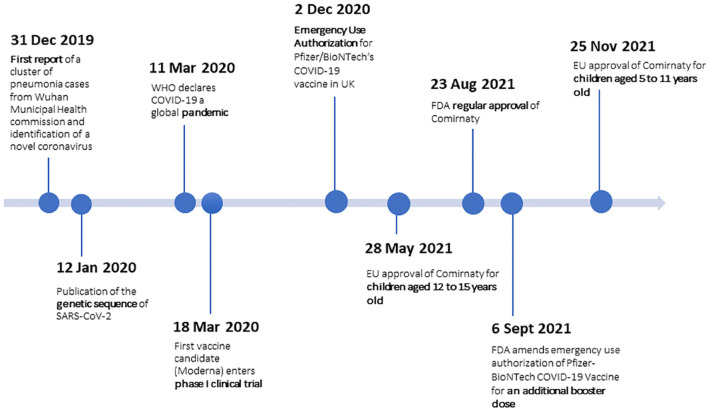
Pharmacovigilance (PV) came suddenly into the spotlight when several new vaccines, developed as a response to the COVID-19 pandemic, received emergency authorisation and were rolled out on a large scale in late 2020. The vaccines underwent stringent clinical trials and evaluation from regulatory authorities, but with the use of novel technology and an anticipated rapid and vast deployment of the vaccines, the importance of a well-functioning international post marketing safety surveillance system was stressed. International PV stakeholders were faced with several challenges due to the extent of the global vaccination campaign. The unprecedented volume of reports of suspected adverse events following immunization has led to the development and use of new tools. Furthermore, the collaboration between various PV stakeholders was encouraged and strengthened. PV rose to the challenges posed by the currently ongoing global COVID-19 vaccination campaign and successful adaptations were made in a short period of time. However, the pandemic has not ended yet, the vaccination campaign is far from being completed, and further challenges are anticipated. Advances made during the pandemic will be important to strengthen PV in future and ensure to advance medicines' safety together.
Pharmacovigilance (PV) is the umbrella term for all sciences and activities relating to the detection, assessment, understanding, and prevention of adverse effects relating to medicines or vaccines. PV came into the spotlight when several new vaccines were authorised and rolled out as a response to the COVID-19 pandemic.The anticipated extent of the global vaccine rollout stressed the importance of a well-functioning safety surveillance system and international collaborations between patients, health care workers, vaccine producers, regulatory authorities, and PV centres.The identification and communication of potential safety concerns showed that adaptations to PV processes made in a short period of time as well as international collaborations were successful. However, it is important to learn from experiences made so far and to make sure the positive advances are maintained in the future to advance medicines' safety together.
2020年末,为应对新冠疫情研发的几种新型疫苗获得紧急授权并大规模推广,药物警戒(PV)突然成为焦点。这些疫苗经过了严格的临床试验和监管机构的评估,但由于采用了新技术以及预计疫苗将迅速广泛部署,一个运转良好的国际上市后安全监测系统的重要性得到了强调。由于全球疫苗接种运动的规模,国际药物警戒利益相关者面临着多项挑战。免疫接种后疑似不良事件报告数量空前,促使人们开发和使用新工具。此外,还鼓励并加强了各药物警戒利益相关者之间的合作。药物警戒应对了当前全球新冠疫苗接种运动带来的挑战,并在短时间内成功做出了调整。然而,疫情尚未结束,疫苗接种运动远未完成,预计还会有更多挑战。疫情期间取得的进展对于未来加强药物警戒以及共同确保提高药品安全性至关重要。
药物警戒(PV)是与检测、评估、理解和预防与药品或疫苗相关的不良反应有关的所有科学和活动的统称。当几种新型疫苗因应对新冠疫情而获得授权并推出时,药物警戒成为焦点。全球疫苗推广的预期规模凸显了一个运转良好的安全监测系统以及患者、医护人员、疫苗生产商、监管机构和药物警戒中心之间国际合作的重要性。对潜在安全问题的识别和沟通表明,短期内对药物警戒流程所做的调整以及国际合作是成功的。然而,从目前的经验中吸取教训并确保未来保持积极进展以共同提高药品安全性很重要。