Department of Orthodontics, School of Stomatology, The Fourth Military Medical University, Xi'an, China.
State Key Laboratory of Military Stomatology & National Clinical Research Center for Oral Diseases & Shaanxi International Joint Research Center for Oral Diseases, Center for Tissue Engineering, School of Stomatology, The Fourth Military Medical University, Xi'an, China.
Cell Prolif. 2022 Dec;55(12):e13324. doi: 10.1111/cpr.13324. Epub 2022 Aug 26.
The treatment of bone defects by stem cells (MSCs) has achieved limited success over the recent few decades. The emergence of exosomes provides a new strategy for bone regeneration. Here, we aimed to investigate the effect and mechanisms of exosomes combined with dental pulp stem cells (DPSCs) on bone regeneration.
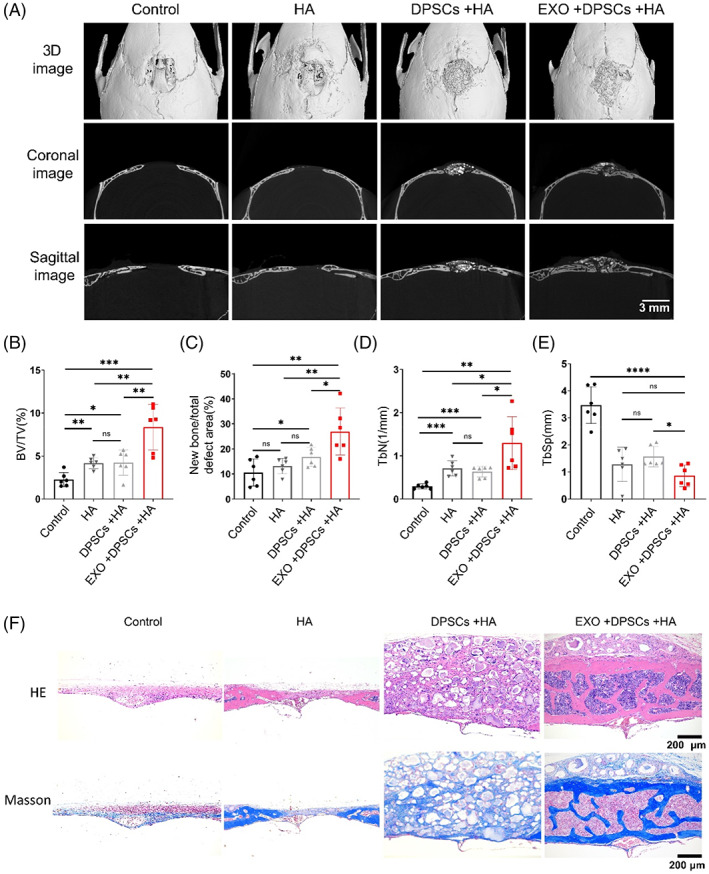
We isolated exosomes from stem cells from human exfoliated deciduous teeth (SHED) aggregates and evaluated the efficacy of exosomes combined with DPSCs in a cranial bone defect model. The potential mechanisms were further investigated.
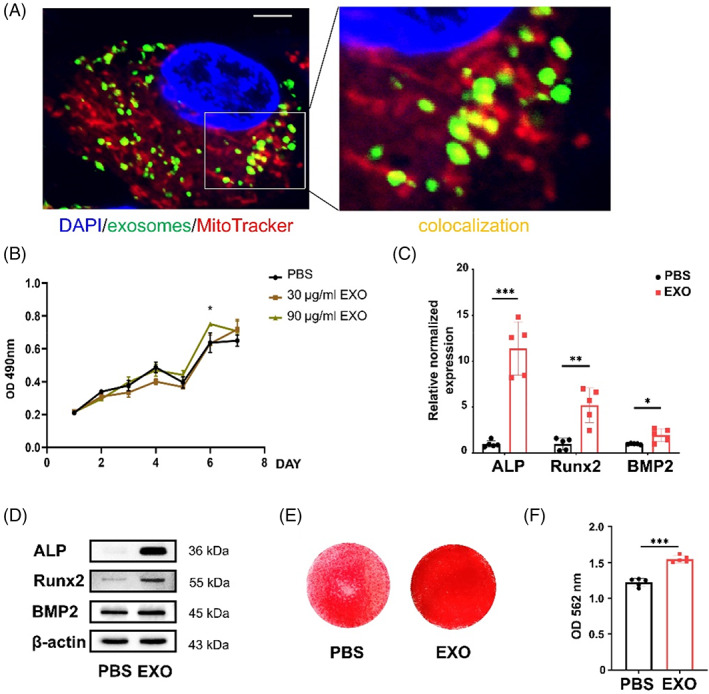
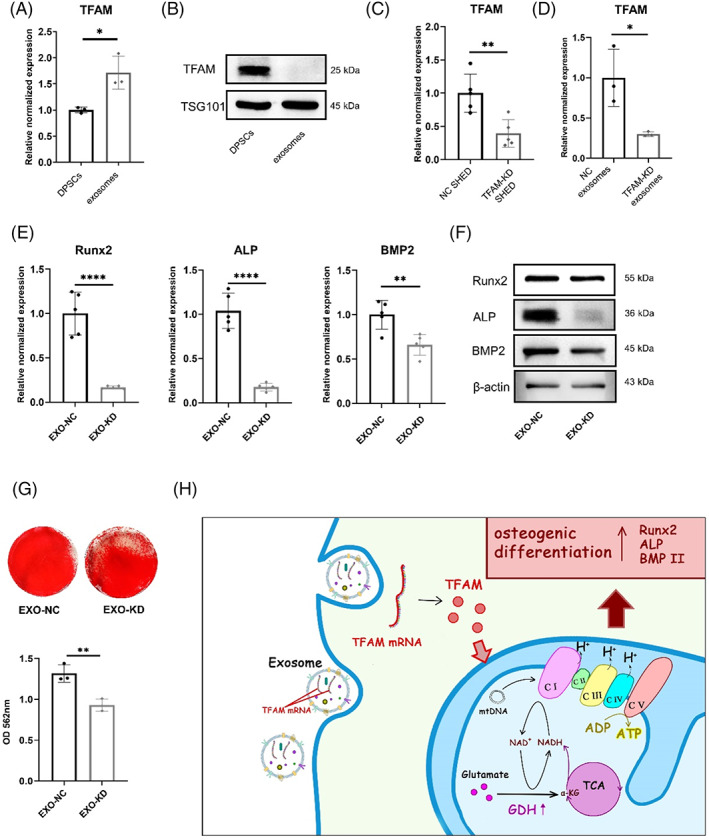
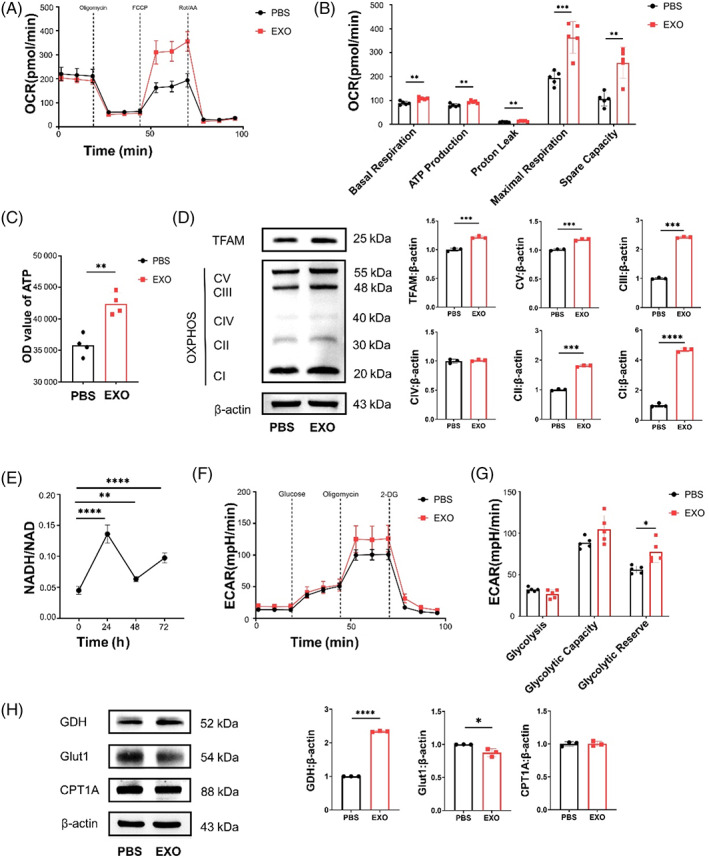
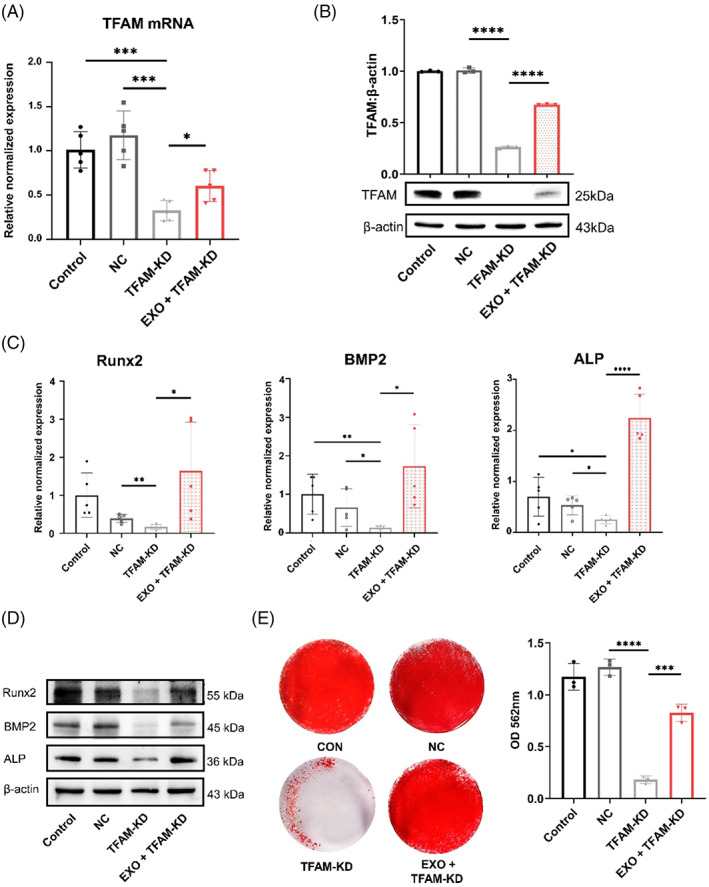
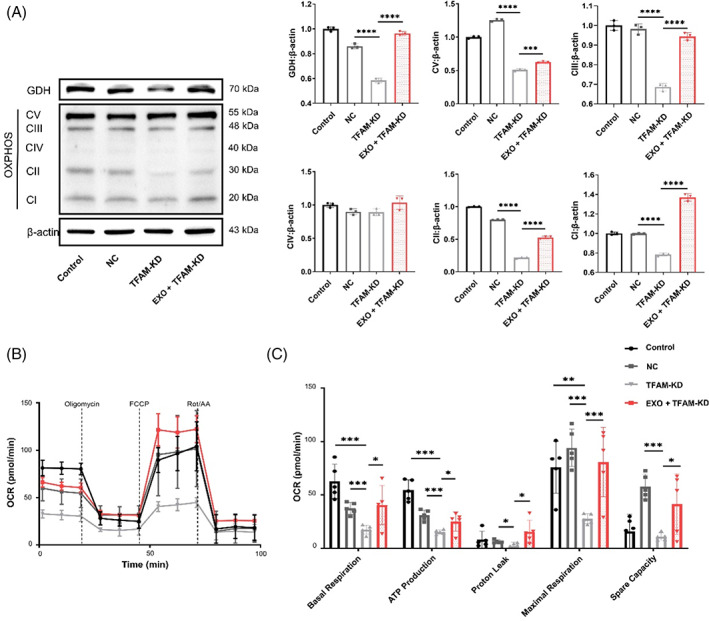
The effect of exosomes combined with DPSCs was remarkable on bone regeneration in vivo and exosomes promoted osteogenic differentiation of DPSCs in vitro. Mechanistically, exosomes increased the expression of mitochondrial transcription factor A (TFAM) in DPSCs by transferring TFAM mRNA. Moreover, highly expressed TFAM in DPSCs enhanced glutamate metabolism and oxidative phosphorylation (OXPHOS) activity.
Consequently, exosomes strengthened bone regeneration of DPSCs through the activation of mitochondrial aerobic metabolism. Our study provides a new potential strategy to improve DPSC-based bone regenerative treatment.
近几十年来,干细胞(MSCs)治疗骨缺损的效果有限。外泌体的出现为骨再生提供了新的策略。本研究旨在探讨外泌体联合牙髓干细胞(DPSCs)对骨再生的作用及其机制。
我们从人脱落乳牙(SHED)聚集物中分离出外泌体,并在颅骨缺损模型中评估了外泌体联合 DPSCs 的效果。进一步探讨了潜在的机制。
外泌体联合 DPSCs 对体内骨再生的效果显著,外泌体促进了 DPSCs 的成骨分化。在机制上,外泌体通过转移 TFAM mRNA 增加了 DPSCs 中线粒体转录因子 A(TFAM)的表达。此外,DPSCs 中高表达的 TFAM 增强了谷氨酸代谢和氧化磷酸化(OXPHOS)活性。
因此,外泌体通过激活线粒体有氧代谢增强了 DPSCs 的骨再生能力。本研究为改善基于 DPSCs 的骨再生治疗提供了一种新的潜在策略。