Musculoskeletal Rehabilitation Research Group, HAN University of Applied Sciences, PO Box 6960, 6503 GL, Nijmegen, Netherlands.
Research and Innovation Department, Sint Maartenskliniek, Nijmegen, Netherlands.
BMC Musculoskelet Disord. 2022 Sep 3;23(1):834. doi: 10.1186/s12891-022-05718-7.
While low back pain occurs in nearly everybody and is the leading cause of disability worldwide, we lack instruments to accurately predict persistence of acute low back pain. We aimed to develop and internally validate a machine learning model predicting non-recovery in acute low back pain and to compare this with current practice and 'traditional' prediction modeling.
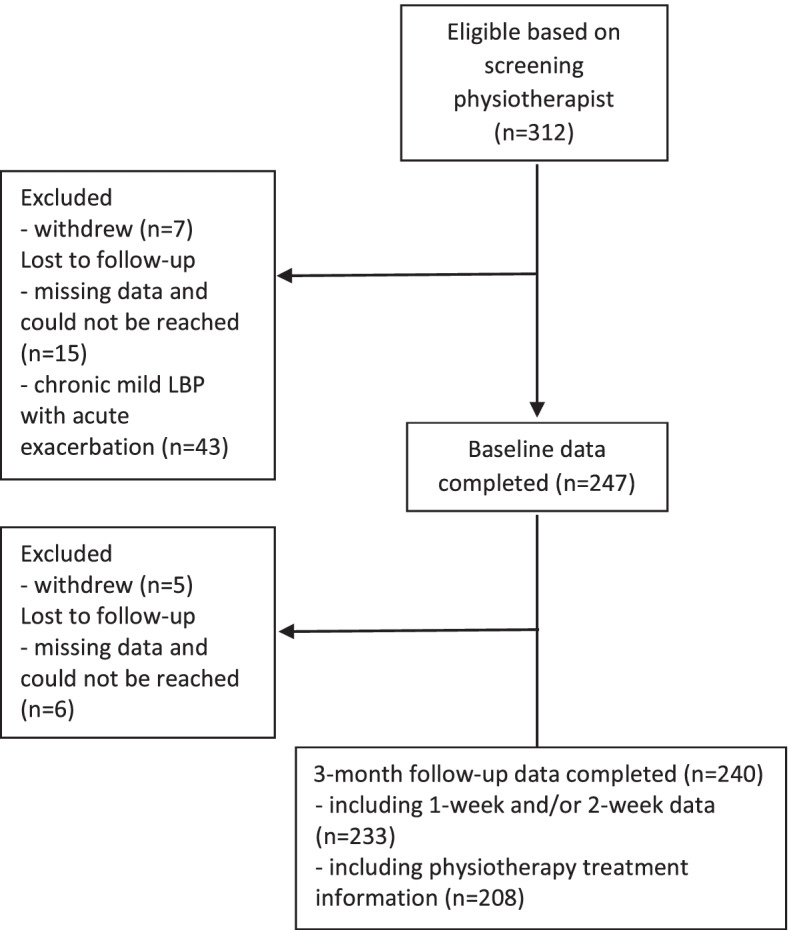
Prognostic cohort-study in primary care physiotherapy. Patients (n = 247) with acute low back pain (≤ one month) consulting physiotherapists were included. Candidate predictors were assessed by questionnaire at baseline and (to capture early recovery) after one and two weeks. Primary outcome was non-recovery after three months, defined as at least mild pain (Numeric Rating Scale > 2/10). Machine learning models to predict non-recovery were developed and internally validated, and compared with two current practices in physiotherapy (STarT Back tool and physiotherapists' expectation) and 'traditional' logistic regression analysis.
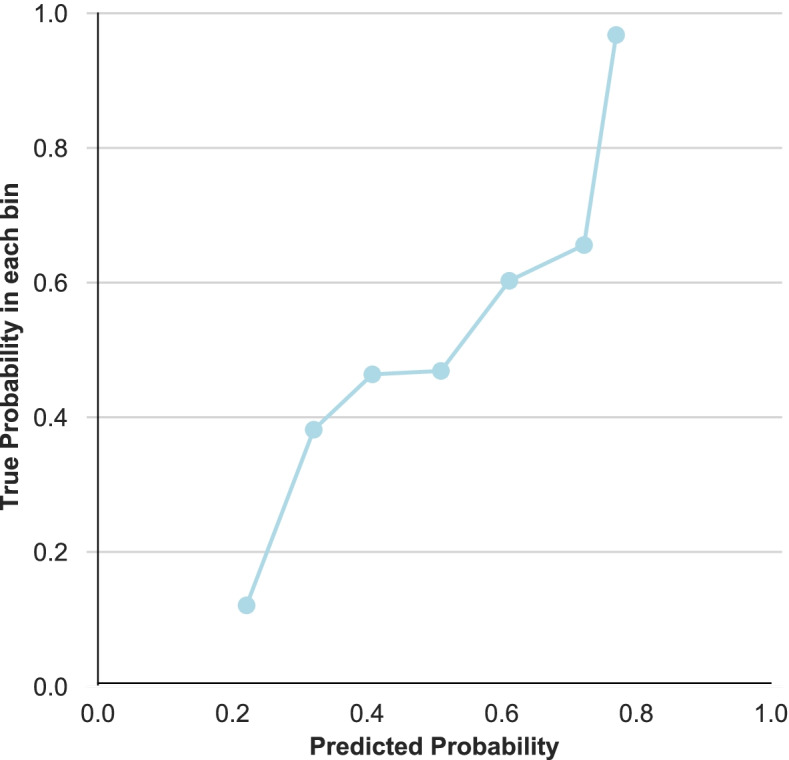
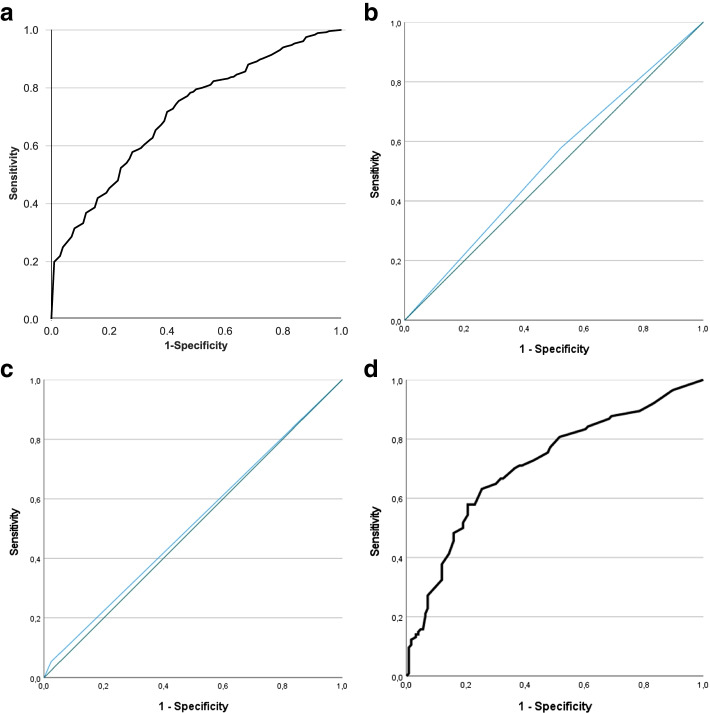
Forty-seven percent of the participants did not recover at three months. The best performing machine learning model showed acceptable predictive performance (area under the curve: 0.66). Although this was no better than a'traditional' logistic regression model, it outperformed current practice.
We developed two prognostic models containing partially different predictors, with acceptable performance for predicting (non-)recovery in patients with acute LBP, which was better than current practice. Our prognostic models have the potential of integration in a clinical decision support system to facilitate data-driven, personalized treatment of acute low back pain, but needs external validation first.
虽然几乎每个人都会经历下背痛,且其是全球范围内导致残疾的主要原因,但我们缺乏准确预测急性下背痛持续时间的工具。我们旨在开发和内部验证一种用于预测急性下背痛无法恢复的机器学习模型,并将其与当前实践和“传统”预测模型进行比较。
初级保健物理治疗中的预后队列研究。纳入了 247 名急性下背痛(≤1 个月)就诊于物理治疗师的患者。通过问卷在基线时以及 1 周和 2 周后(以捕捉早期恢复)评估候选预测因子。主要结局是 3 个月后无法恢复,定义为至少轻度疼痛(数字评分量表>2/10)。开发并内部验证了用于预测无法恢复的机器学习模型,并与物理治疗中的两种当前实践(STarT 背部工具和物理治疗师的预期)和“传统”逻辑回归分析进行了比较。
47%的参与者在 3 个月时未恢复。表现最佳的机器学习模型显示出可接受的预测性能(曲线下面积:0.66)。虽然这并不优于“传统”逻辑回归模型,但优于当前实践。
我们开发了两种包含部分不同预测因子的预后模型,用于预测急性 LBP 患者(非)恢复的性能尚可,优于当前实践。我们的预后模型有可能整合到临床决策支持系统中,以促进针对急性下背痛的基于数据的个性化治疗,但需要先进行外部验证。