Li Xiaobo, Venkatesh Ishwarya, Villanueva Veronica, Wei Huiting, Geraghty Terese, Rajagopalan Anugraha, Helmuth Richard W, Altintas Mehmet M, Faridi Hafeez M, Gupta Vineet
Department of Internal Medicine, Drug Discovery Center, Rush University Medical Center, Chicago, IL, United States.
Department of Pathology, The First Affiliated Hospital Sun Yat-sen University, Guangzhou, China.
Front Med (Lausanne). 2022 Aug 18;9:897188. doi: 10.3389/fmed.2022.897188. eCollection 2022.
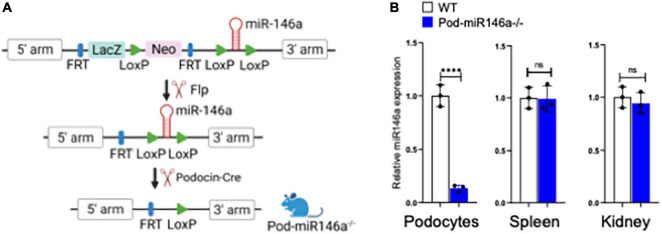
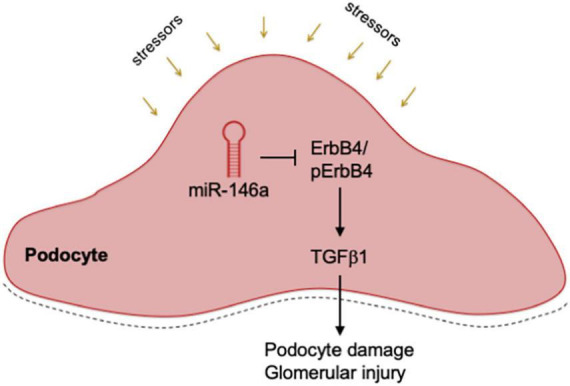
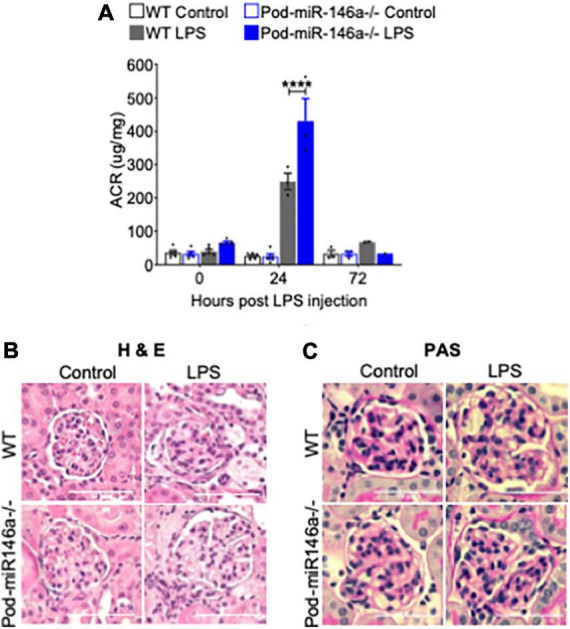
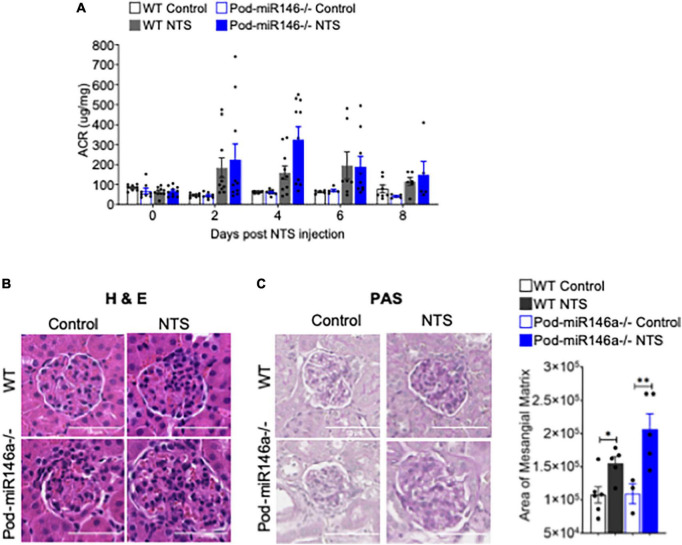
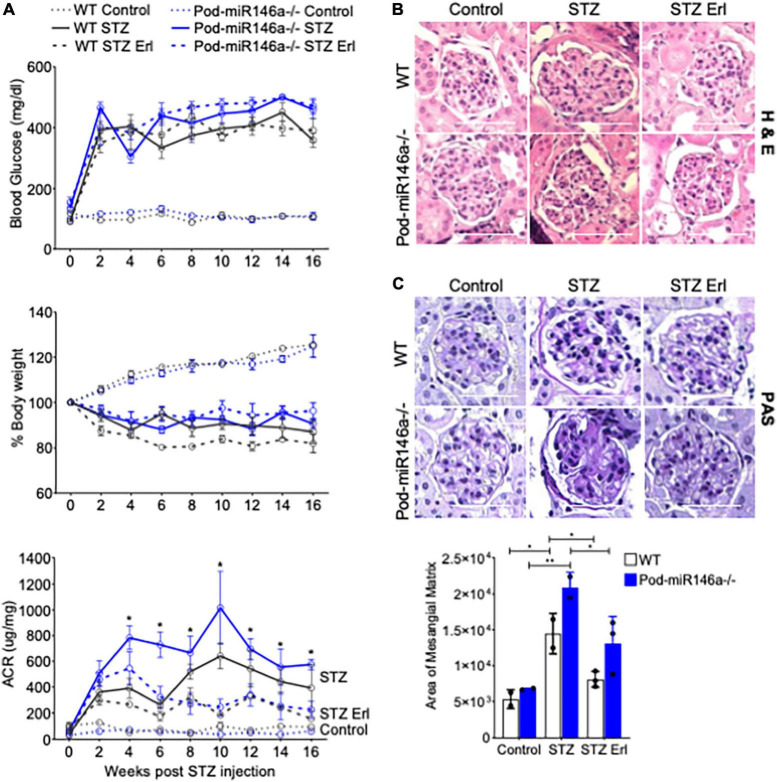
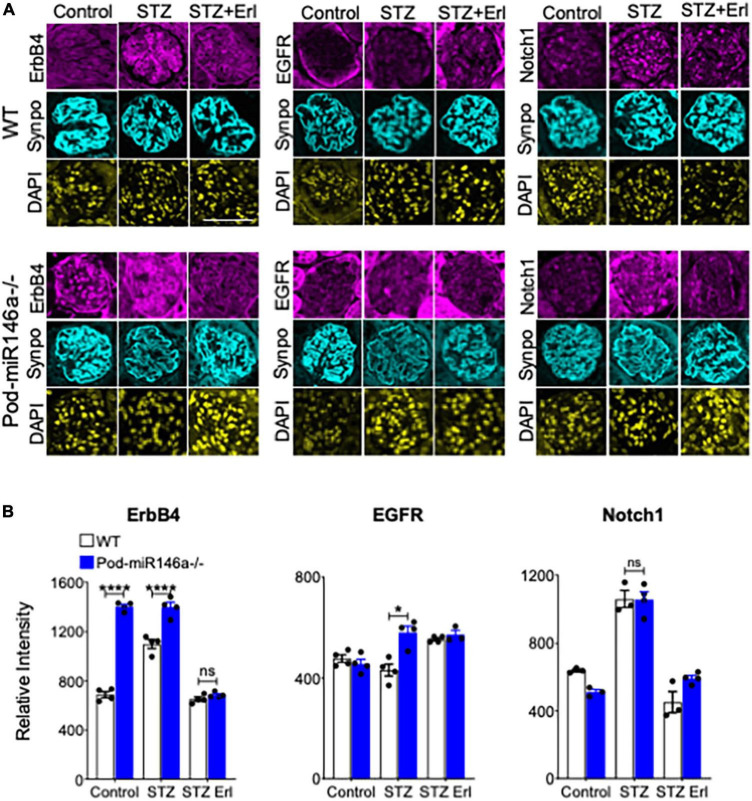
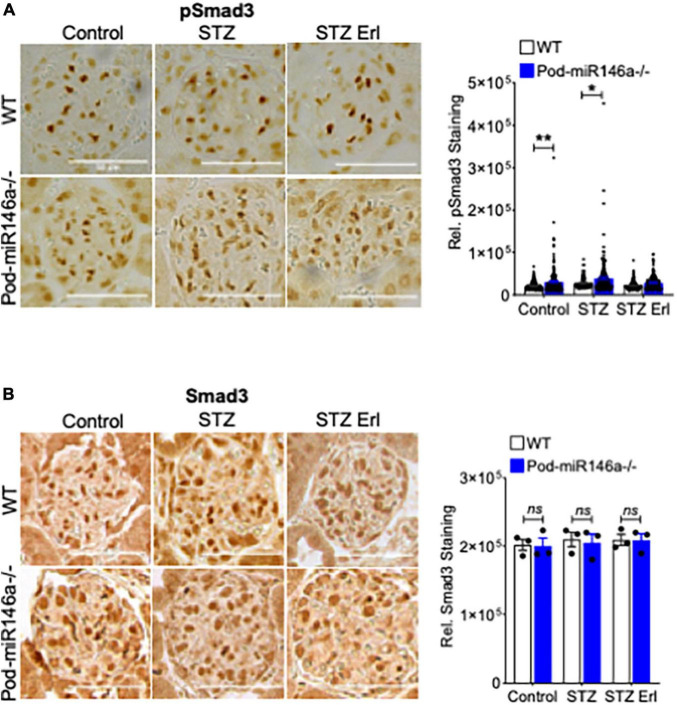
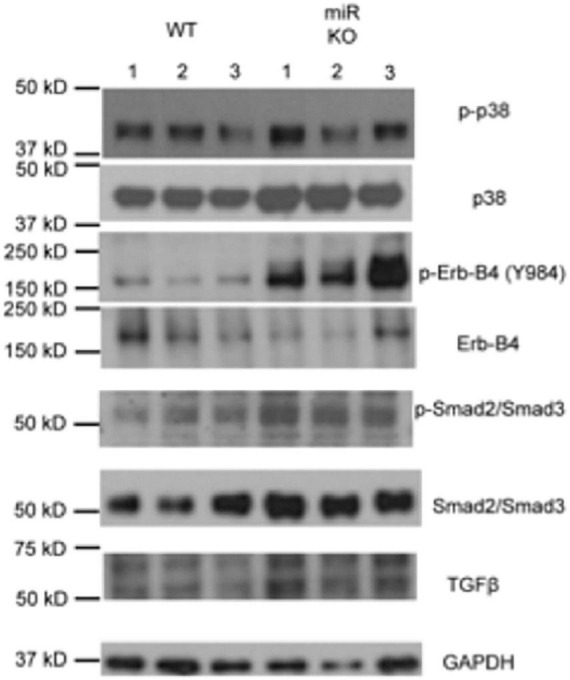
Diabetic glomerular injury is a major complication of diabetes mellitus and is the leading cause of end stage renal disease (ESRD). Healthy podocytes are essential for glomerular function and health. Injury or loss of these cells results in increased proteinuria and kidney dysfunction and is a common finding in various glomerulopathies. Thus, mechanistic understanding of pathways that protect podocytes from damage are essential for development of future therapeutics. MicroRNA-146a (miR-146a) is a negative regulator of inflammation and is highly expressed in myeloid cells and podocytes. We previously reported that miR-146a levels are significantly reduced in the glomeruli of patients with diabetic nephropathy (DN). Here we report generation of mice with selective deletion of miR-146a in podocytes and use of these mice in models of glomerular injury. Induction of glomerular injury in C57BL/6 wildtype mice (WT) and podocyte-specific miR-146a knockout (Pod-miR146a) animals administration of low-dose lipopolysaccharide (LPS) or nephrotoxic serum (NTS) resulted in increased proteinuria in the knockout mice, suggesting that podocyte-expressed miR-146a protects these cells, and thus glomeruli, from damage. Furthermore, induction of hyperglycemia using streptozotocin (STZ) also resulted in an accelerated development of glomerulopathy and a rapid increase in proteinuria in the knockout animals, as compared to the WT animals, further confirming the protective role of podocyte-expressed miR-146a. We also confirmed that the direct miR-146a target, ErbB4, was significantly upregulated in the diseased glomeruli and erlotinib, an ErbB4 and EGFR inhibitor, reducedits upregulation and the proteinuria in treated animals. Primary miR146 podocytes from these animals also showed a basally upregulated TGFβ-Smad3 signaling . Taken together, this study shows that podocyte-specific miR-146a is imperative for protecting podocytes from glomerular damage, modulation of ErbB4/EGFR, TGFβ, and linked downstream signaling.
糖尿病性肾小球损伤是糖尿病的主要并发症,也是终末期肾病(ESRD)的主要原因。健康的足细胞对肾小球功能和健康至关重要。这些细胞的损伤或丢失会导致蛋白尿增加和肾功能障碍,这在各种肾小球疾病中很常见。因此,从机制上理解保护足细胞免受损伤的途径对于未来治疗方法的开发至关重要。微小RNA-146a(miR-146a)是炎症的负调节因子,在髓样细胞和足细胞中高度表达。我们之前报道过,糖尿病肾病(DN)患者肾小球中的miR-146a水平显著降低。在此我们报告了足细胞中选择性缺失miR-146a的小鼠的产生,并将这些小鼠用于肾小球损伤模型。在C57BL/6野生型小鼠(WT)和足细胞特异性miR-146a基因敲除(Pod-miR146a)动物中诱导肾小球损伤——给予低剂量脂多糖(LPS)或肾毒性血清(NTS),结果基因敲除小鼠的蛋白尿增加,这表明足细胞表达的miR-146a可保护这些细胞,进而保护肾小球免受损伤。此外,与WT动物相比,使用链脲佐菌素(STZ)诱导高血糖也导致基因敲除动物肾小球病加速发展和蛋白尿迅速增加,进一步证实了足细胞表达的miR-146a的保护作用。我们还证实,miR-146a的直接靶点ErbB4在患病肾小球中显著上调,而ErbB4和EGFR抑制剂厄洛替尼可降低其上调水平,并减少治疗动物的蛋白尿。来自这些动物的原代miR146足细胞还显示出基础上调的TGFβ-Smad3信号传导。综上所述,本研究表明足细胞特异性miR-146a对于保护足细胞免受肾小球损伤、调节ErbB4/EGFR、TGFβ及相关下游信号传导至关重要。