Ke Xiumei, Ma Hongyan, Yang Junxuan, Qiu Min, Wang Jianwei, Han Li, Zhang Dingkun
College of Pharmacy, Chongqing Medical University, Chongqing, China.
State Key Laboratory Breeding Base of Systematic Research, Development and Utilization of Chinese Medicine Resources, School of Pharmacy, Chengdu University of Traditional Chinese Medicine, Chengdu, China.
Front Pharmacol. 2022 Aug 17;13:843821. doi: 10.3389/fphar.2022.843821. eCollection 2022.
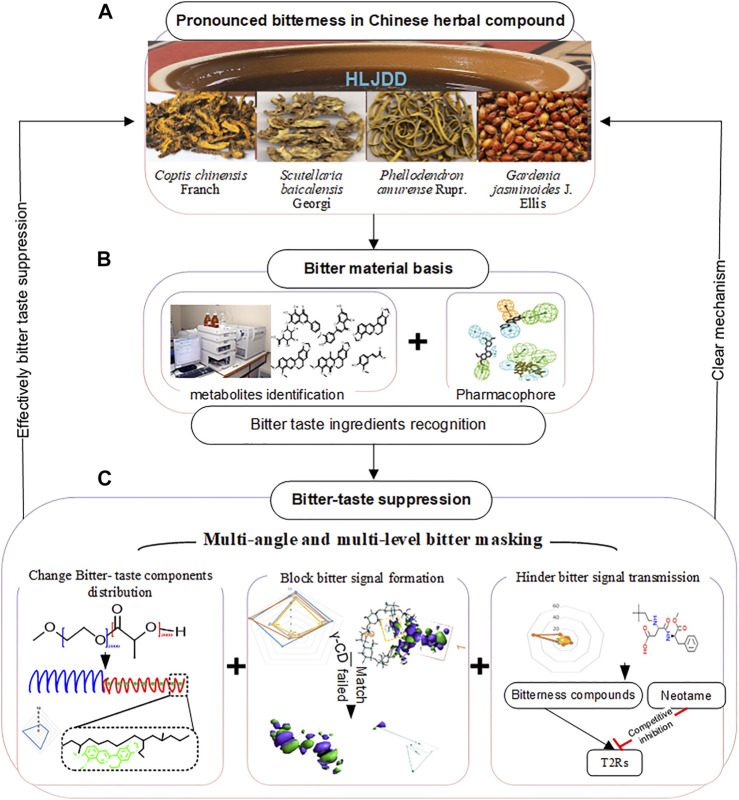
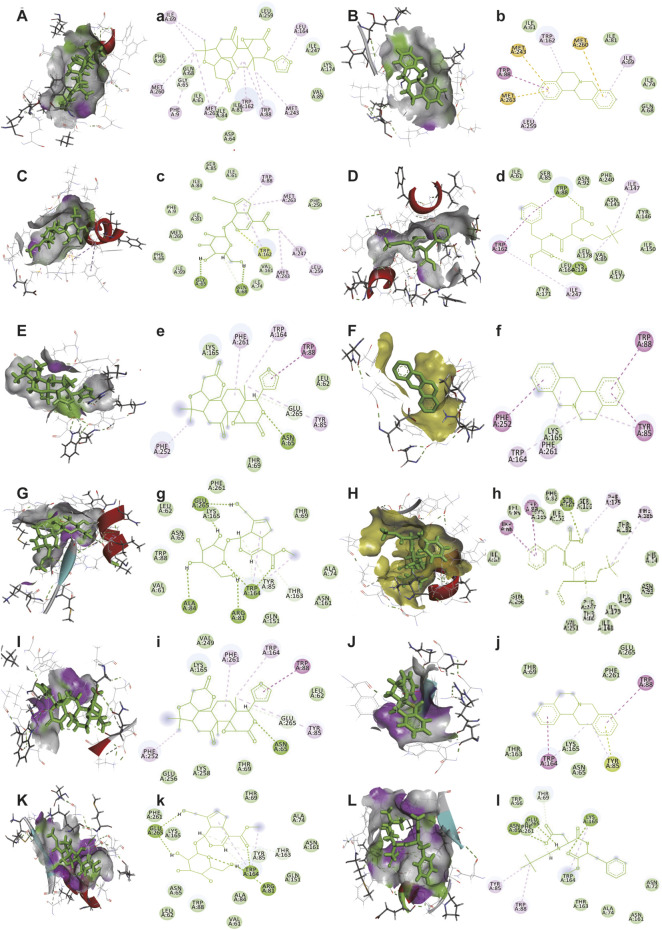
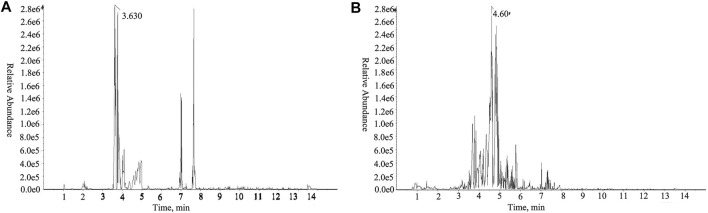
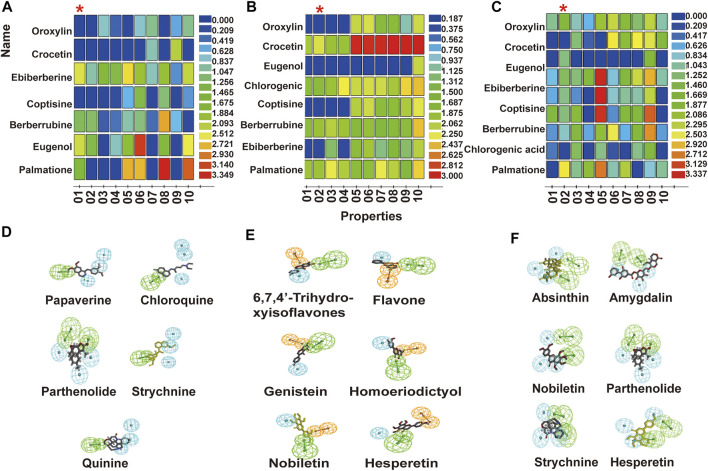
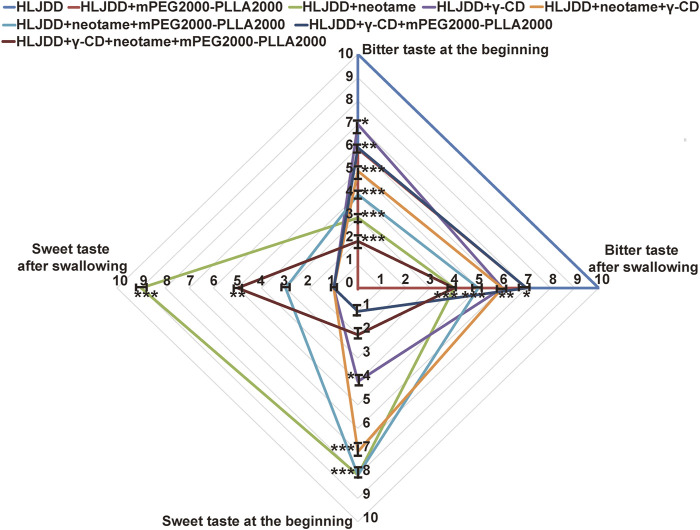
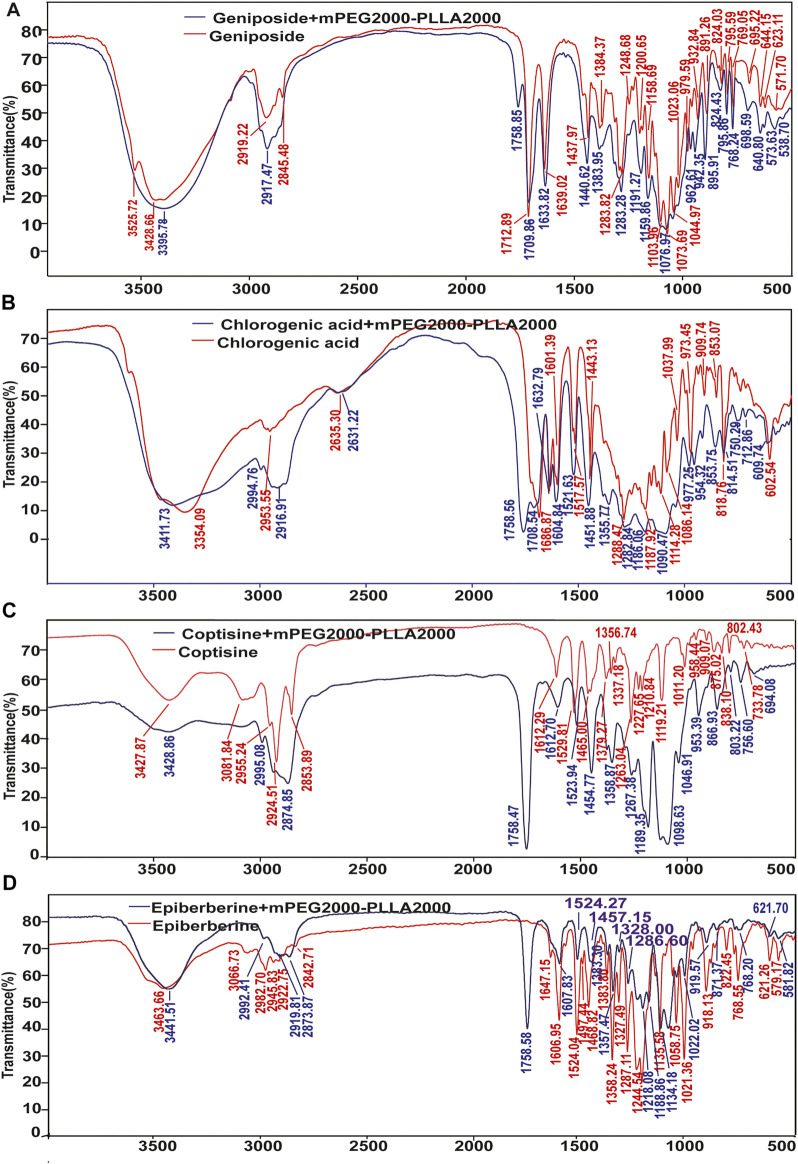
Suppressing the bitter taste of traditional Chinese medicine (TCM) largely has been a major clinical challenge due to complex and diverse metabolites and high dispersion of bitter metabolites in liquid preparations. In this work, we developed a novel strategy for recognizing bitter substances, hiding their bitter taste, and elucidated the mechanism of flavor masking in TCM. Huanglian Jie-Du Decoction (HLJDD) with an intense bitter taste was studied as a typical case. UHPLC-MS/MS was used to analyze the chemical components in HLJDD, whereas the bitter substances were identified by pharmacophores. Additionally, the screening results of the pharmacophores were further validated by using experimental assays. The mask formula of HLJDD was effectively screened under the condition of clear bitter substances. Subsequently, computational chemistry, molecular docking, and infrared characterization (IR) techniques were then used to explicate the mechanism of flavor masking. Consequently, neotame, γ-CD, and mPEG-PLLA significantly reduced the bitterness of HLJDD. Specifically, mPEG-PLLA increased the colloid proportion in the decoction system and minimized the distribution of bitter components in the real solution. Sweetener neotame suppressed the perception of bitter taste and inhibited bitter taste receptor activation to eventually reduce the bitter taste. The γ-CD included in the decoction bound the hydrophobic groups of the bitter metabolites in real solution and "packed" all or part of the bitter metabolites into the "cavity". We established a novel approach for screening bitter substances in TCM by integrating virtual screening and experimental assays. Based on this strategy, the bitter taste masking of TCM was performed from three different aspects, namely, changing the drug phase state, component distribution, and interfering with bitter taste signal transduction. Collectively, the methods achieved a significant effect on bitter taste suppression and taste masking. Our findings will provide a novel strategy for masking the taste of TCM liquid preparation/decoction, which will in return help in improving the clinical efficacy of TCM.
由于中药(TCM)中复杂多样的代谢产物以及苦味代谢产物在液体制剂中的高度分散性,抑制中药的苦味一直是一项重大的临床挑战。在这项工作中,我们开发了一种识别苦味物质、掩盖其苦味并阐明中药中掩味机制的新策略。以苦味强烈的黄连解毒汤(HLJDD)为例进行研究。采用超高效液相色谱-串联质谱(UHPLC-MS/MS)分析HLJDD中的化学成分,而苦味物质则通过药效团进行鉴定。此外,药效团的筛选结果通过实验分析进一步验证。在明确苦味物质的条件下,有效地筛选出了HLJDD的掩味配方。随后,利用计算化学、分子对接和红外表征(IR)技术来阐明掩味机制。结果表明,纽甜、γ-环糊精(γ-CD)和甲氧基聚乙二醇-聚左旋乳酸(mPEG-PLLA)显著降低了HLJDD的苦味。具体而言,mPEG-PLLA增加了汤剂体系中的胶体比例,并使苦味成分在实际溶液中的分布最小化。甜味剂纽甜抑制了苦味的感知,并抑制苦味受体的激活,最终降低了苦味。汤剂中包含的γ-CD在实际溶液中与苦味代谢产物的疏水基团结合,并将全部或部分苦味代谢产物“包裹”进“空腔”。我们通过整合虚拟筛选和实验分析,建立了一种筛选中药中苦味物质的新方法。基于该策略,从中药苦味掩盖的三个不同方面进行了研究,即改变药物相态、成分分布以及干扰苦味信号转导。总体而言,这些方法在苦味抑制和掩味方面取得了显著效果。我们的研究结果将为掩盖中药液体制剂/汤剂的味道提供一种新策略,这反过来将有助于提高中药的临床疗效。