Department of Hepatobiliary Surgery, The First People's Hospital of Kunming City & Ganmei Affiliated Hospital of Kunming Medical University, No. 504 Youth Road, Kunming 650000, China.
Department of PET/CT Center, Yunnan Cancer Hospital, The Third Affiliated Hospital of Kunming Medical University, Yunnan, China.
J Immunol Res. 2022 Aug 25;2022:2527210. doi: 10.1155/2022/2527210. eCollection 2022.
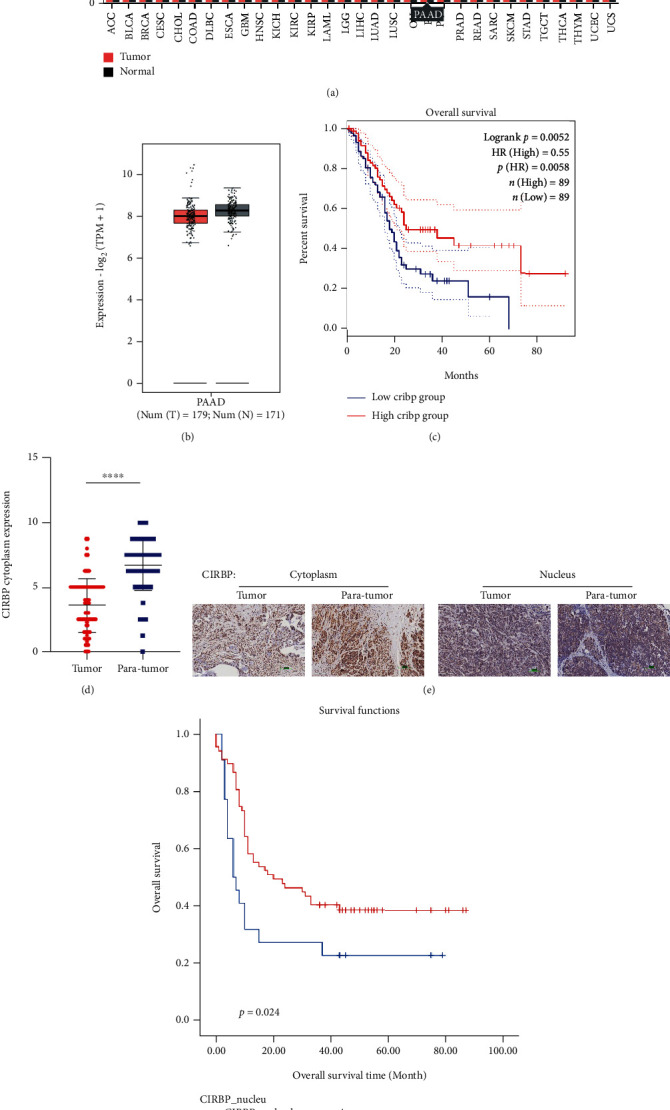
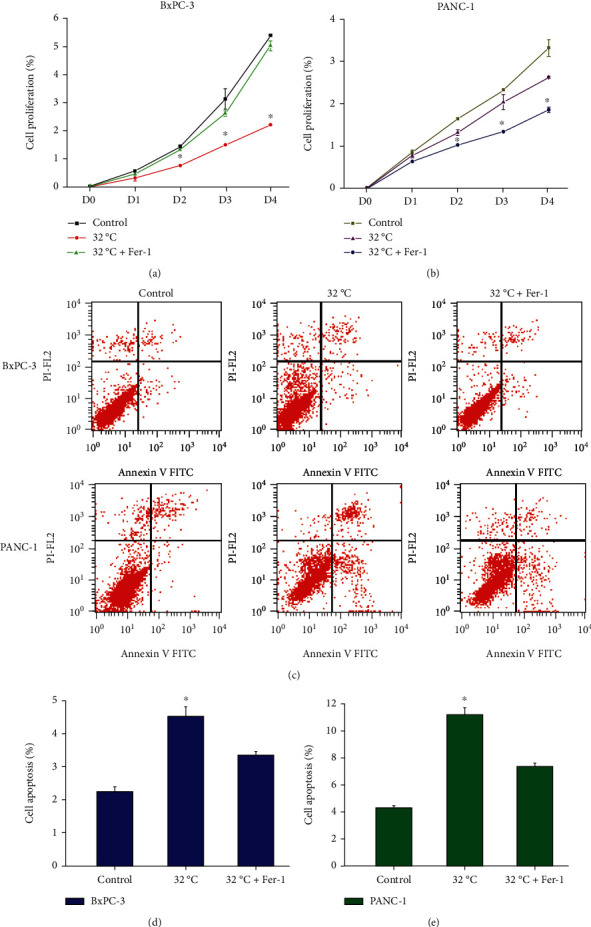
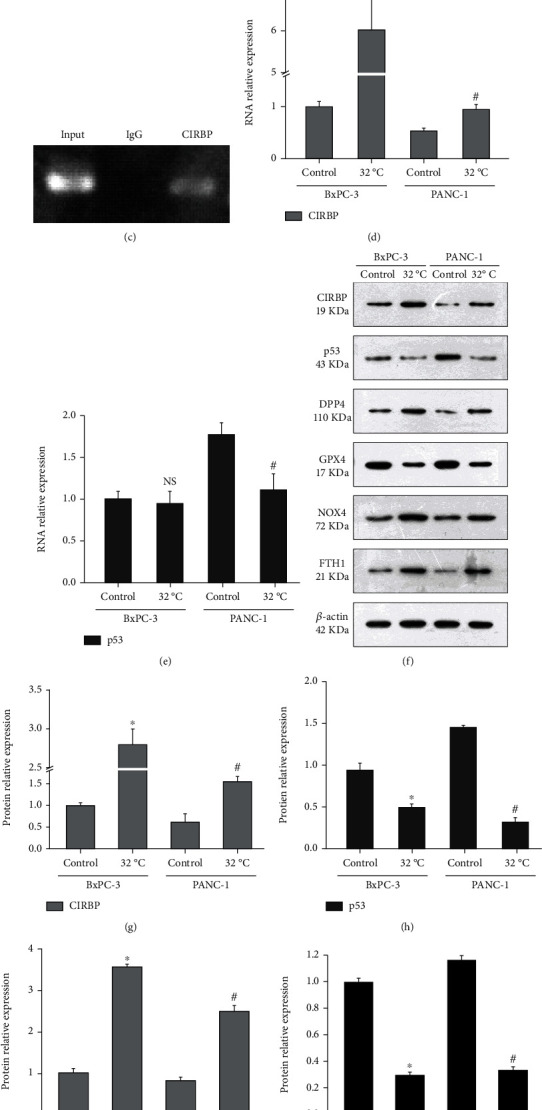
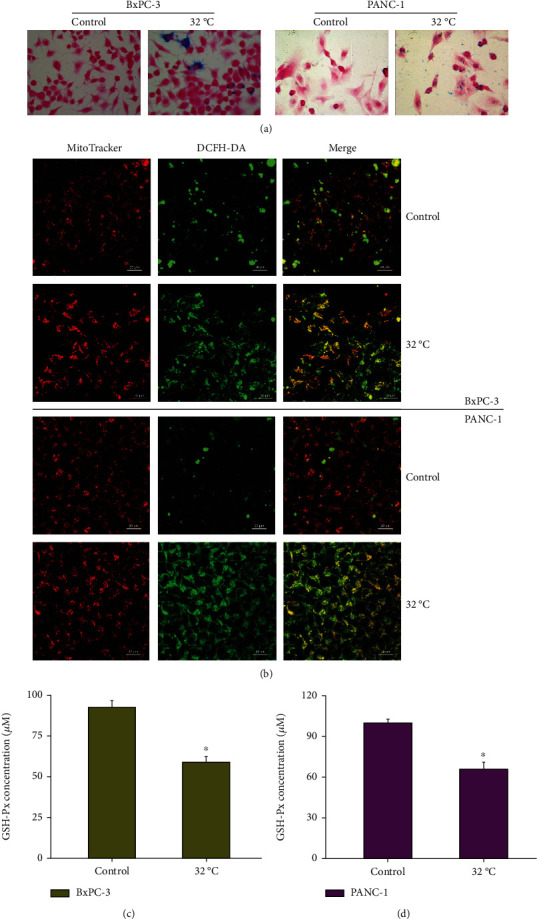
Pancreatic cancer is one of the most malignant gastrointestinal tumors, and it is of great significance to explore the molecular mechanism of its progression and find new biological therapeutic targets. CIRBP is a cold-induced protein that plays a key role in many physiological and pathological processes, but its role in pancreatic cancer is still unclear. The expression of CIRBP in pancreatic cancer tissues was slightly lower than that in normal tissues, and the high expression of CIRBP was beneficial to survival. At the same time, immunohistochemical detection showed that the expression level of CIRBP in the cytoplasm of cancer tissues was significantly lower than that of adjacent tissues; survival curve analysis showed that pancreatic cancer patients with high nuclear CIRBP expression had a longer overall survival period. RIP results showed that CIRBP antibody significantly enriched p53 RNA, indicating that it could directly bind to p53. Cold treatment of pancreatic cancer cells significantly induced the expression of CIRBP, DPP4, NOX1, and FTH1 and inhibited the expression of p53 and GPX4. Cold induction enhanced the accumulation of Fe in cells, promoted the generation of ROS, and inhibited the expression of GSH-Px. Therefore, cold induction promotes the process of ferroptosis by inducing the expression of CIRBP and then regulating key factors such as p53 and GPX4. In addition, cold induction significantly inhibited the proliferation of pancreatic cancer cells and induced cell apoptosis, but after the addition of ferroptosis inhibitor, cell proliferation and apoptosis did not change significantly. Therefore, CIRBP acts as a tumor suppressor gene in pancreatic cancer and induces ferroptosis through the p53/GPX4 pathway to inhibit cell growth, which may be an important target for the diagnosis and treatment of pancreatic cancer.
胰腺癌是最恶性的胃肠道肿瘤之一,探索其进展的分子机制并寻找新的生物治疗靶点具有重要意义。CIRBP 是一种冷诱导蛋白,在许多生理和病理过程中发挥着关键作用,但它在胰腺癌中的作用尚不清楚。CIRBP 在胰腺癌组织中的表达略低于正常组织,CIRBP 高表达有利于生存。同时,免疫组织化学检测显示,CIRBP 在癌组织细胞质中的表达水平明显低于相邻组织;生存曲线分析表明,核 CIRBP 高表达的胰腺癌患者总生存期更长。RIP 结果表明,CIRBP 抗体显著富集了 p53 RNA,表明它可以直接与 p53 结合。冷处理胰腺癌细胞显著诱导 CIRBP、DPP4、NOX1 和 FTH1 的表达,抑制 p53 和 GPX4 的表达。冷诱导增强了细胞内 Fe 的积累,促进了 ROS 的产生,并抑制了 GSH-Px 的表达。因此,冷诱导通过诱导 CIRBP 的表达,然后调节 p53 和 GPX4 等关键因子,促进铁死亡过程。此外,冷诱导显著抑制胰腺癌细胞的增殖并诱导细胞凋亡,但加入铁死亡抑制剂后,细胞增殖和凋亡没有明显变化。因此,CIRBP 在胰腺癌中作为肿瘤抑制基因发挥作用,并通过 p53/GPX4 通路诱导铁死亡来抑制细胞生长,这可能是胰腺癌诊断和治疗的重要靶点。