Shinde Sangita Dattatray, Satpute Dinesh Parshuram, Behera Santosh Kumar, Kumar Dinesh
Department of Medicinal Chemistry, National Institute of Pharmaceutical Education and Research (NIPER) - Ahmadabad, Palaj, Gandhinagar 382355, Gujarat, India.
Department of Biotechnology, National Institute of Pharmaceutical Education and Research (NIPER) - Ahmadabad, Palaj, Gandhinagar 382355, Gujarat, India.
ACS Omega. 2022 Aug 17;7(34):30447-30461. doi: 10.1021/acsomega.2c03851. eCollection 2022 Aug 30.
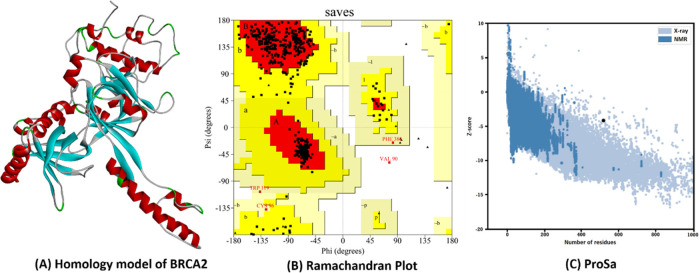
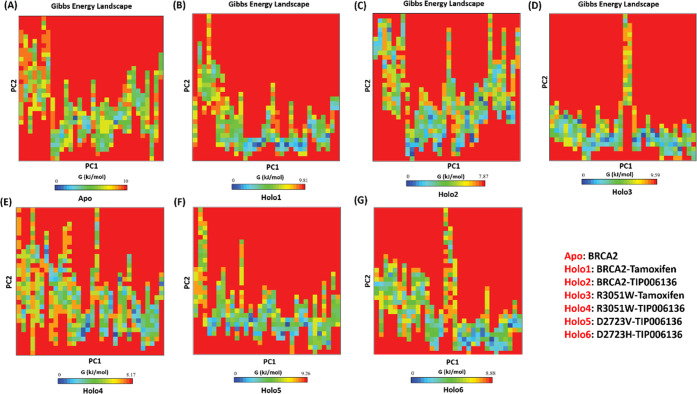
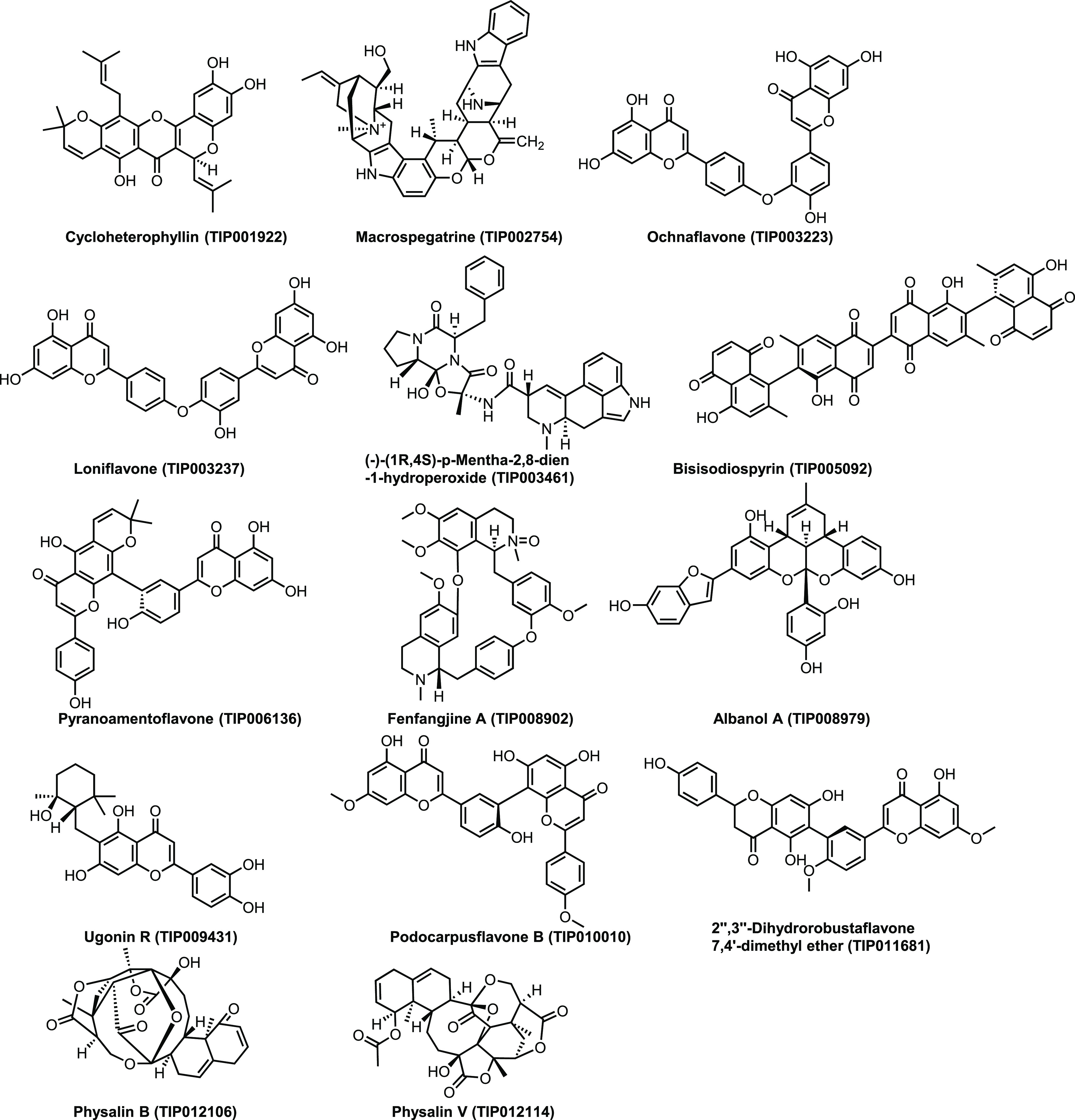
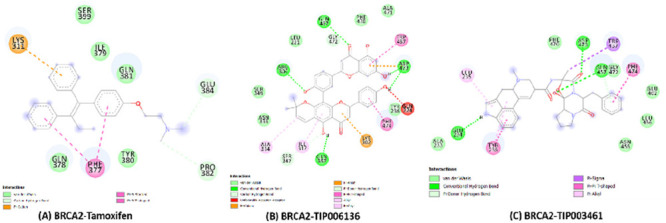
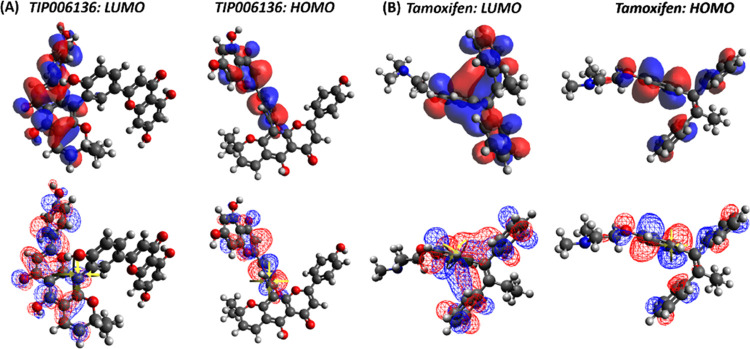
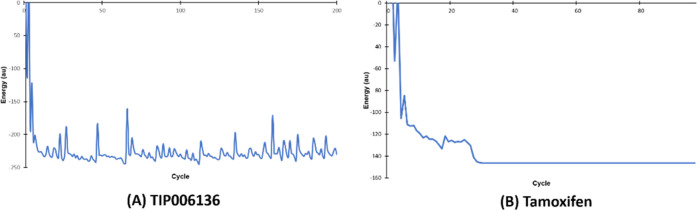
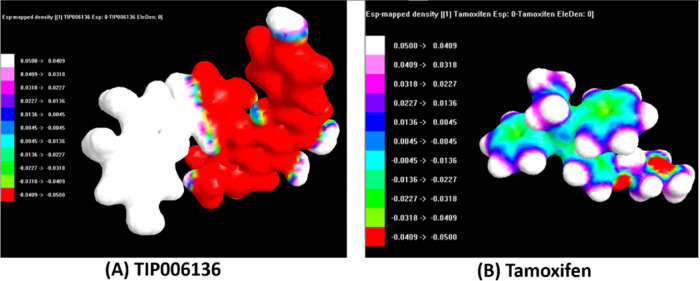
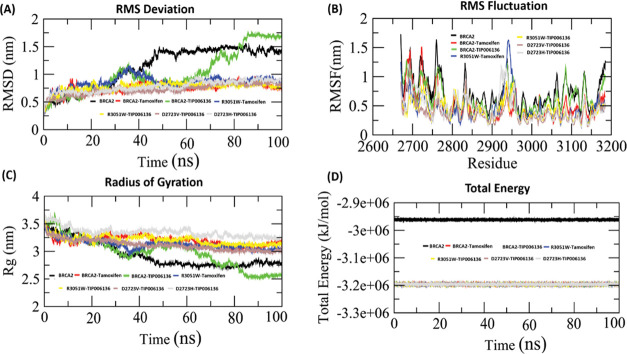
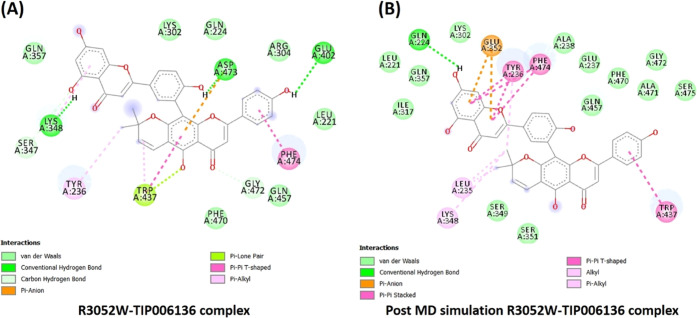
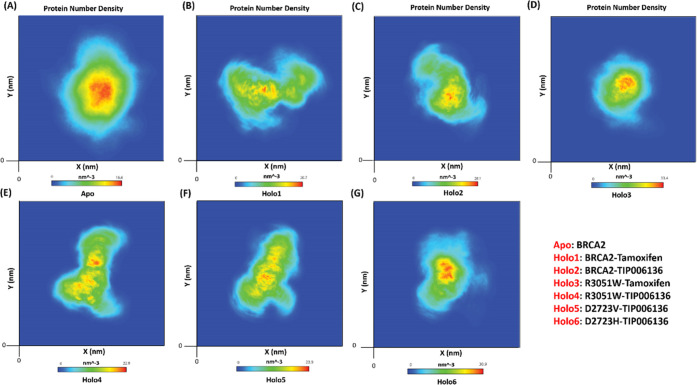
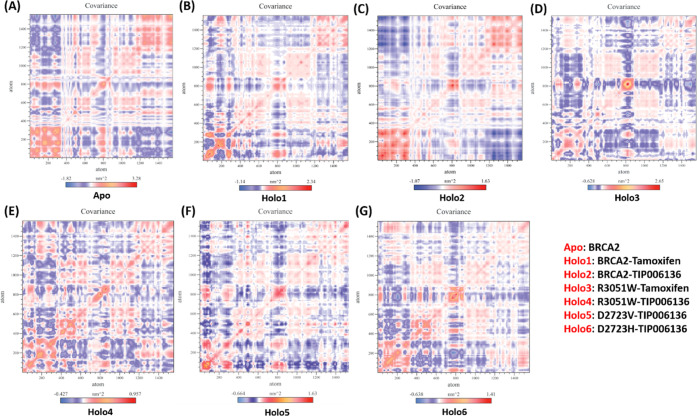
Male breast cancer (MBC) is a relatively rare disease, but emerging data recommend the development of novel therapeutics considering its alarming threats. Compared to female breast cancer (FBC), MBC is reportedly associated with inferior outcomes (poor survival) owing to their late diagnosis and lack of adequate treatment. Treatment typically correlates with FBC, involving surgical removal of the breast tissue along with chemo/hormonal/radiation therapy, the tamoxifen being a standard adjuvant. Considering the distinct immunophenotypic (implying different pathogenesis and progression) differences from FBC, the identification of diagnostics, prognostics, and therapeutics for MBC is highly desirable. In this context, we have analyzed the most deleterious nsSNPs of , a human tumor suppressor gene constituting the potential biomarker for tumors including MBC, to predict the structural changes associated with the mutants hampering the normal protein-protein and protein-ligand interactions, resulting in MBC progression. Among 27 nsSNPs confined to 21 rsIDs pertaining to MBC, the 19 nsSNPs constituting 14 rsIDs have been predicted as highly deleterious. We believe that these nsSNPs could serve as potential biomarkers for diagnostic and prognostic purposes and could be the pivotal target for MBC drug discovery. Subsequently, the study highlights the exploration of the key nsSNPs (of associated with the MBC) and its applications toward the identification of therapeutic hit TIP006136 following the homology modeling, virtual screening of 5284 phytochemicals retrieved from the TIPdb (a database of phytochemicals from indigenous plants in Taiwan) database, molecular docking (against native and mutant ), dynamic simulations (against native and mutant ), density functional theory (DFT), and molecular electrostatic potential. To the best of our knowledge, this is the first report to use diverse computational modules to investigate the important nsSNPs of related to MBC, implying that TIP006136 could be a potential hit and must be studied further (in vitro and in vivo) to establish its anticancer property and efficacy against MBC.
男性乳腺癌(MBC)是一种相对罕见的疾病,但新出现的数据表明,鉴于其惊人的威胁,需要开发新的治疗方法。据报道,与女性乳腺癌(FBC)相比,MBC由于诊断较晚且缺乏充分治疗,其预后较差(生存率低)。治疗通常与FBC相关,包括手术切除乳腺组织以及化疗/激素/放射治疗,他莫昔芬是标准辅助药物。考虑到与FBC存在明显的免疫表型差异(意味着发病机制和进展不同),非常需要确定MBC的诊断、预后和治疗方法。在此背景下,我们分析了一种人类肿瘤抑制基因的最有害的非同义单核苷酸多态性(nsSNPs),该基因构成包括MBC在内的肿瘤的潜在生物标志物,以预测与突变体相关的结构变化,这些突变体阻碍了正常的蛋白质-蛋白质和蛋白质-配体相互作用,导致MBC进展。在与MBC相关的21个rsID所包含的27个nsSNPs中,构成14个rsID的19个nsSNPs被预测为高度有害。我们认为,这些nsSNPs可作为诊断和预后的潜在生物标志物,并且可能是MBC药物发现的关键靶点。随后,该研究强调了对与MBC相关的关键nsSNPs(基因的)的探索及其在同源建模、从TIPdb(台湾本土植物的植物化学物质数据库)数据库检索的5284种植物化学物质的虚拟筛选、分子对接(针对野生型和突变体)、动力学模拟(针对野生型和突变体)、密度泛函理论(DFT)和分子静电势之后鉴定治疗性命中物TIP006136方面的应用。据我们所知,这是第一份使用多种计算模块研究与MBC相关的重要nsSNPs的报告,这意味着TIP006136可能是一个潜在的命中物,必须进一步(体外和体内)研究以确定其抗癌特性和对MBC的疗效。