Liver Unit and Digestive Department H.G.U, Gregorio Marañón, Madrid, Spain.
CIBEREHD, Instituto de Salud Carlos III, Madrid, Spain.
United European Gastroenterol J. 2022 Oct;10(8):805-816. doi: 10.1002/ueg2.12301. Epub 2022 Sep 6.
Cirrhosis is characterized by the complex interplay among biological, histological and haemodynamic events. Liver and spleen remodelling occur throughout its natural history, but the prognostic role of these volumetric changes is unclear. We evaluated the relationship between volumetric changes assessed by multidetector computerised tomography (MDCT) and landmark features of cirrhosis.
We included consecutive cirrhotic patients who underwent liver transplantation (LT) or hepatocellular carcinoma (HCC) resection in whom dynamic MDCT was available. Different volumetric indices were calculated. Fibrosis was evaluated by the collagen proportional area and Laennec sub-stages. Correlation and logistic regression analysis were performed to explore associations of volumetric indexes and fibrosis with key prognostic features across the clinical stages of cirrhosis.
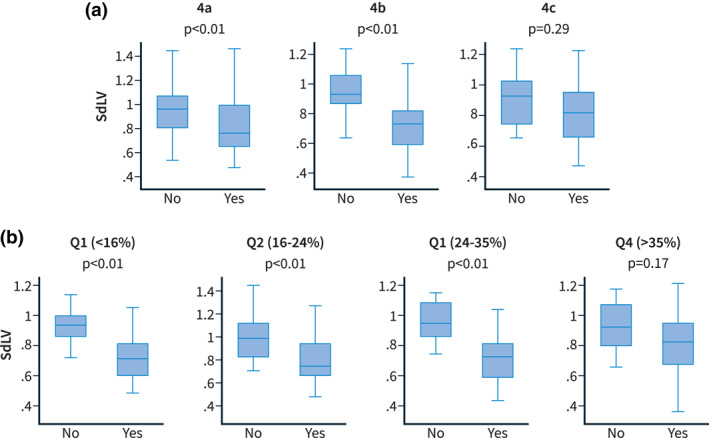
185 patients were included (146 LT; 39 HCC); the predominant aetiology was viral hepatitis (51.35%); 65.9% had decompensated disease and 85.08% clinically significant portal hypertension (CSPH). The standardised liver volume and liver-spleen volume ratio negatively correlated with Model for End-stage Liver Disease (MELD), albumin and hepatic venous pressure gradient (HVPG) and were significantly lower in decompensated patients. The liver segmental volume ratio (segments I-III/segments IV-VIII) best captured the characteristic features of the compensated phase, showing a positive correlation with HVPG and a good discrimination between patients with and without CSPH and varices. Volumetric changes and fibrosis severity were independently associated with key prognostic events, with no association between these two parameters.
Liver and spleen volumetric indices evolve differently along the natural history of cirrhosis and are associated with key prognostic factors in each phase, regardless of fibrosis severity and portal hypertension.
肝硬化的特征在于生物、组织学和血液动力学事件之间的复杂相互作用。肝和脾重塑贯穿其自然病史,但这些容积变化的预后作用尚不清楚。我们评估了多排计算机断层扫描(MDCT)评估的容积变化与肝硬化标志性特征之间的关系。
我们纳入了连续的接受肝移植(LT)或肝细胞癌(HCC)切除术的肝硬化患者,这些患者的肝脏都进行了 MDCT 动态扫描。计算了不同的容积指数。纤维化通过胶原比例面积和 Laennec 亚期进行评估。进行相关性和逻辑回归分析,以探索容积指数和纤维化与肝硬化临床各阶段关键预后特征的关联。
共纳入 185 例患者(146 例 LT;39 例 HCC);主要病因是病毒性肝炎(51.35%);65.9%的患者存在肝功能失代偿,85.08%的患者存在临床显著的门静脉高压(CSPH)。标准肝体积和肝脾体积比与终末期肝病模型(MELD)、白蛋白和肝静脉压力梯度(HVPG)呈负相关,在肝功能失代偿患者中显著降低。肝段容积比(I-III 段/IV-VIII 段)最好地反映了代偿期的特征,与 HVPG 呈正相关,能很好地区分有和无 CSPH 及静脉曲张的患者。容积变化和纤维化严重程度与关键预后事件独立相关,而这两个参数之间没有关联。
肝和脾容积指数在肝硬化的自然病史中演变不同,与每个阶段的关键预后因素相关,而与纤维化严重程度和门静脉高压无关。