Cell Cycle, Stem Cell Fate and Cancer Laboratory, Institute for Research Marqués de Valdecilla (IDIVAL), 39011, Santander, Spain.
Instituto de Investigaciones Biomédicas Alberto Sols, IIBM, CSIC-UAM, Madrid, Spain.
Orphanet J Rare Dis. 2022 Sep 6;17(1):345. doi: 10.1186/s13023-022-02499-z.
Novel developmental mutations associated with disease are a continuous challenge in medicine. Clinical consequences caused by these mutations include neuron and cognitive alterations that can lead to epilepsy or autism spectrum disorders. Often, it is difficult to identify the physiological defects and the appropriate treatments.
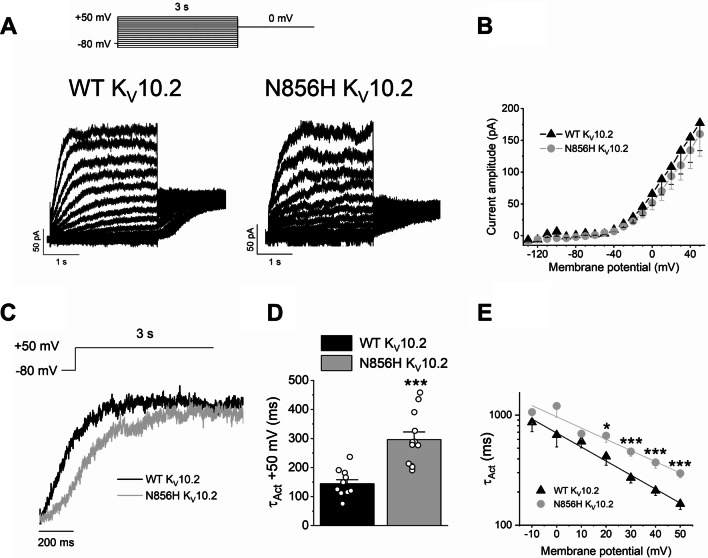
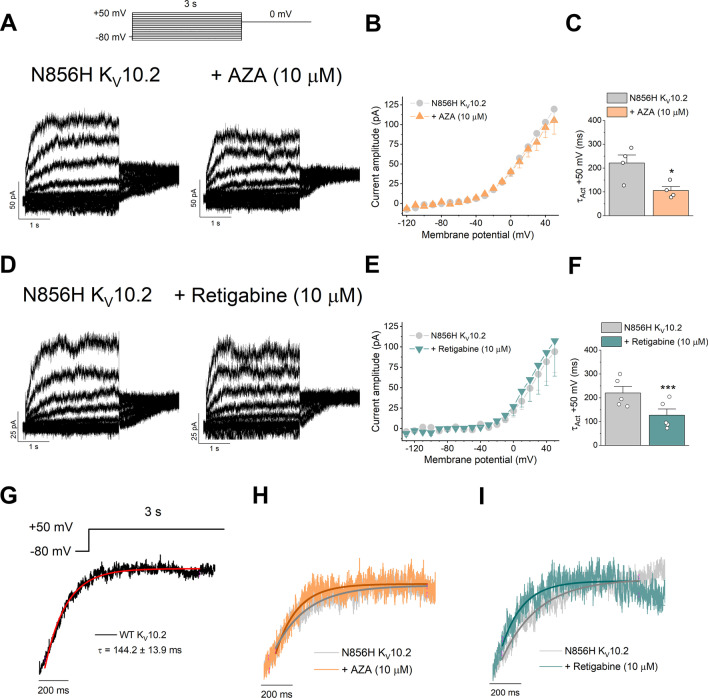
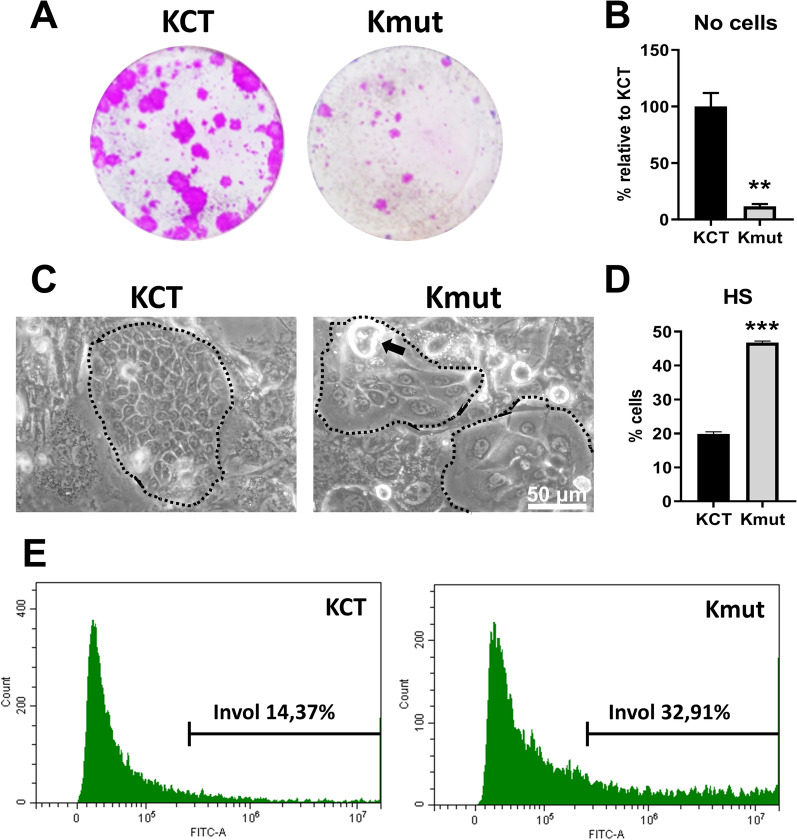
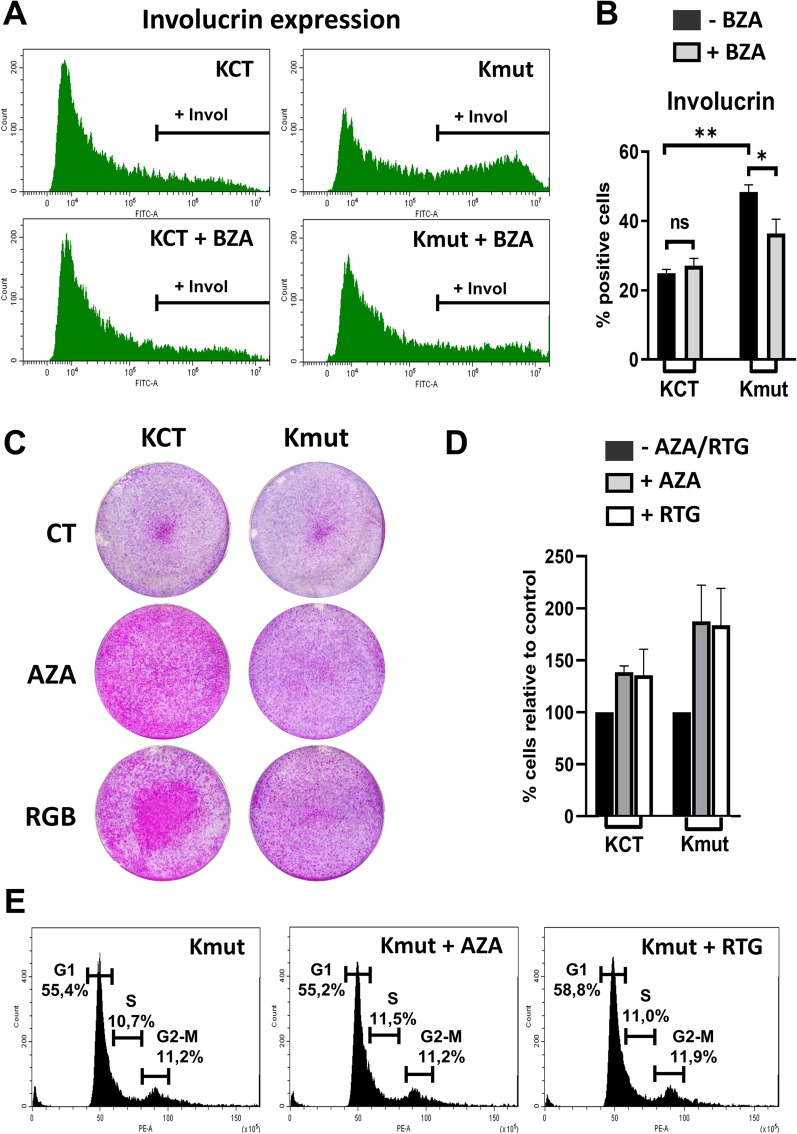
We have isolated and cultured primary cells from the skin of a patient with combined epilepsy and autism syndrome. A mutation in the potassium channel protein Kv10.2 was identified. We have characterised the alteration of the mutant channel and found that it causes loss of function (LOF). Primary cells from the skin displayed a very striking growth defect and increased differentiation. In vitro treatment with various carbonic anhydrase inhibitors with various degrees of specificity for potassium channels, (Brinzolamide, Acetazolamide, Retigabine) restored the activation capacity of the mutated channel. Interestingly, the drugs also recovered in vitro the expansion capacity of the mutated skin cells. Furthermore, treatment with Acetazolamide clearly improved the patient regarding epilepsy and cognitive skills. When the treatment was temporarily halted the syndrome worsened again.
By in vitro studying primary cells from the patient and the activation capacity of the mutated protein, we could first, find a readout for the cellular defects and second, test pharmaceutical treatments that proved to be beneficial. The results show the involvement of a novel LOF mutation of a Potassium channel in autism syndrome with epilepsy and the great potential of in vitro cultures of primary cells in personalised medicine of rare diseases.
与疾病相关的新型发育突变是医学领域的持续挑战。这些突变引起的临床后果包括神经元和认知改变,可导致癫痫或自闭症谱系障碍。通常,很难识别生理缺陷和适当的治疗方法。
我们从一位患有癫痫和自闭症综合征的患者的皮肤中分离和培养了原代细胞。鉴定出钾通道蛋白 Kv10.2 的突变。我们对突变通道的改变进行了特征描述,发现它会导致功能丧失(LOF)。皮肤的原代细胞显示出非常明显的生长缺陷和分化增加。用各种碳酸酐酶抑制剂(布林佐胺、乙酰唑胺、雷替加滨)对体外进行治疗,这些抑制剂对钾通道具有不同程度的特异性,恢复了突变通道的激活能力。有趣的是,这些药物还恢复了突变皮肤细胞的体外扩增能力。此外,乙酰唑胺治疗明显改善了患者的癫痫和认知技能。当治疗暂时停止时,该综合征再次恶化。
通过体外研究患者的原代细胞和突变蛋白的激活能力,我们首先找到了细胞缺陷的读出结果,其次测试了经证实有益的药物治疗。结果表明,一种新型的钾通道 LOF 突变与癫痫伴自闭症有关,体外培养原代细胞在罕见病的个体化医学中具有巨大潜力。