Thornborrow T, Evans E H, Tovee M J, Boothroyd L G
School of Psychology, University of Lincoln, Brayford Pool, Lincoln, LN6 7TS, Lincolnshire, UK.
Department of Psychology, Durham University, South Road, Durham, DH1 3LE, UK.
J Eat Disord. 2022 Sep 6;10(1):133. doi: 10.1186/s40337-022-00656-0.
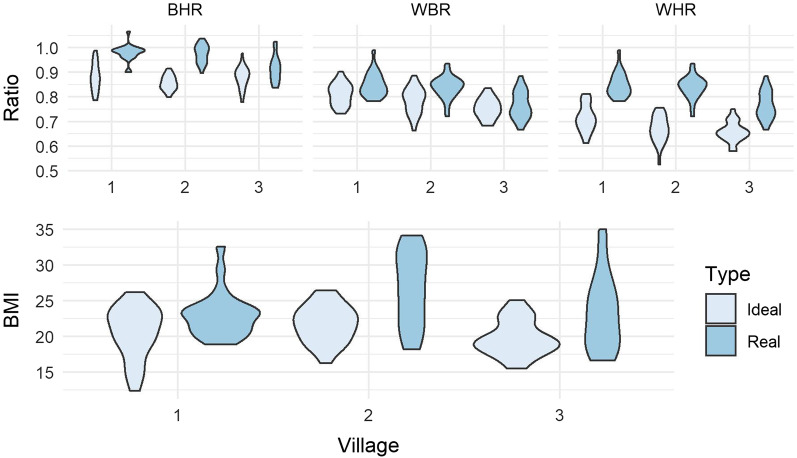
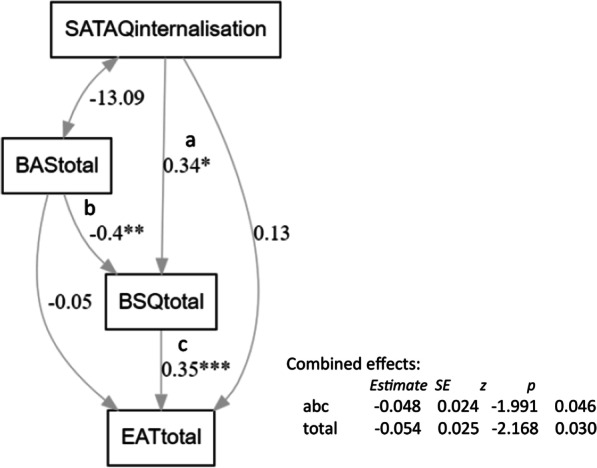
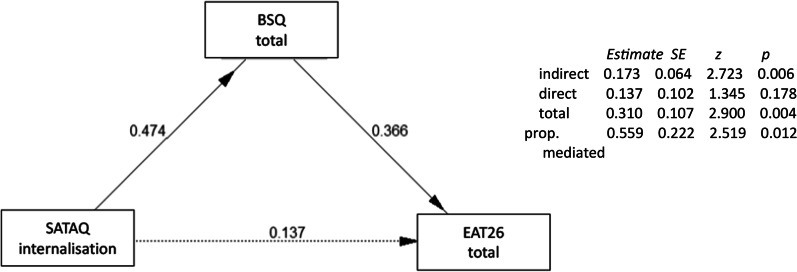
Technological and economic globalisation has been suggested as a cause of increasing rates of body dissatisfaction and eating disorders globally, especially as regards the impact of mass media on internalised body ideals. This process is rarely observed in action, however. The current work investigates multiple aspects of body ideals, body image, sociocultural attitudes and eating attitudes in 62 Creole and Mestizo women living in communities at differing stages of technological development on the Caribbean coast of Nicaragua METHOD/RESULTS: In Study 1, women used 3D avatar software to create their own 'ideal' body without the constraints of ready-made stimuli. Analyses of resulting avatars showed that components of the ideal body shape (upper and lower body curvaceousness) but not body size (body mass) were associated with levels of film and television consumption. In Study 2, women completed measures of variables in the sociocultural model of eating disorder risk. As expected, body dissatisfaction mediated the relationship between internalisation of sociocultural body ideals and pathological eating attitudes. In contrast, body appreciation reduced pathological eating attitudes, via reduced body dissatisfaction. Finally, Study 3 measured sociocultural influences, body image and eating attitudes at 2 or 3 timepoints per woman; body dissatisfaction covaried with pathological eating attitudes across time. Ethnicity varied in its effects across studies.
Together these data show that even at early stages of media acculturation, women may show similar patterns of association between sociocultural internalisation, body dissatisfaction and eating disorder risk as in high income nations. However, they also demonstrate unique aspects of this population's body shape ideals, and the independent protective effect of body appreciation.
技术和经济全球化被认为是全球身体不满和饮食失调率上升的一个原因,特别是大众媒体对内化身体理想的影响。然而,这一过程很少被实际观察到。当前的研究调查了62名生活在尼加拉瓜加勒比海岸不同技术发展阶段社区的克里奥尔人和混血女性的身体理想、身体形象、社会文化态度和饮食态度的多个方面。方法/结果:在研究1中,女性使用3D虚拟形象软件创建自己的“理想”身体,不受现成刺激的限制。对生成的虚拟形象的分析表明,理想身体形状的组成部分(上半身和下半身的曲线美)而非身体大小(体重)与电影和电视消费水平相关。在研究2中,女性完成了饮食失调风险社会文化模型中变量的测量。正如预期的那样,身体不满介导了社会文化身体理想的内化与病理性饮食态度之间的关系。相比之下,身体欣赏通过减少身体不满降低了病理性饮食态度。最后,研究3在每位女性的2或3个时间点测量了社会文化影响、身体形象和饮食态度;身体不满在不同时间与病理性饮食态度共同变化。不同研究中种族的影响各不相同。
这些数据共同表明,即使在媒体文化适应的早期阶段,女性在社会文化内化、身体不满和饮食失调风险之间可能表现出与高收入国家类似的关联模式。然而,它们也展示了该人群身体形状理想的独特方面,以及身体欣赏的独立保护作用。