Atmosphere and Ocean Research Institute, The University of Tokyo, Kashiwa, Chiba, Japan.
Graduate School of Agricultural and Life Sciences, The University of Tokyo, Bunkyo, Tokyo, Japan.
PLoS One. 2022 Sep 7;17(9):e0273670. doi: 10.1371/journal.pone.0273670. eCollection 2022.
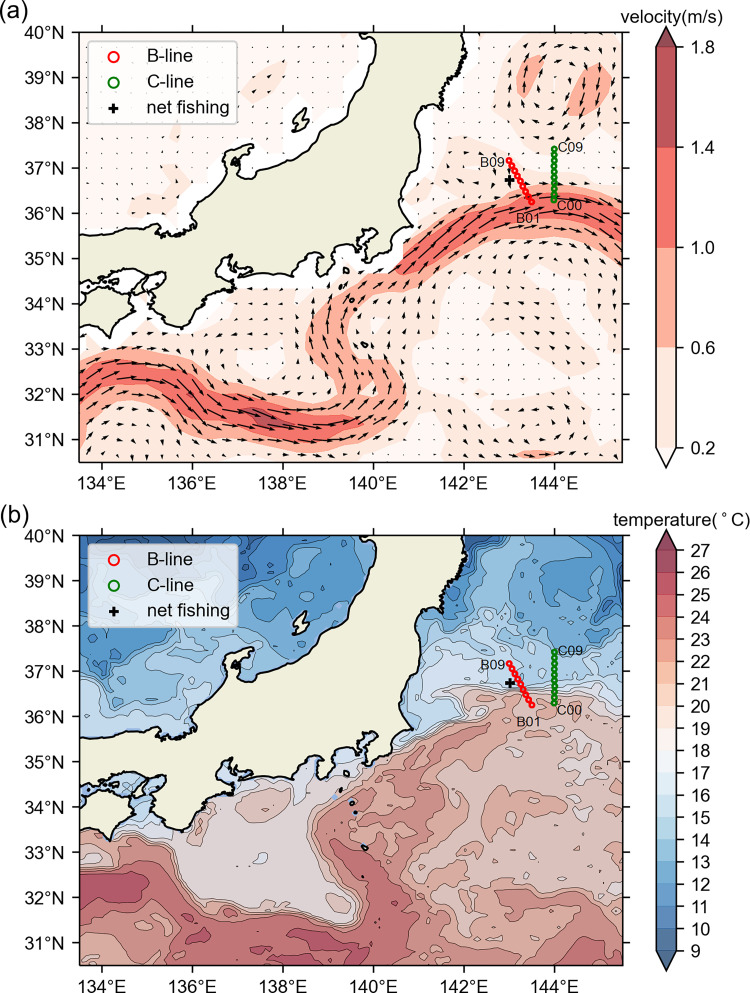
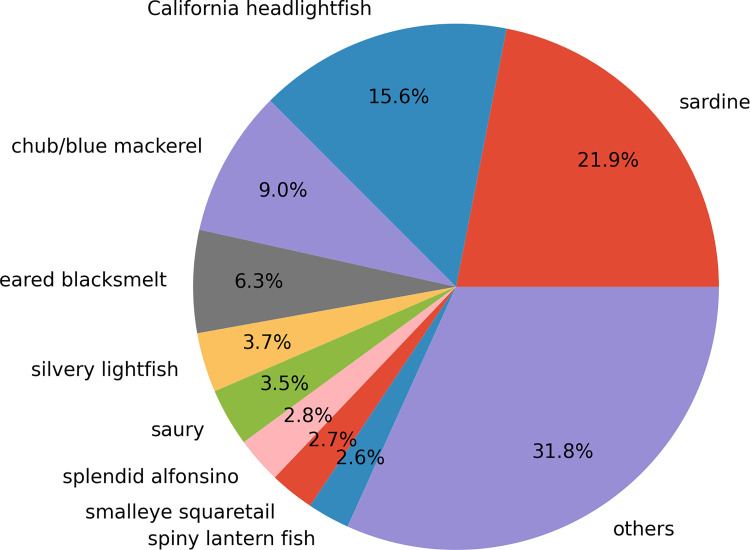
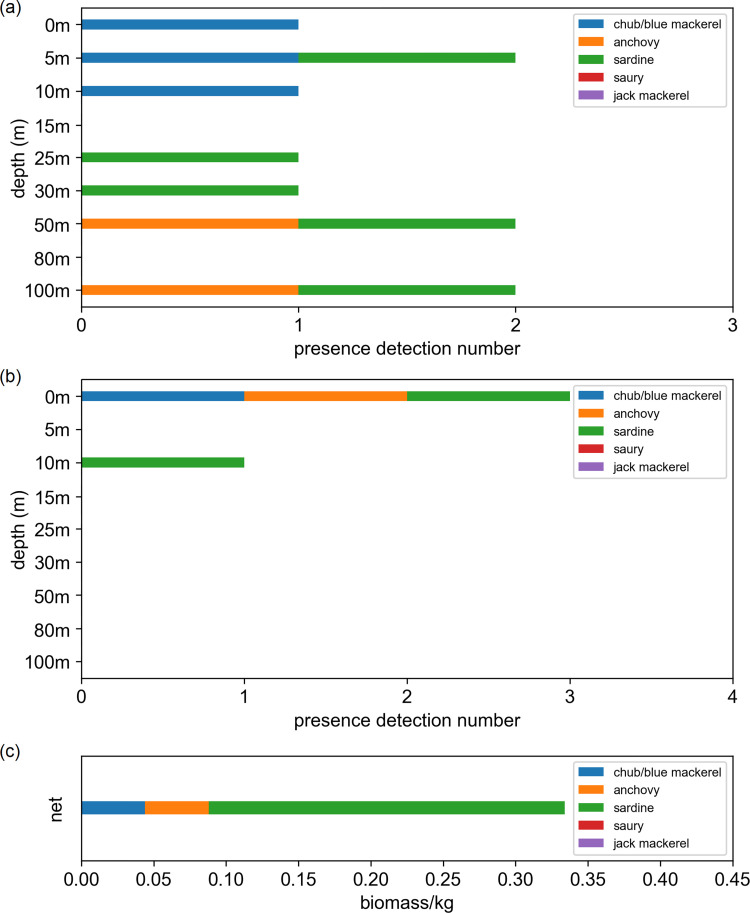
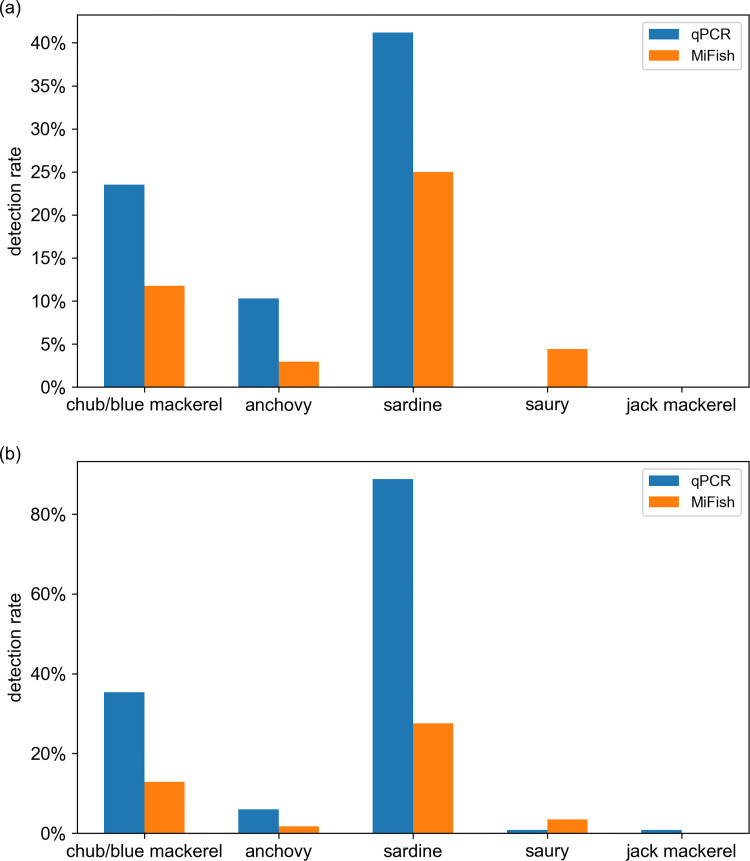
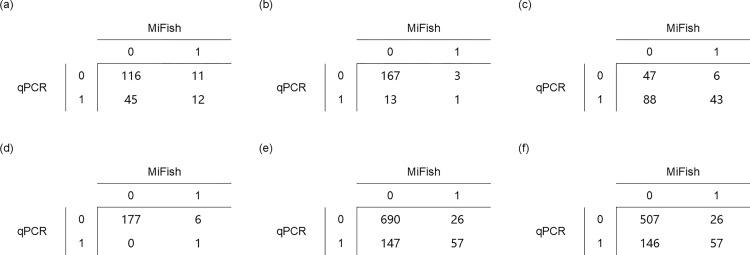
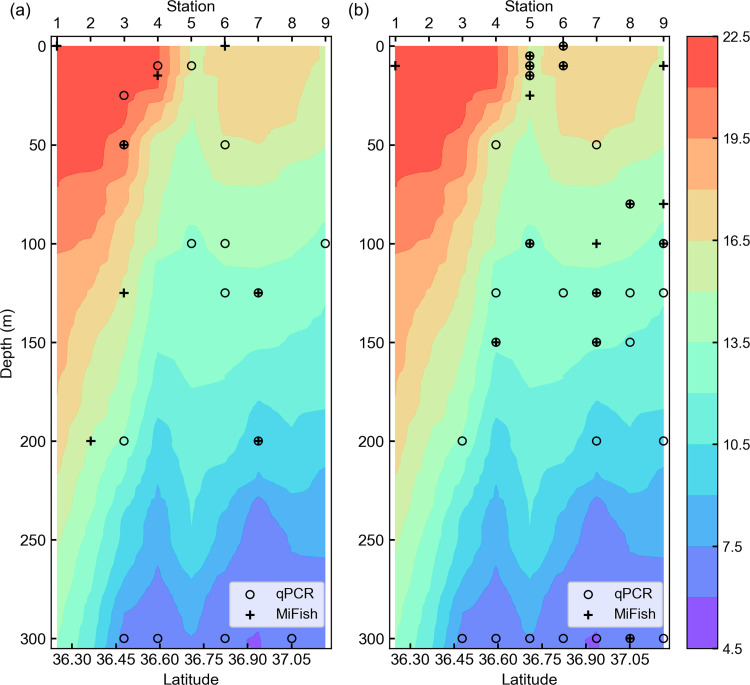
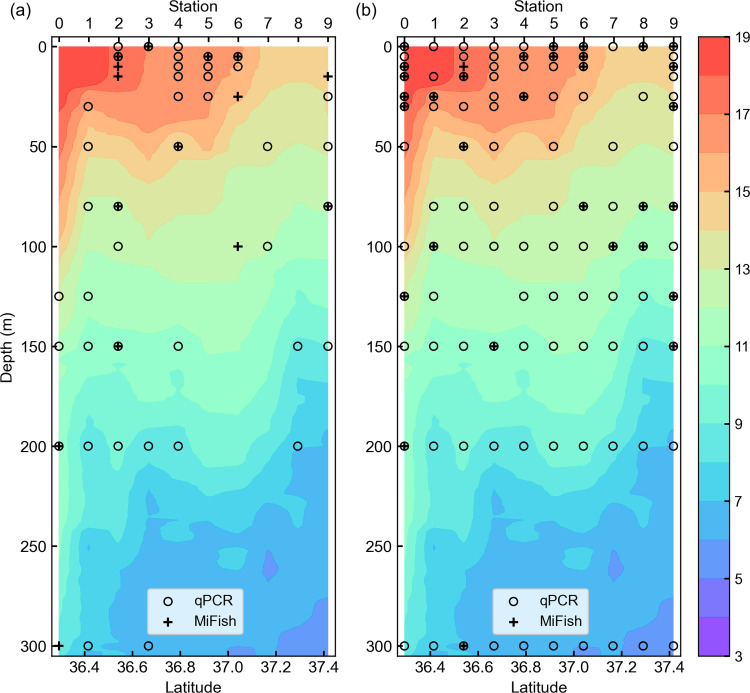
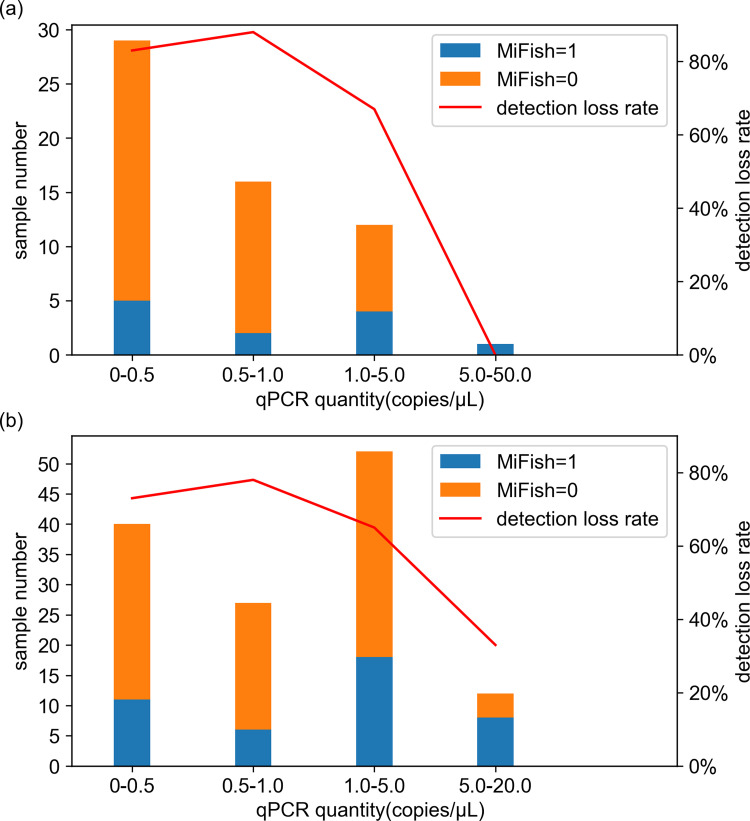
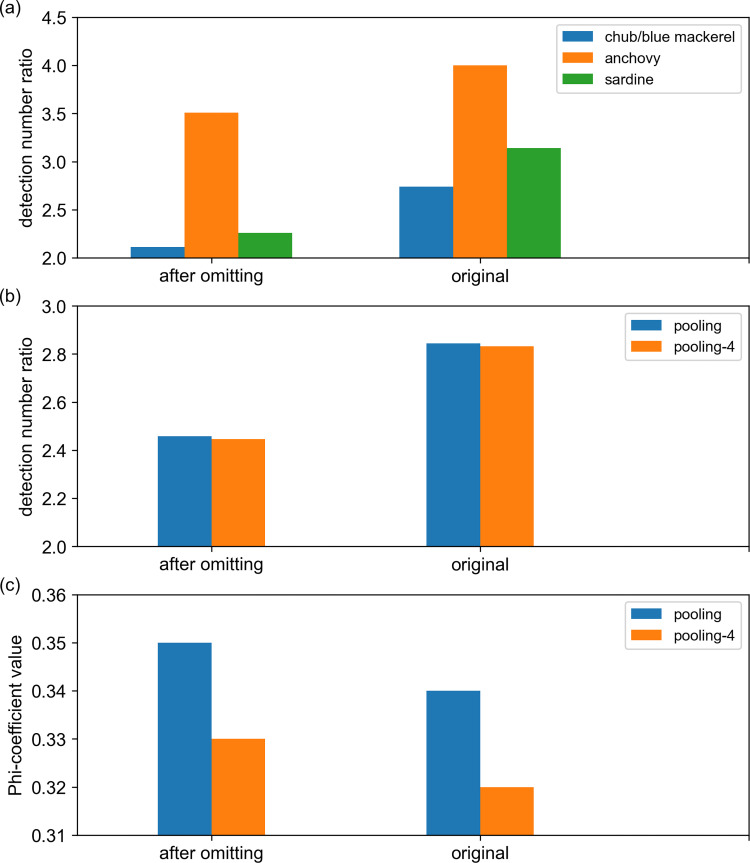
Environmental DNA (eDNA) is increasingly used to noninvasively monitor aquatic animals in freshwater and coastal areas. However, the use of eDNA in the open ocean (hereafter referred to OceanDNA) is still limited because of the sparse distribution of eDNA in the open ocean. Small pelagic fish have a large biomass and are widely distributed in the open ocean. We tested the performance of two OceanDNA analysis methods-species-specific qPCR (quantitative polymerase chain reaction) and MiFish metabarcoding using universal primers-to determine the distribution of small pelagic fish in the open ocean. We focused on six small pelagic fish species (Sardinops melanostictus, Engraulis japonicus, Scomber japonicus, Scomber australasicus, Trachurus japonicus, and Cololabis saira) and selected the Kuroshio Extension area as a testbed, because distribution of the selected species is known to be influenced by the strong frontal structure. The results from OceanDNA methods were compared to those of net sampling to test for consistency. Then, we compared the detection performance in each target fish between the using of qPCR and MiFish methods. A positive correlation was evident between the qPCR and MiFish detection results. In the ranking of the species detection rates and spatial distribution estimations, comparable similarity was observed between results derived from the qPCR and MiFish methods. In contrast, the detection rate using the qPCR method was always higher than that of the MiFish method. Amplification bias on non-target DNA and low sample DNA quantity seemed to partially result in a lower detection rate for the MiFish method; the reason is still unclear. Considering the ability of MiFish to detect large numbers of species and the quantitative nature of qPCR, the combined usage of the two methods to monitor quantitative distribution of small pelagic fish species with information of fish community structures was recommended.
环境 DNA(eDNA)越来越多地用于在淡水和沿海地区非侵入性监测水生动物。然而,由于 eDNA 在开阔海域中的分布稀疏,因此 eDNA 在开阔海域中的应用仍然有限(以下简称 OceanDNA)。小型洄游性鱼类生物量很大,广泛分布于开阔海域。我们测试了两种 OceanDNA 分析方法——物种特异性 qPCR(定量聚合酶链反应)和使用通用引物的 MiFish 宏条形码,以确定开阔海域中小型洄游性鱼类的分布。我们专注于六种小型洄游性鱼类物种(黑鲷、日本鯷、竹荚鱼、黄鳍金枪鱼、鲐鱼和秋刀鱼),并选择黑潮延伸区作为试验场,因为所选物种的分布已知受强锋面结构的影响。OceanDNA 方法的结果与网捕采样的结果进行了比较,以测试一致性。然后,我们比较了 qPCR 和 MiFish 方法在每种目标鱼中的检测性能。qPCR 和 MiFish 检测结果之间存在明显的正相关。在物种检测率和空间分布估计的排名中,qPCR 和 MiFish 方法的结果具有可比性。相比之下,qPCR 方法的检测率始终高于 MiFish 方法。非目标 DNA 的扩增偏倚和低样本 DNA 量似乎部分导致 MiFish 方法的检测率较低;原因尚不清楚。考虑到 MiFish 检测大量物种的能力和 qPCR 的定量性质,建议联合使用这两种方法来监测小型洄游性鱼类物种的定量分布,并提供鱼类群落结构的信息。