Institute for Rare Diseases Research, Instituto de Salud Carlos III (ISCIII), 28222 Madrid, Spain.
Gene Regulation in Cardiovascular Remodelling and Inflammation Laboratory, Centro Nacional de Investigaciones Cardiovasculares Carlos III (CNIC), 28029 Madrid, Spain.
Int J Mol Sci. 2022 Aug 24;23(17):9565. doi: 10.3390/ijms23179565.
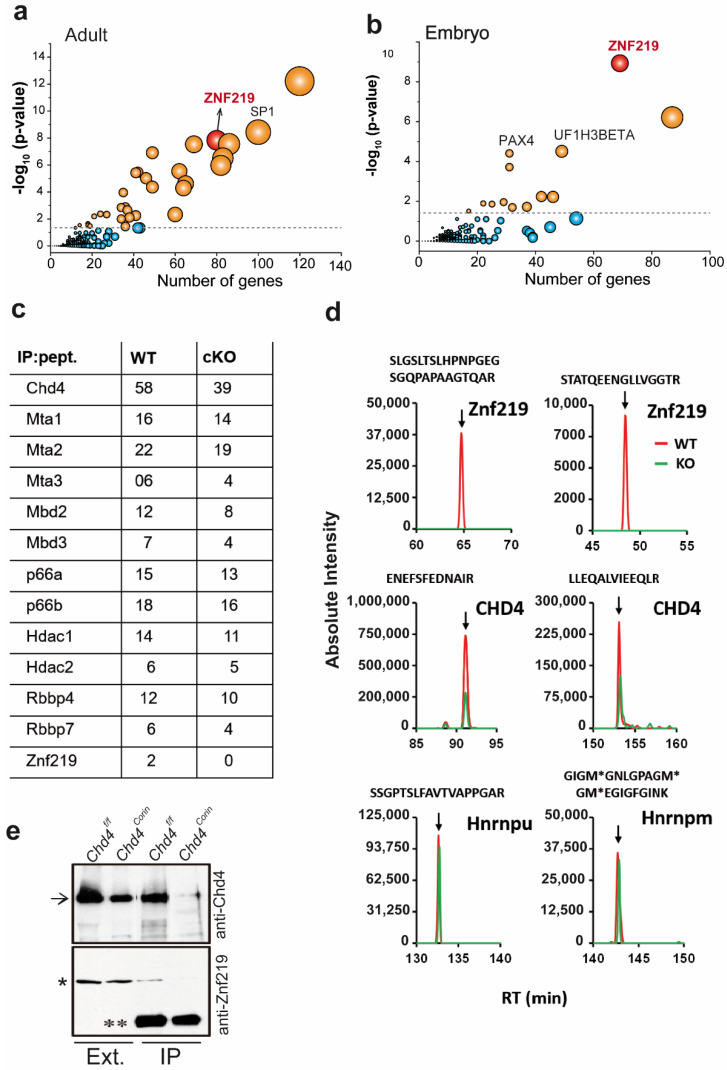
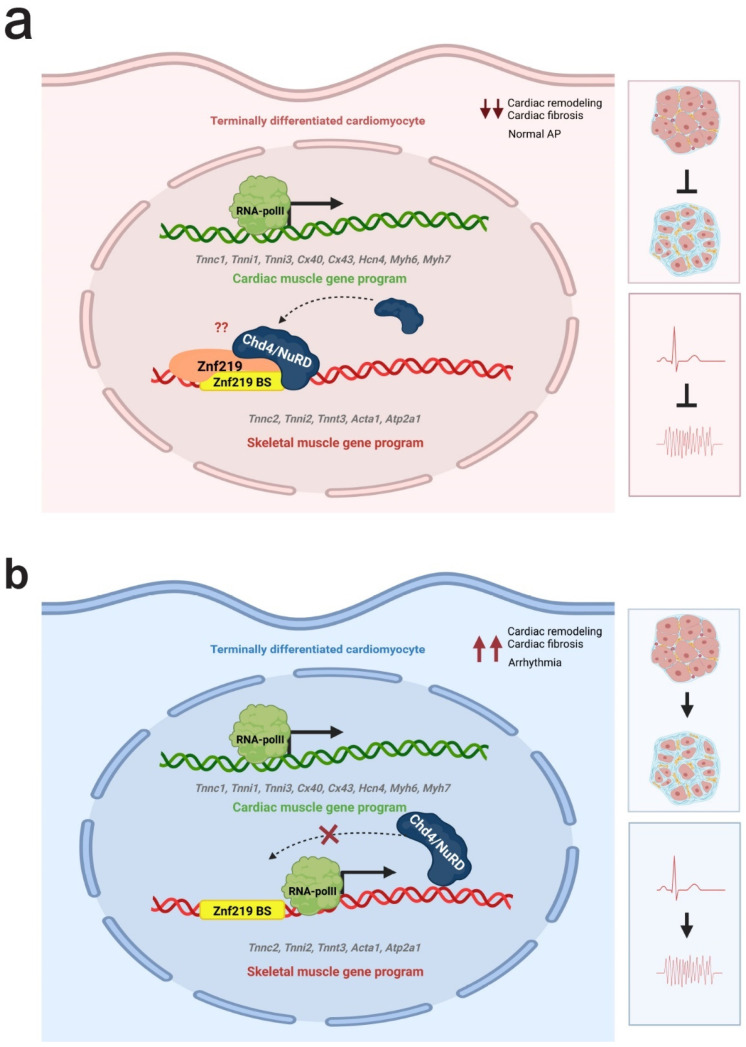
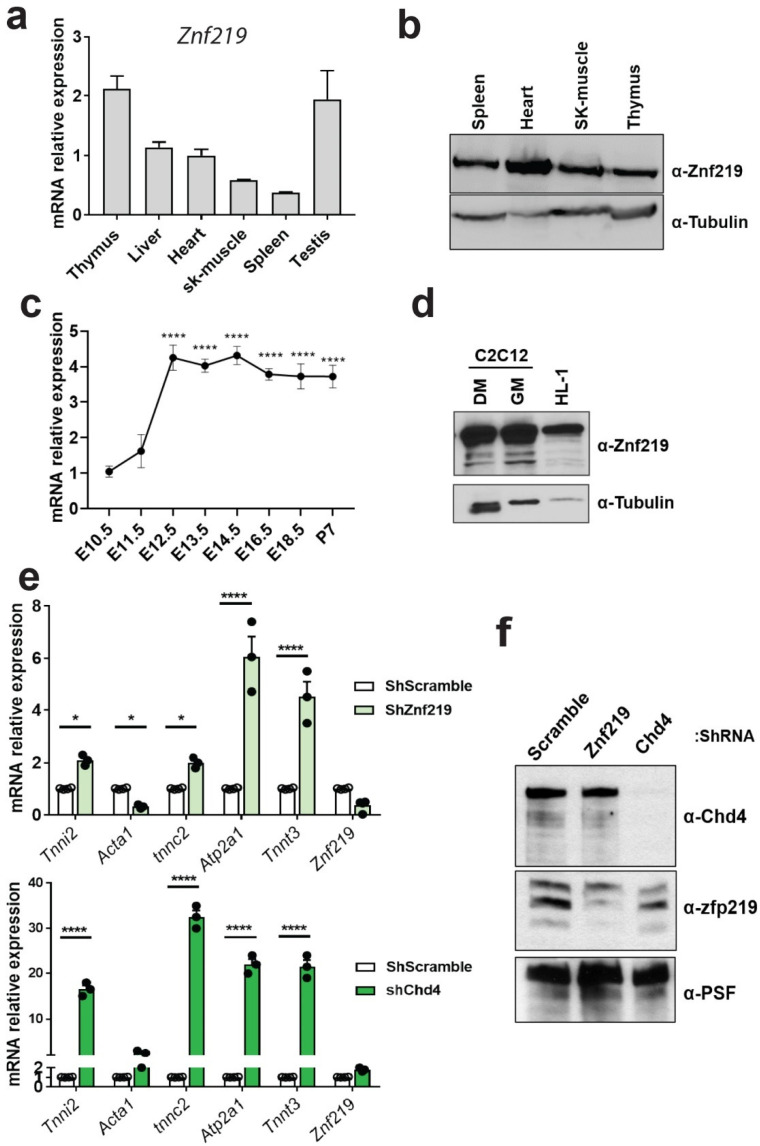
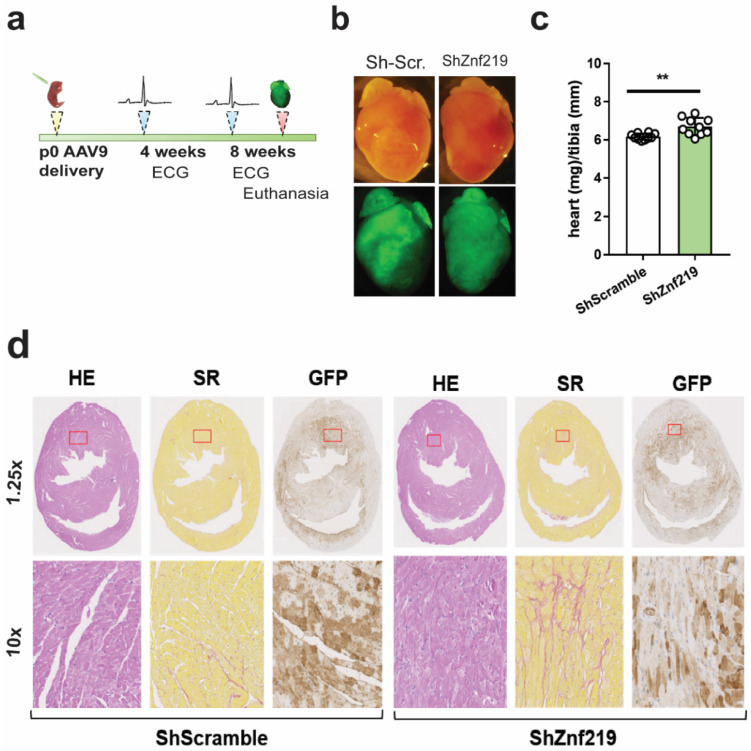
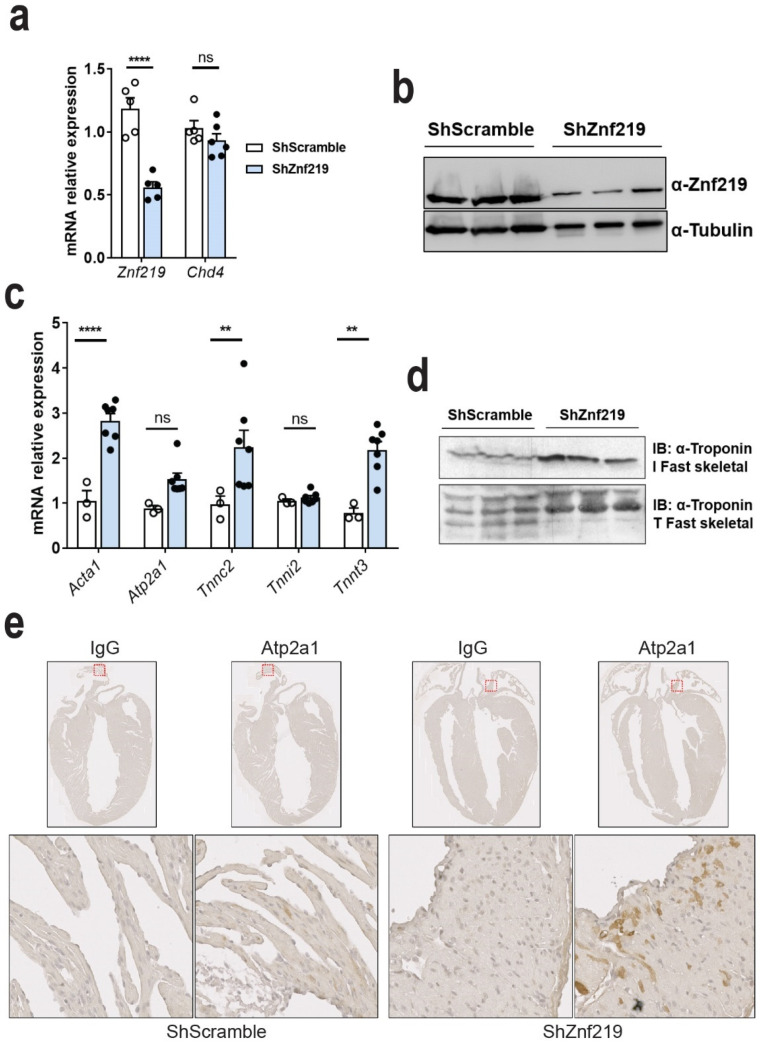
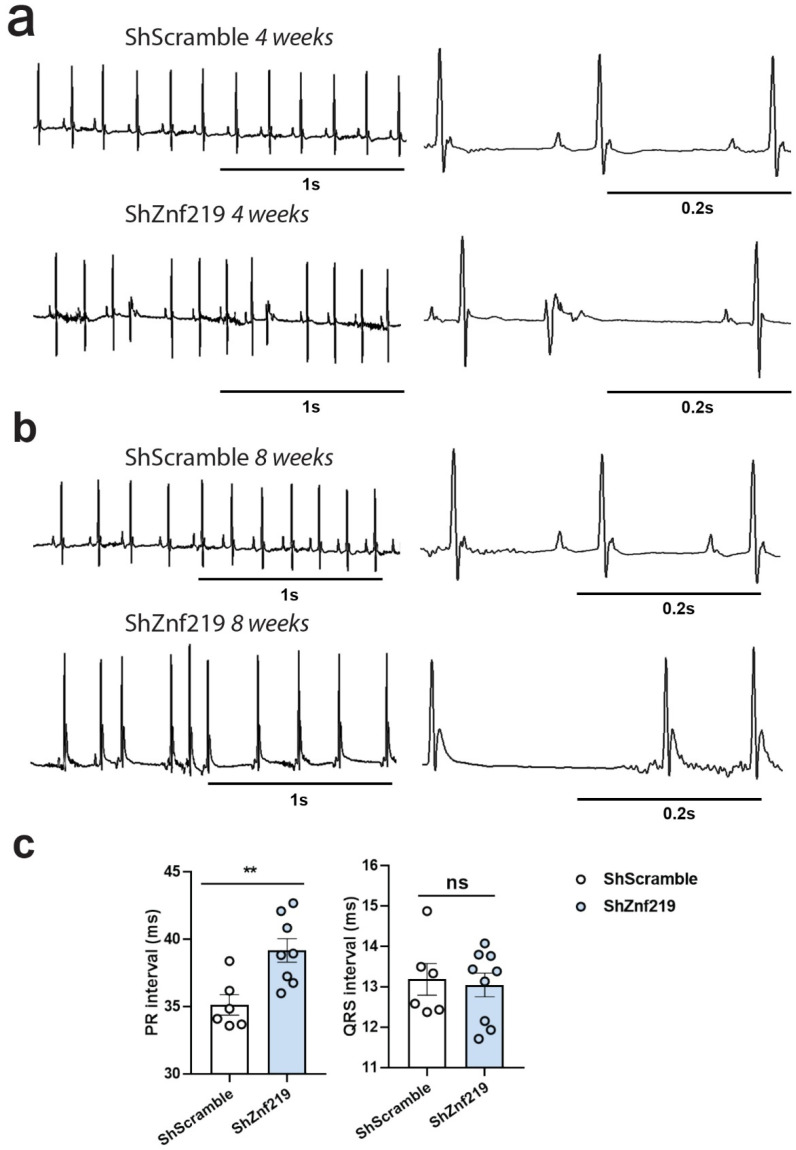
The sarcomere regulates striated muscle contraction. This structure is composed of several myofibril proteins, isoforms of which are encoded by genes specific to either the heart or skeletal muscle. The chromatin remodeler complex Chd4/NuRD regulates the transcriptional expression of these specific sarcomeric programs by repressing genes of the skeletal muscle sarcomere in the heart. Aberrant expression of skeletal muscle genes induced by the loss of Chd4 in the heart leads to sudden death due to defects in cardiomyocyte contraction that progress to arrhythmia and fibrosis. Identifying the transcription factors (TFs) that recruit Chd4/NuRD to repress skeletal muscle genes in the myocardium will provide important information for understanding numerous cardiac pathologies and, ultimately, pinpointing new therapeutic targets for arrhythmias and cardiomyopathies. Here, we sought to find Chd4 interactors and their function in cardiac homeostasis. We therefore describe a physical interaction between Chd4 and the TF Znf219 in cardiac tissue. Znf219 represses the skeletal-muscle sarcomeric program in cardiomyocytes in vitro and in vivo, similarly to Chd4. Aberrant expression of skeletal-muscle sarcomere proteins in mouse hearts with knocked down translates into arrhythmias, accompanied by an increase in PR interval. These data strongly suggest that the physical and genetic interaction of Znf219 and Chd4 in the mammalian heart regulates cardiomyocyte identity and myocardial contraction.
肌节调节横纹肌收缩。这个结构由几种肌原纤维蛋白组成,其同工型由特定于心或骨骼肌的基因编码。染色质重塑复合物 Chd4/NuRD 通过抑制心脏中骨骼肌肌节的基因来调节这些特定的肌节程序的转录表达。由于 Chd4 在心脏中的缺失导致骨骼肌基因的异常表达,从而导致心肌细胞收缩缺陷导致心律失常和纤维化,最终导致心源性猝死。鉴定招募 Chd4/NuRD 来抑制心肌中骨骼肌基因的转录因子 (TF) 将为理解许多心脏病理学提供重要信息,并最终为心律失常和心肌病确定新的治疗靶点。在这里,我们试图寻找 Chd4 的相互作用及其在心脏稳态中的功能。因此,我们描述了 Chd4 与心脏组织中 TF Znf219 之间的物理相互作用。Znf219 在体外和体内均抑制心肌细胞中的骨骼肌肌节程序,与 Chd4 相似。敲低小鼠心脏中的 Znf219 会导致骨骼肌肌节蛋白的异常表达,进而导致心律失常,并伴有 PR 间隔增加。这些数据强烈表明,Znf219 和 Chd4 在哺乳动物心脏中的物理和遗传相互作用调节心肌细胞的特性和心肌收缩。