College of Chemistry and Chemical and Environmental Engineering, Weifang University, Weifang 261061, China.
Department of Pediatrics, Weifang People's Hospital, Weifang 261041, China.
Int J Environ Res Public Health. 2022 Sep 1;19(17):10919. doi: 10.3390/ijerph191710919.
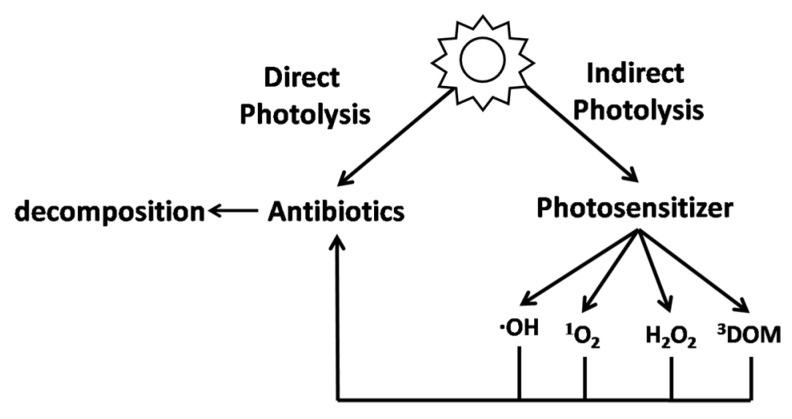
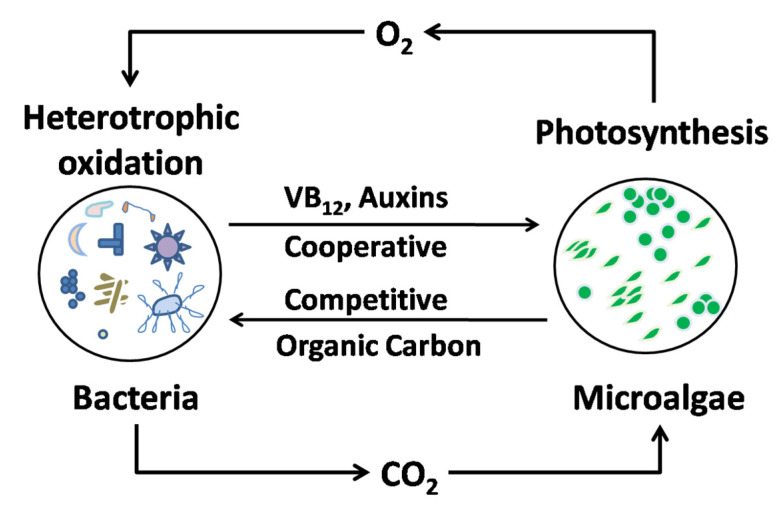
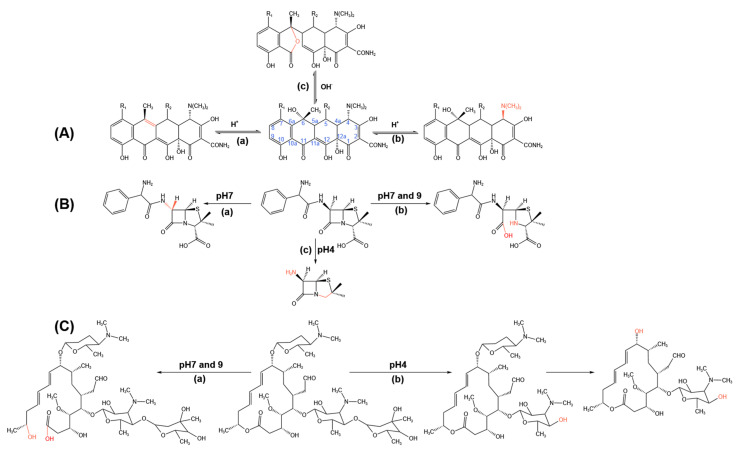
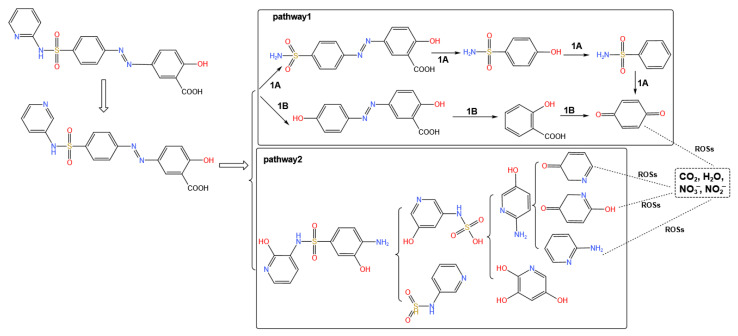
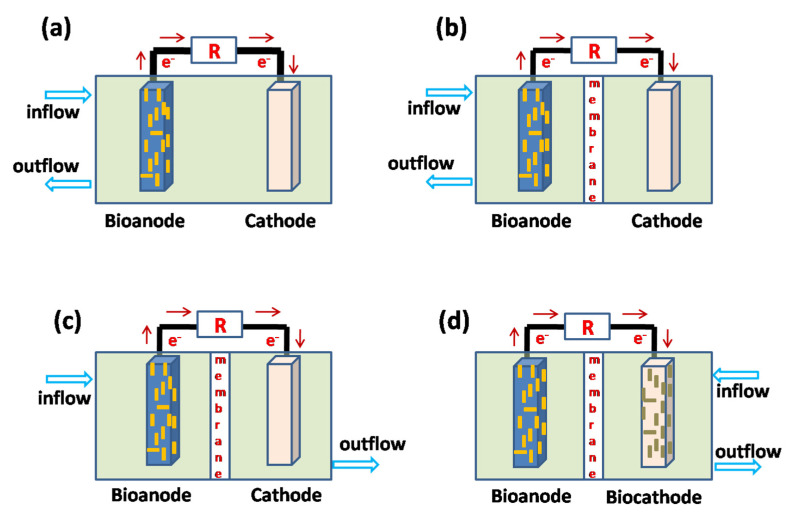
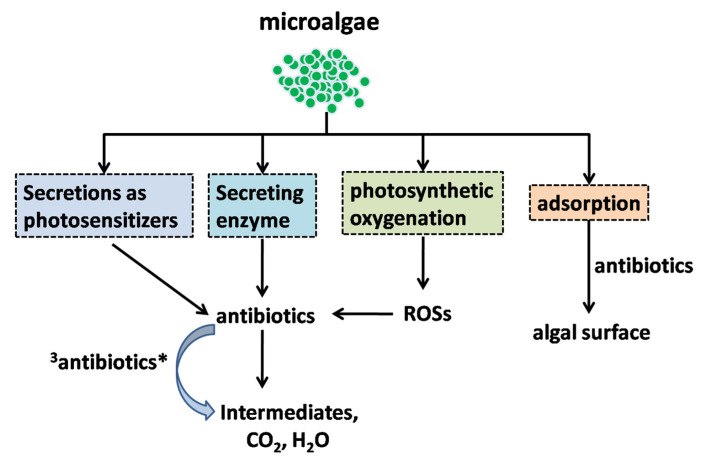
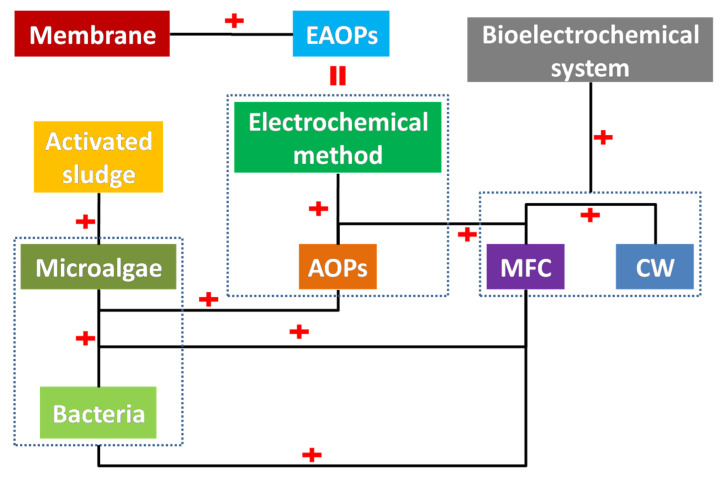
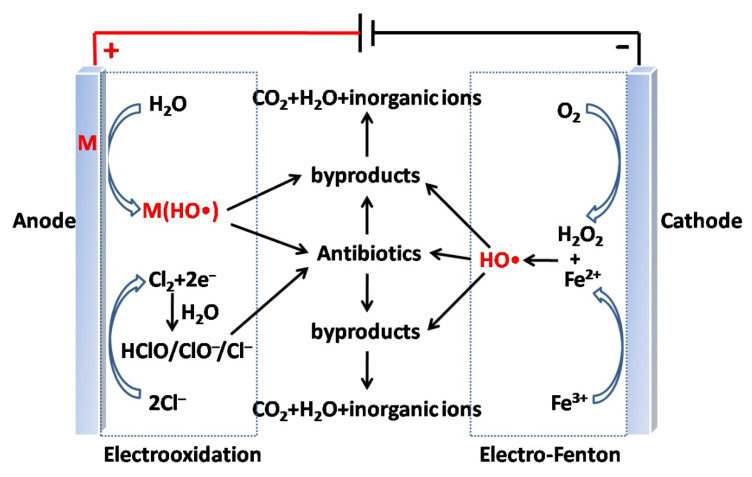
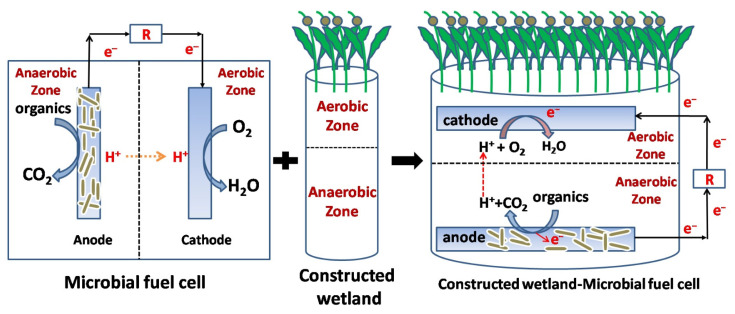
Antibiotics are used extensively throughout the world and their presence in the environment has caused serious pollution. This review summarizes natural methods and enhanced technologies that have been developed for antibiotic degradation. In the natural environment, antibiotics can be degraded by photolysis, hydrolysis, and biodegradation, but the rate and extent of degradation are limited. Recently, developed enhanced techniques utilize biological, chemical, or physicochemical principles for antibiotic removal. These techniques include traditional biological methods, adsorption methods, membrane treatment, advanced oxidation processes (AOPs), constructed wetlands (CWs), microalgae treatment, and microbial electrochemical systems (such as microbial fuel cells, MFCs). These techniques have both advantages and disadvantages and, to overcome disadvantages associated with individual techniques, hybrid techniques have been developed and have shown significant potential for antibiotic removal. Hybrids include combinations of the electrochemical method with AOPs, CWs with MFCs, microalgal treatment with activated sludge, and AOPs with MFCs. Considering the complexity of antibiotic pollution and the characteristics of currently used removal technologies, it is apparent that hybrid methods are better choices for dealing with antibiotic contaminants.
抗生素在全世界范围内广泛使用,其在环境中的存在造成了严重的污染。本综述总结了已开发用于抗生素降解的自然方法和增强技术。在自然环境中,抗生素可以通过光解、水解和生物降解进行降解,但降解的速度和程度是有限的。最近,开发的增强技术利用生物、化学或物理化学原理来去除抗生素。这些技术包括传统的生物方法、吸附方法、膜处理、高级氧化工艺 (AOPs)、人工湿地 (CWs)、微藻处理和微生物电化学系统(如微生物燃料电池,MFCs)。这些技术都有优点和缺点,为了克服单个技术的缺点,已经开发了混合技术,并显示出在去除抗生素方面有很大的潜力。混合技术包括电化学方法与 AOPs 的结合、CWs 与 MFCs 的结合、微藻处理与活性污泥的结合以及 AOPs 与 MFCs 的结合。考虑到抗生素污染的复杂性和当前使用的去除技术的特点,显然混合方法是处理抗生素污染物的更好选择。