Aslan-Horch Emine Ceylan, Horch Raymund E, Arkudas Andreas, Müller-Seubert Wibke, Ludolph Ingo
Department of Plastic and Hand Surgery and Laboratory for Tissue Engineering and Regenerative Medicine, University Hospital Erlangen, Friedrich-Alexander-Universität Erlangen-Nürnberg (FAU), Krankenhausstraße 12, 91054 Erlangen, Germany.
J Clin Med. 2022 Aug 31;11(17):5133. doi: 10.3390/jcm11175133.
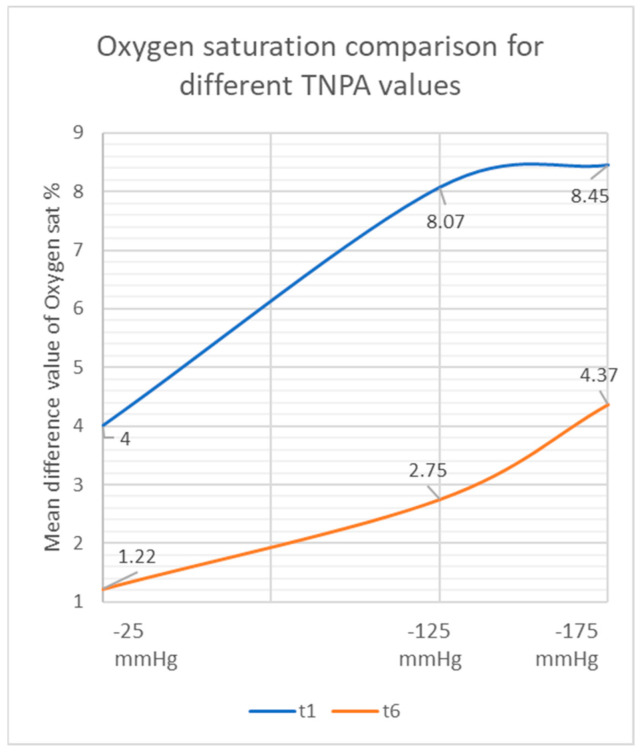
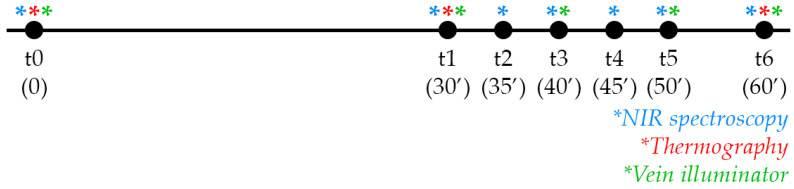
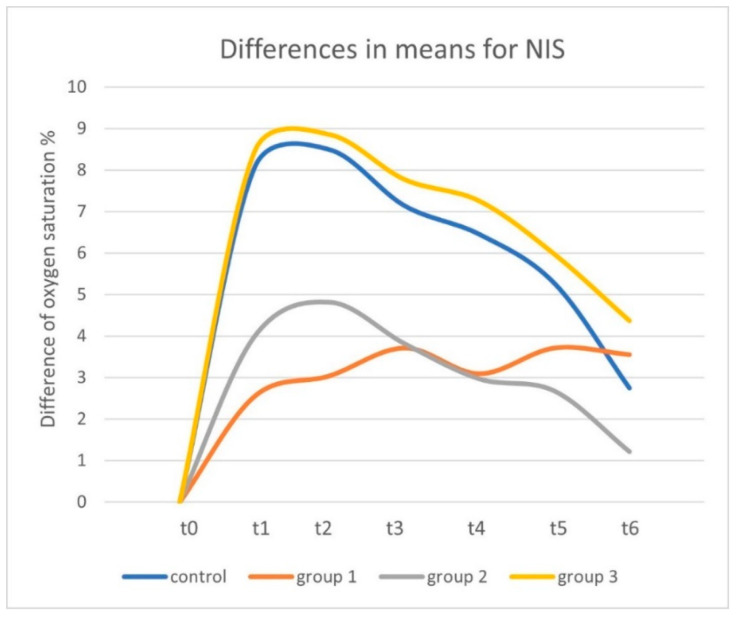
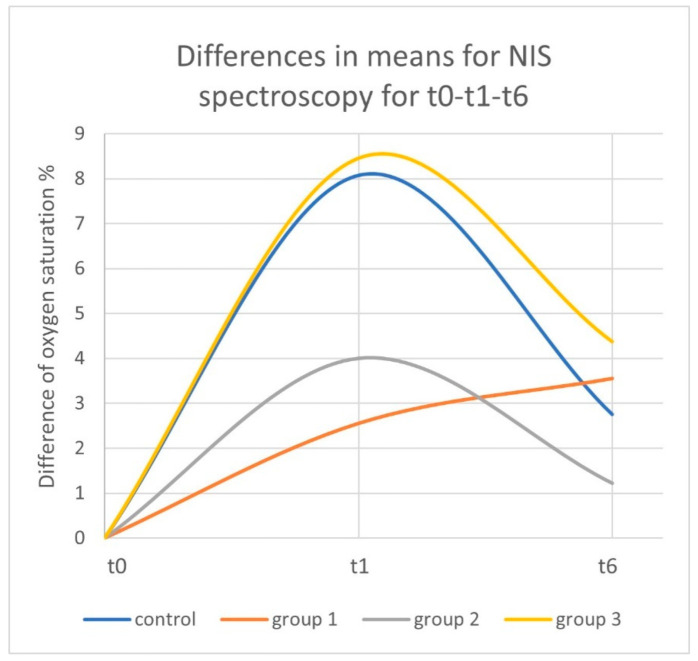
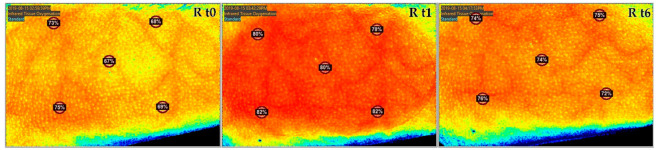
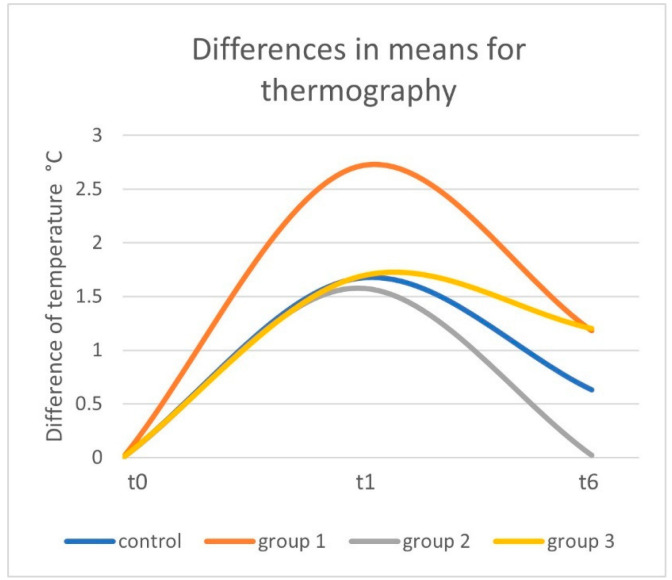
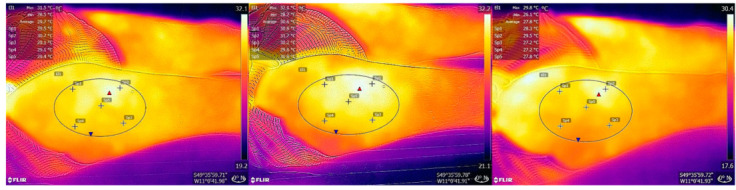
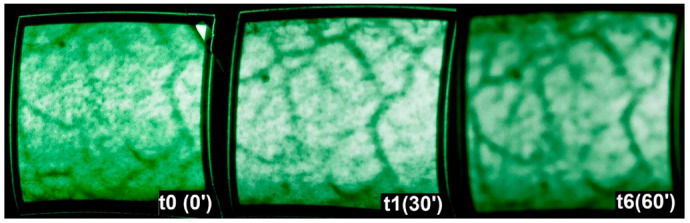
The effects of topical negative pressure therapy (TNP) have been a subject of research for many years. In this study, we investigated new imaging devices to detect clinical changes that TNP causes on healthy tissue and identified differences in microcirculation created by different pressure levels. We used near-infrared spectroscopy (NIS), thermography, and a vein illuminator to measure the differences in oxygen saturation, tissue temperature, and vein pattern. A control group (-125 mmHg) and three comparison groups with only TNP dressing (Group 1), -25 mmHg (Group 2), and -175 mmHg (Group 3) were established. Thirty minutes of TNP on intact skin was followed by 30 min of resting. A total of 24 participants were measured by all imaging devices at predetermined time points. Oxygen saturation and skin temperature increased by 8.07% and 1.67 °C for the control group, 4.00% and 1.65 °C for Group 2, and 8.45% and 1.68 °C for Group 3. Group 1 showed a slight increase in oxygen saturation and a 2.7 °C increase in skin temperature. Over the 30 min following removal of TNP, oxygen saturation and temperature decreased gradually for all groups. The vein illuminator did not show significant differences in the venous pattern or flow. Our study showed that higher negative pressure values resulted in higher oxygen saturation and higher tissue temperature.
局部负压疗法(TNP)的效果多年来一直是研究的课题。在本研究中,我们研究了新的成像设备,以检测TNP对健康组织产生的临床变化,并确定不同压力水平所造成的微循环差异。我们使用近红外光谱(NIS)、热成像和静脉照明器来测量血氧饱和度、组织温度和静脉模式的差异。设立了一个对照组(-125 mmHg)和三个仅使用TNP敷料的比较组,即1组(-25 mmHg)、2组(-175 mmHg)和3组。在完整皮肤上进行30分钟的TNP治疗,随后休息30分钟。在预定时间点,所有成像设备对总共24名参与者进行了测量。对照组的血氧饱和度和皮肤温度分别升高了8.07%和1.67°C,2组分别升高了4.00%和1.65°C,3组分别升高了8.45%和1.68°C。1组的血氧饱和度略有升高,皮肤温度升高了2.7°C。在去除TNP后的30分钟内,所有组的血氧饱和度和温度逐渐下降。静脉照明器未显示静脉模式或血流的显著差异。我们的研究表明,较高的负压值会导致较高的血氧饱和度和较高的组织温度。