Lipiński Tomasz
Department of Material and Machine Technology, The Faculty of Technical Sciences, University of Warmia and Mazury in Olsztyn, 10-719 Olsztyn, Poland.
Materials (Basel). 2022 Sep 4;15(17):6140. doi: 10.3390/ma15176140.
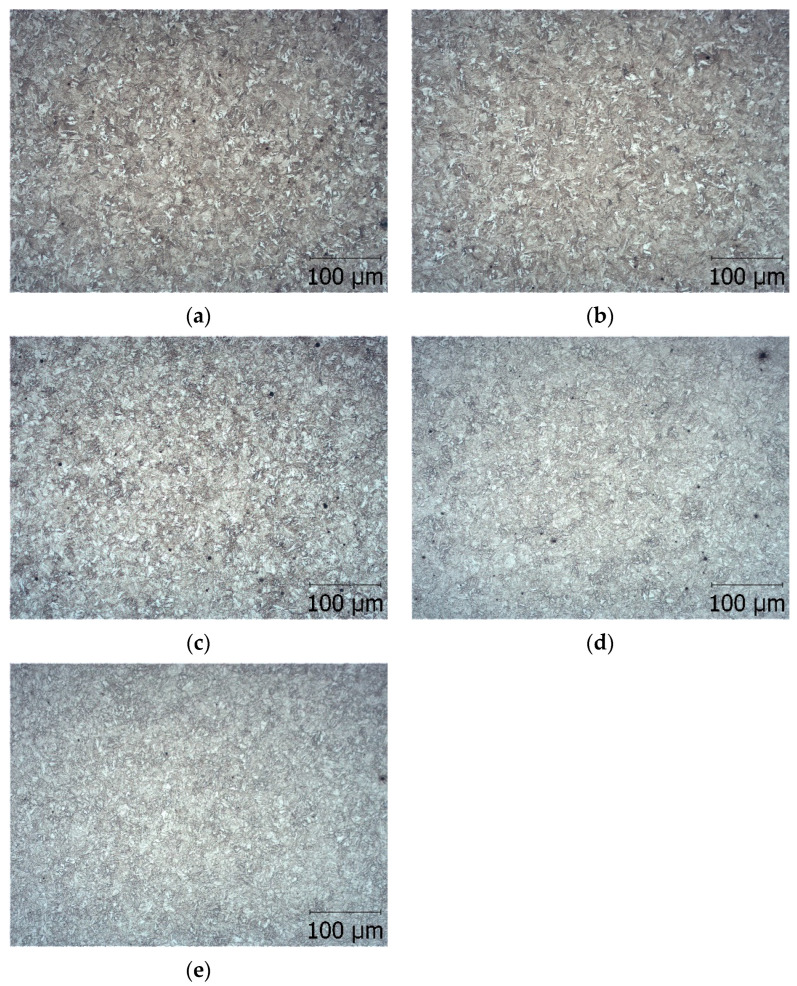
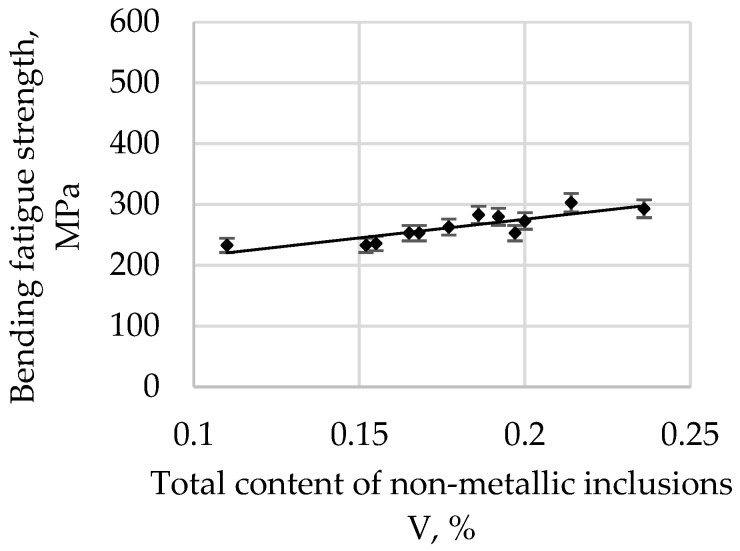
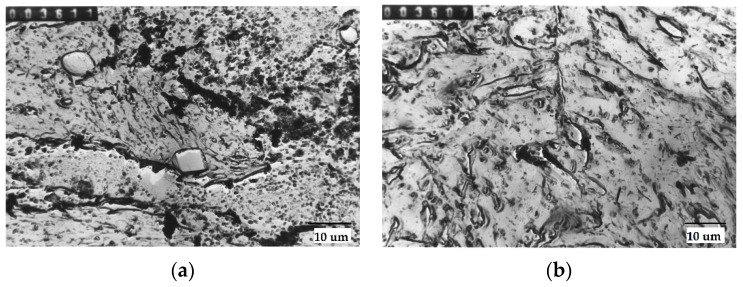
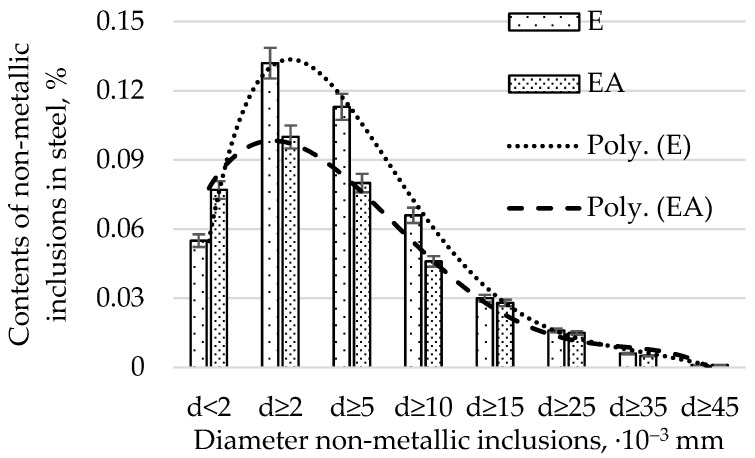
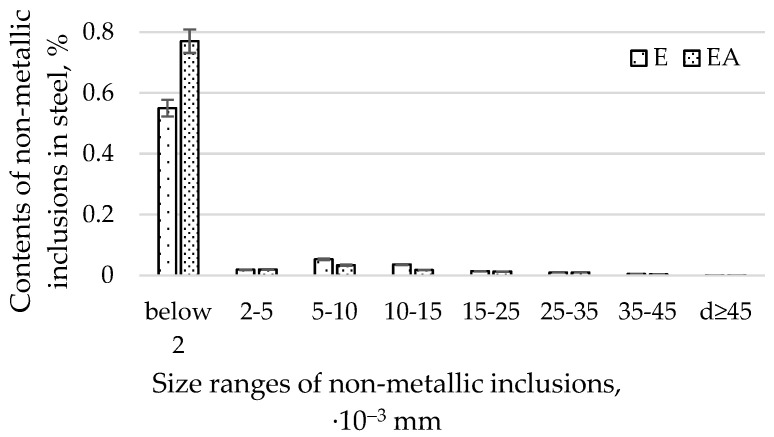
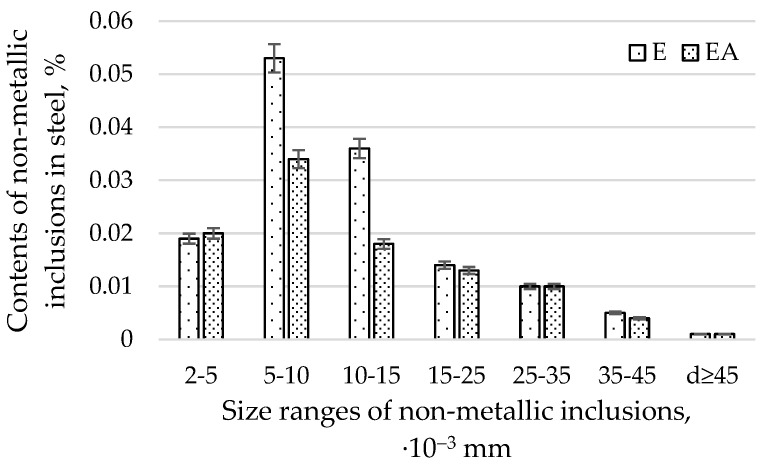
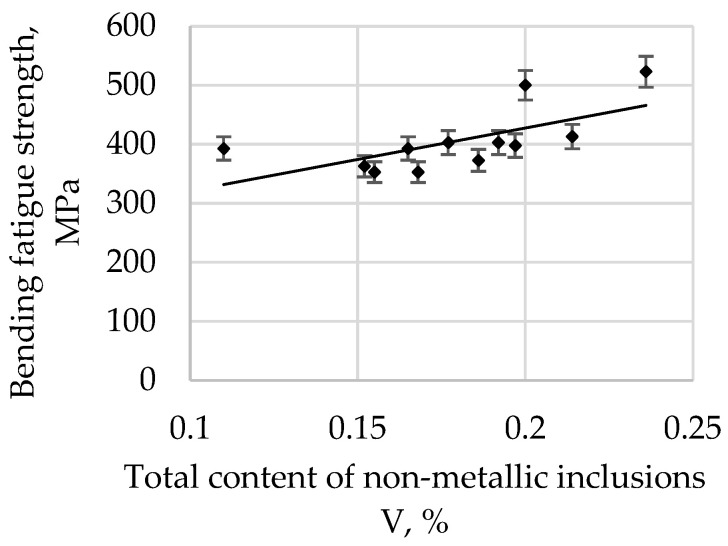
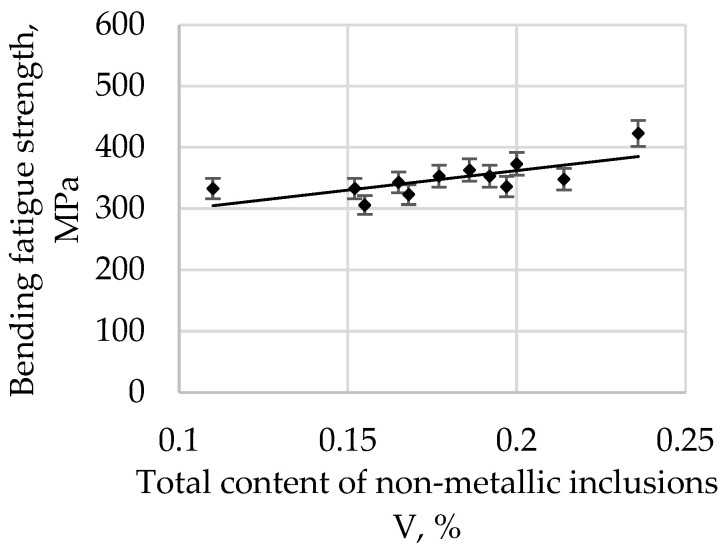
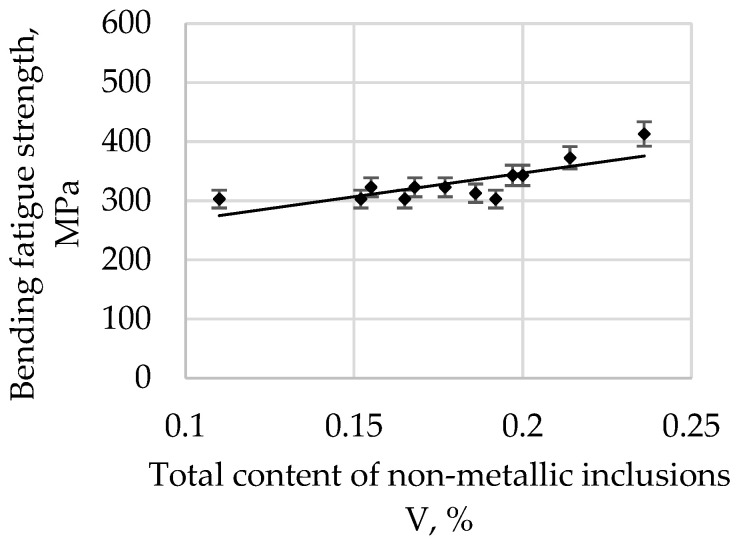
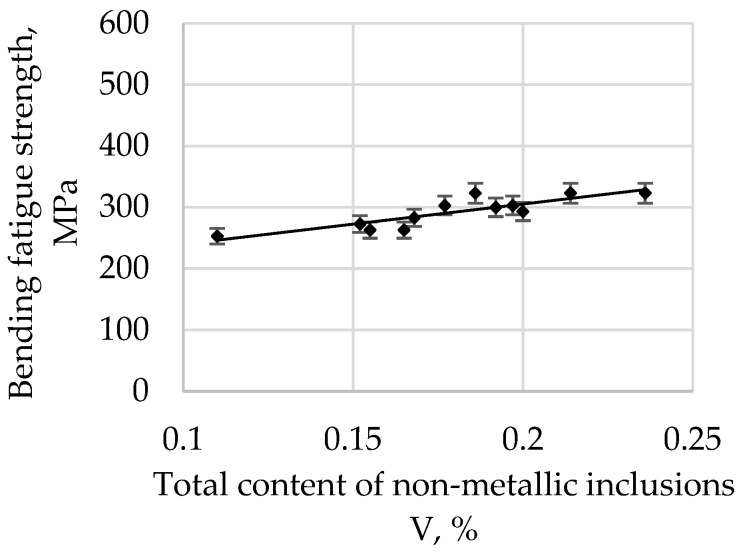
Non-metallic inclusions are one of the many factors influencing the strength of materials operating under variable loads. Their influence on the strength of the material depends not only on the morphology of the impurities themselves, but it is also closely related to the microstructure of the material. This microstructure is the matrix for non-metallic inclusions. This article discusses the results of a study investigating the effect of non-metallic inclusions on the fatigue strength of structural steel during rotary bending. The study was performed at 12 heats produced in an industrial plant's 140-ton electric furnaces. Six heats were desulphurised, and six were refined with argon. This paper presents the bending fatigue strength of steel hardened and tempered at different temperatures, subject to the relative volume of inclusions. This paper also presents the dimensional structure of non-metallic inclusions divided by different two technologies. The research shows that the main fraction of non-metallic inclusions is AlO; the most numerous were impurities with a diameter of less than 2 µm; argon refining does not affect the proportion of non-metallic inclusions of large dimensions (with a diameter of over 15 µm); the influence of non-metallic inclusions on the strength of the steel is also related to the microstructure of the steel constituting the matrix of inclusions.
非金属夹杂物是影响在可变载荷下工作的材料强度的众多因素之一。它们对材料强度的影响不仅取决于杂质本身的形态,还与材料的微观结构密切相关。这种微观结构是非金属夹杂物的基体。本文讨论了一项研究的结果,该研究调查了非金属夹杂物对结构钢在旋转弯曲过程中疲劳强度的影响。该研究在一家工业工厂的140吨电炉生产的12炉钢上进行。6炉进行了脱硫处理,6炉用氩气精炼。本文给出了在不同温度下淬火和回火的钢的弯曲疲劳强度,以及夹杂物的相对体积。本文还给出了通过两种不同工艺划分的非金属夹杂物的尺寸结构。研究表明,非金属夹杂物的主要部分是AlO;直径小于2 µm的杂质数量最多;氩气精炼不会影响大尺寸(直径超过15 µm)非金属夹杂物的比例;非金属夹杂物对钢强度的影响还与构成夹杂物基体的钢的微观结构有关。