Engineering Research Center of Nano-Geomaterials of Ministry of Education, Faculty of Materials Science and Chemistry, China University of Geosciences, Wuhan 430074, China.
School of Medicine, College of Chemistry, Nankai University, Tianjin 300071, China.
Molecules. 2022 Aug 31;27(17):5607. doi: 10.3390/molecules27175607.
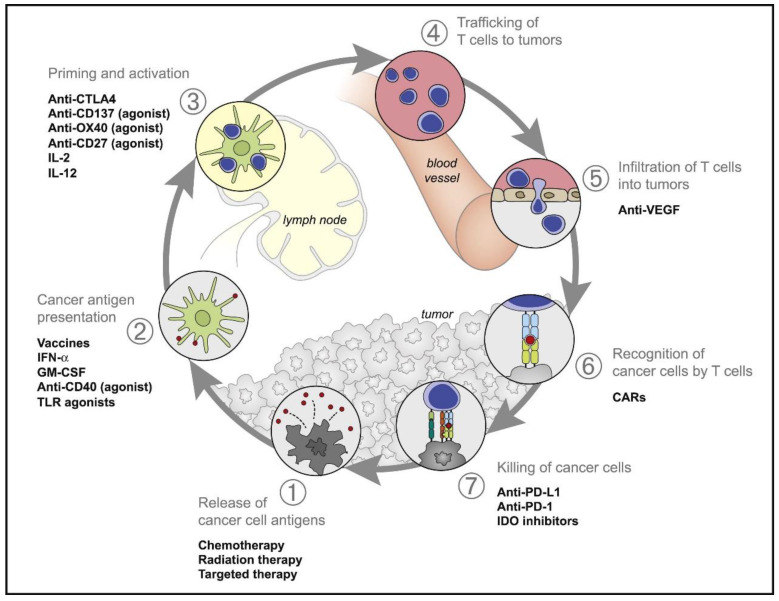
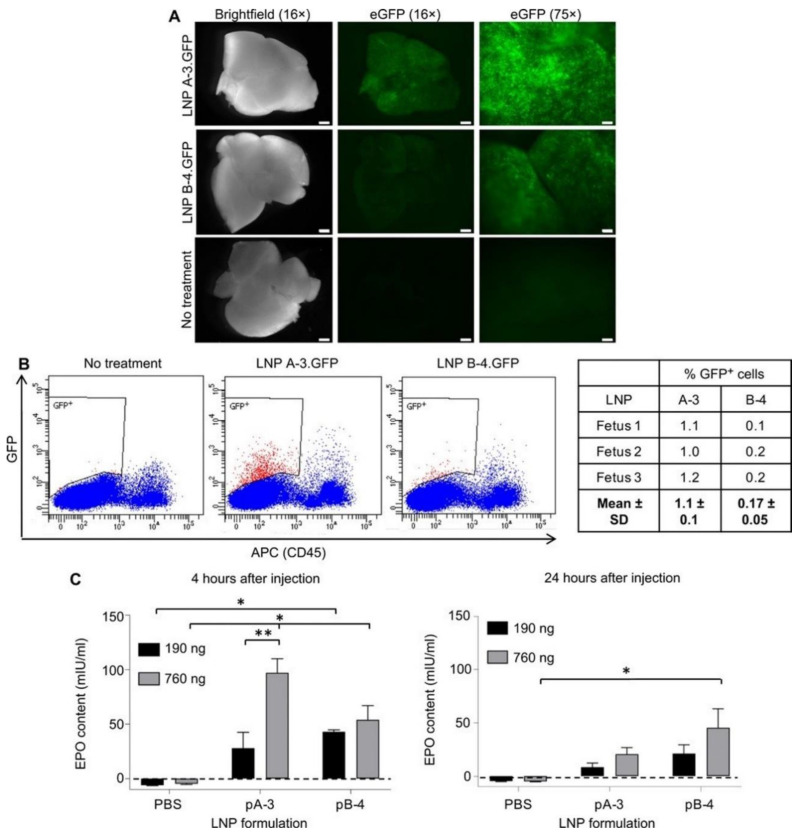
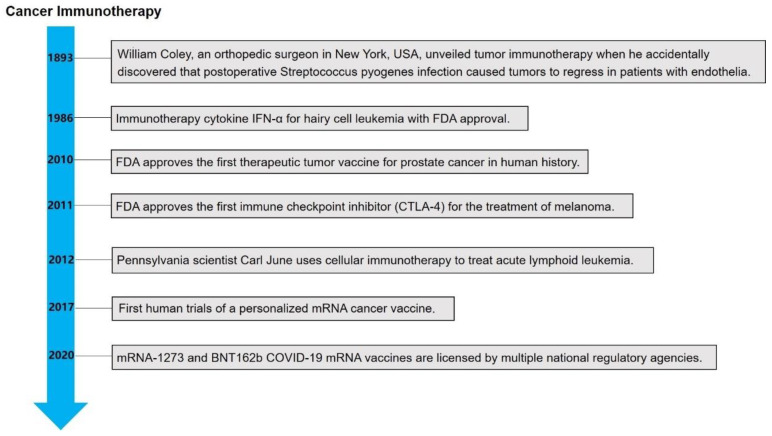
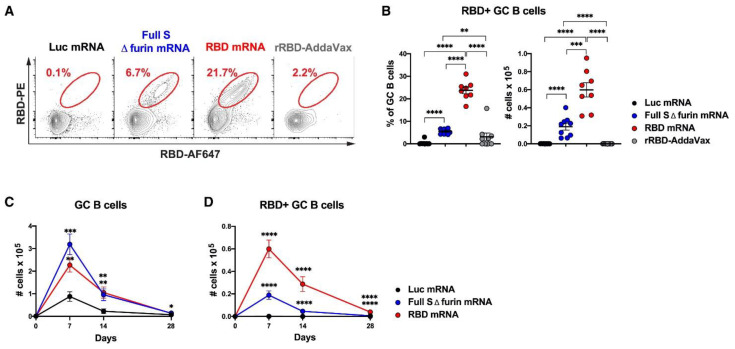
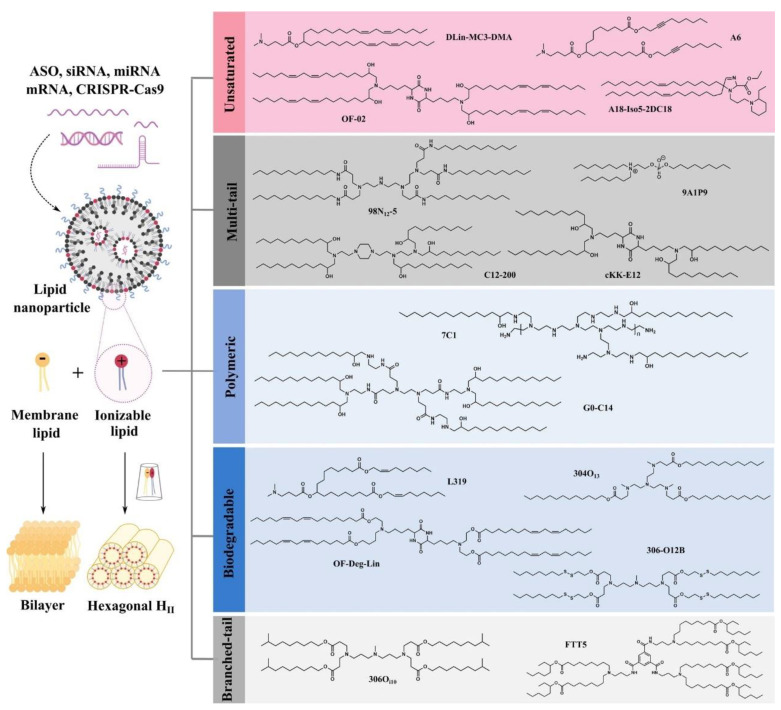
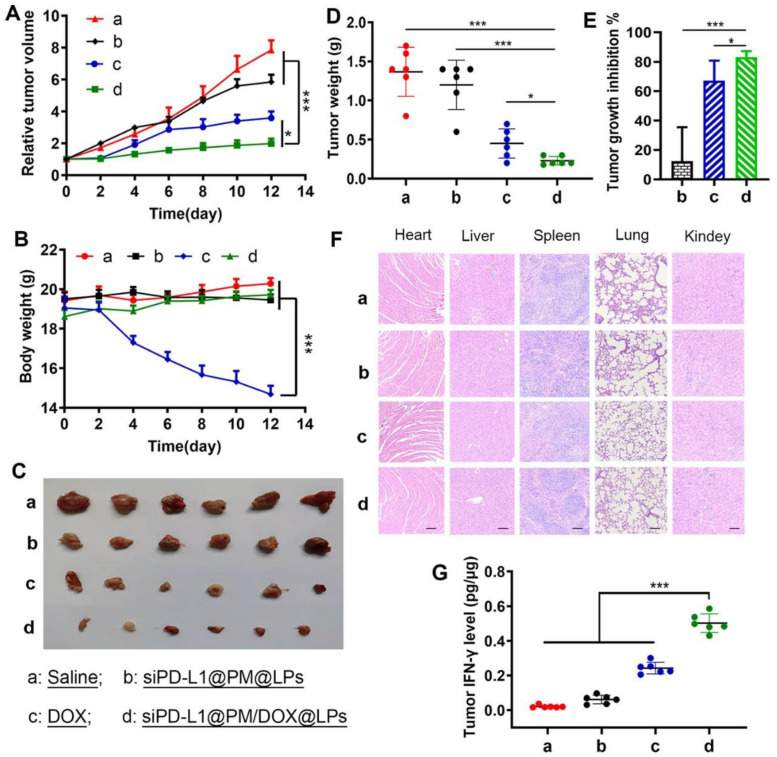
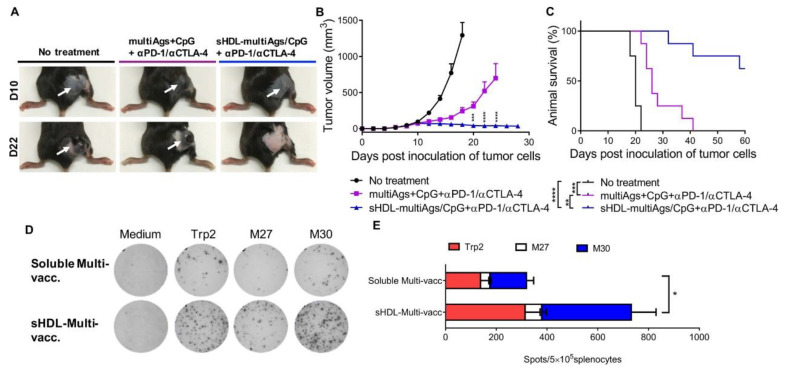
Messenger RNA (mRNA) is being developed by researchers as a novel drug for the treatment or prevention of many diseases. However, to enable mRNA to fully exploit its effects in vivo, researchers need to develop safer and more effective mRNA delivery systems that improve mRNA stability and enhance the ability of cells to take up and release mRNA. To date, lipid nanoparticles are promising nanodrug carriers for tumor therapy, which can significantly improve the immunotherapeutic effects of conventional drugs by modulating mRNA delivery, and have attracted widespread interest in the biomedical field. This review focuses on the delivery of mRNA by lipid nanoparticles for cancer treatment. We summarize some common tumor immunotherapy and mRNA delivery strategies, describe the clinical advantages of lipid nanoparticles for mRNA delivery, and provide an outlook on the current challenges and future developments of this technology.
信使 RNA(mRNA)正被研究人员开发为一种新型药物,用于治疗或预防许多疾病。然而,为了使 mRNA 能够充分发挥其在体内的作用,研究人员需要开发更安全、更有效的 mRNA 传递系统,以提高 mRNA 的稳定性并增强细胞摄取和释放 mRNA 的能力。迄今为止,脂质纳米颗粒是用于肿瘤治疗的有前途的纳米药物载体,通过调节 mRNA 的传递,可以显著提高常规药物的免疫治疗效果,在生物医学领域引起了广泛的关注。本综述重点介绍了脂质纳米颗粒在癌症治疗中的 mRNA 传递。我们总结了一些常见的肿瘤免疫治疗和 mRNA 传递策略,描述了脂质纳米颗粒用于 mRNA 传递的临床优势,并对该技术目前的挑战和未来的发展进行了展望。