Department of Neurology, Hebei General Hospital, Shijiazhuang, China.
Department of Neurology, Kailuan General Hospital, Tangshan, China.
Medicine (Baltimore). 2022 Sep 9;101(36):e30347. doi: 10.1097/MD.0000000000030347.
To assess the efficacy and safety of rituximab (RTX) in the treatment of neuromyelitis optica spectrum diseases (NMOSDs), and give a guideline on clinical medication.
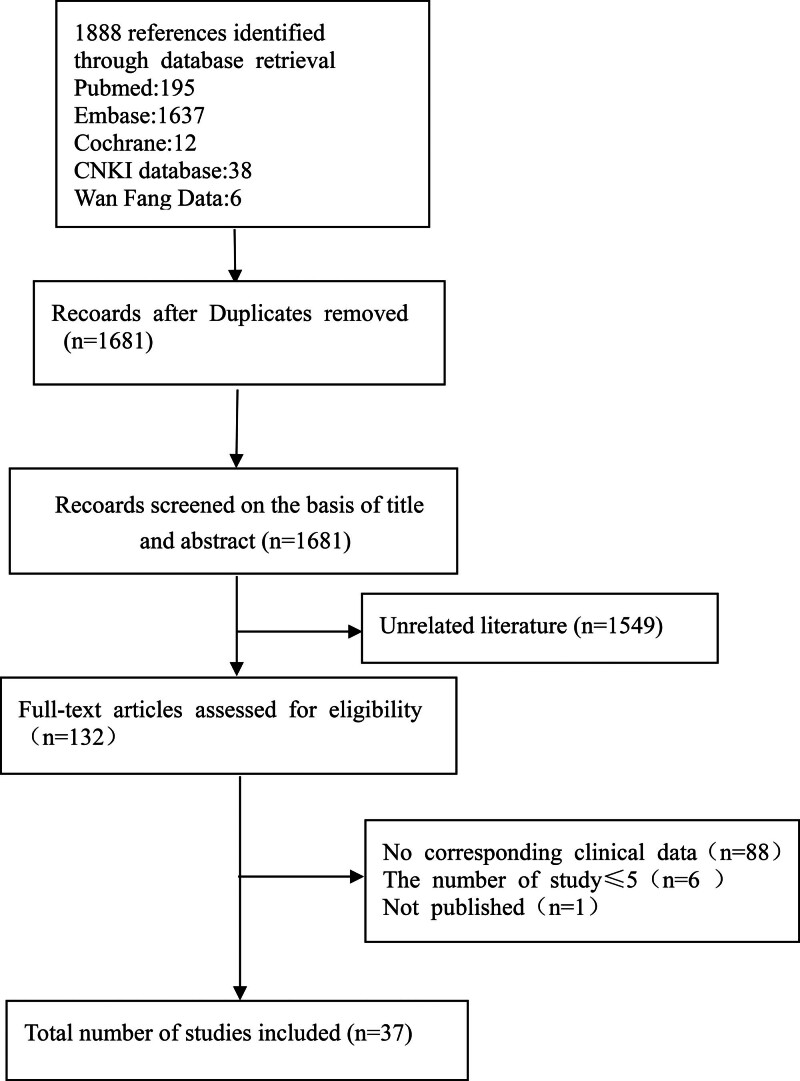
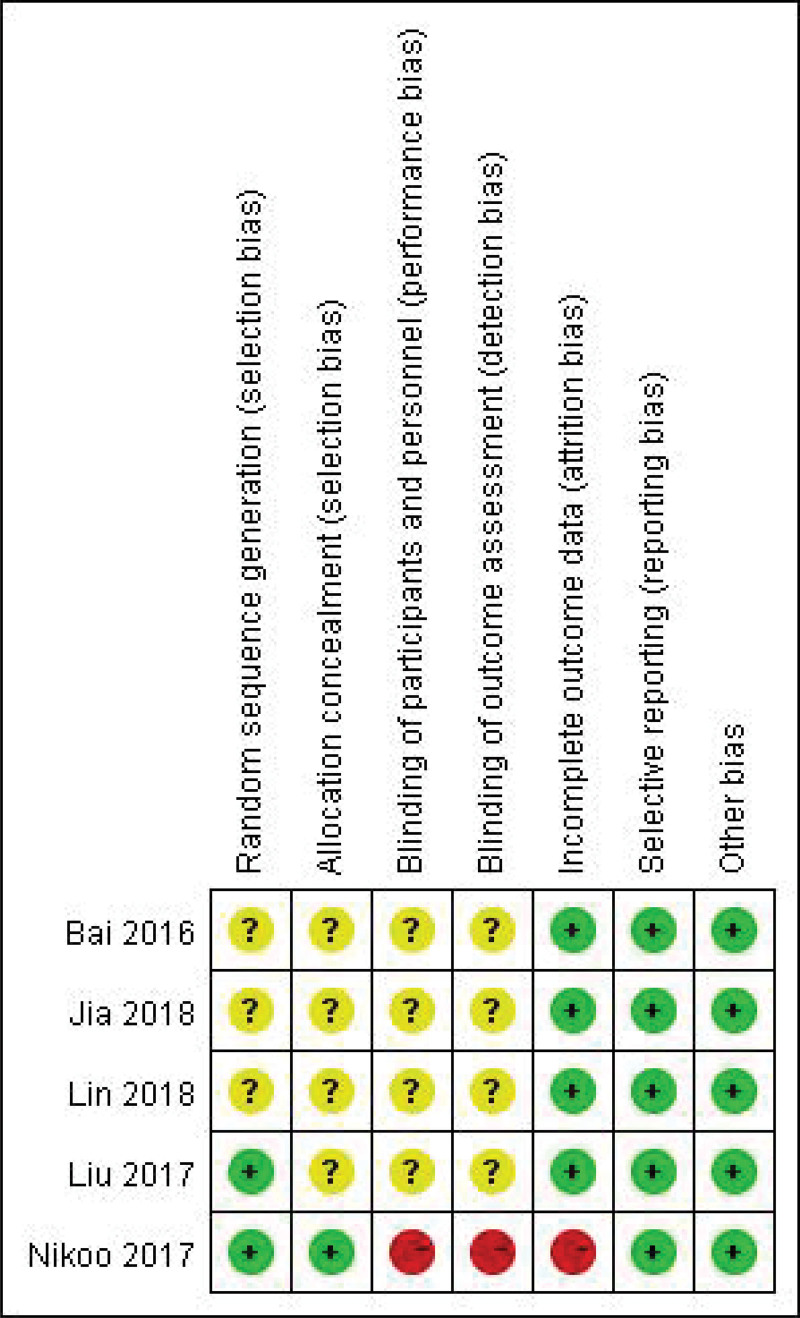
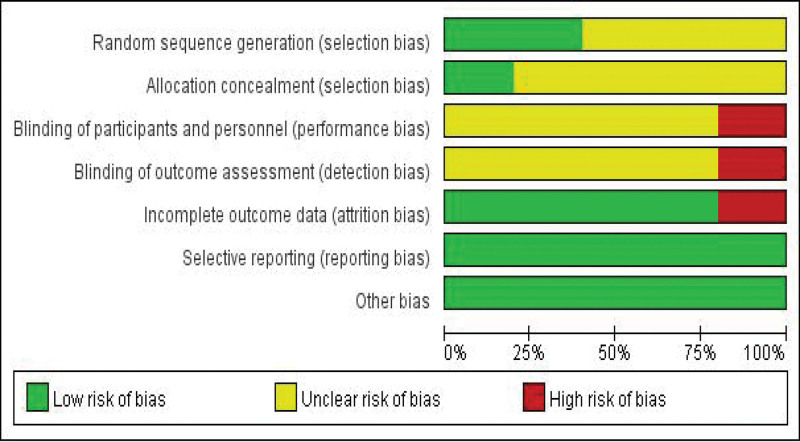
The databases of Pubmed, Embase, Cochrane Library, CNKI, and Wan fang were systematically searched by computer, and the search period was from the establishment of the databases until January 2022. To collect the trials of RTX in the treatment of NMOSDs, two researchers completed literature screening, quality assessment, and data extraction independently. Statistical analysis was performed using Review Manager 5.3 and Stata 15.1 software.
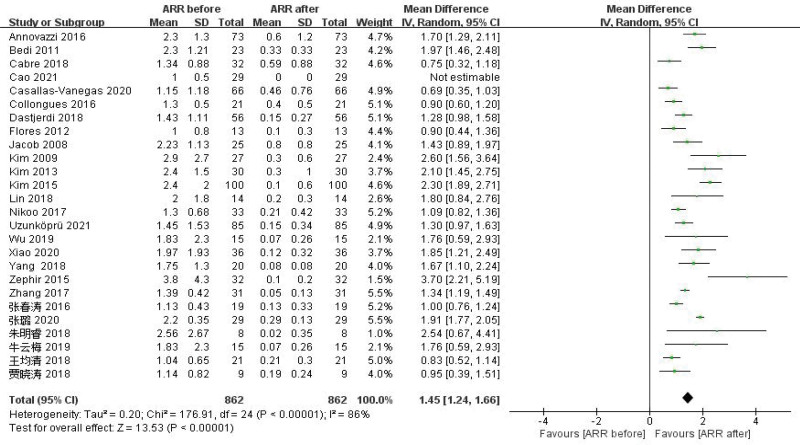
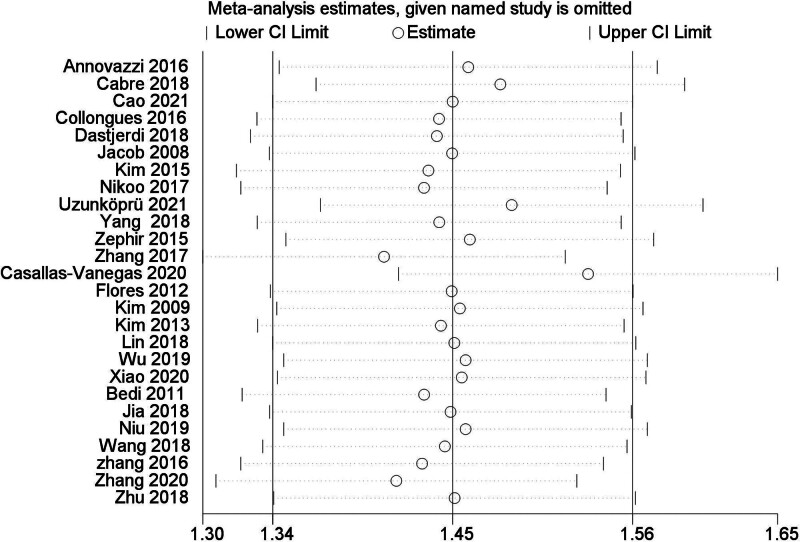
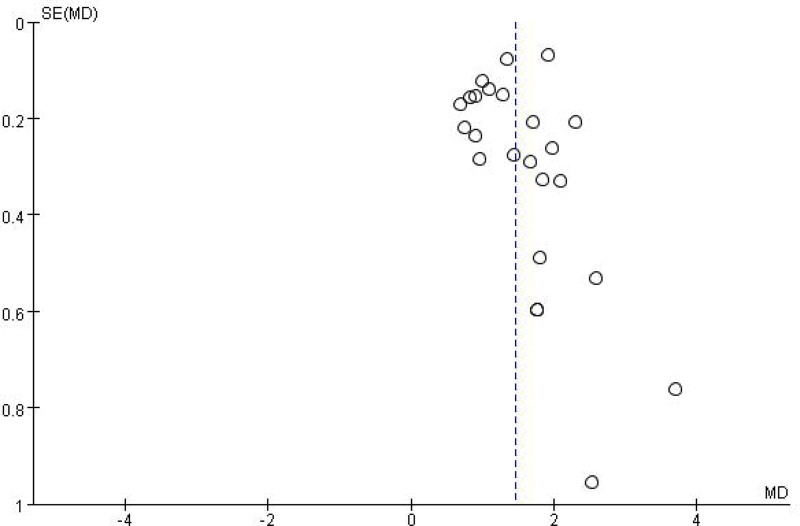
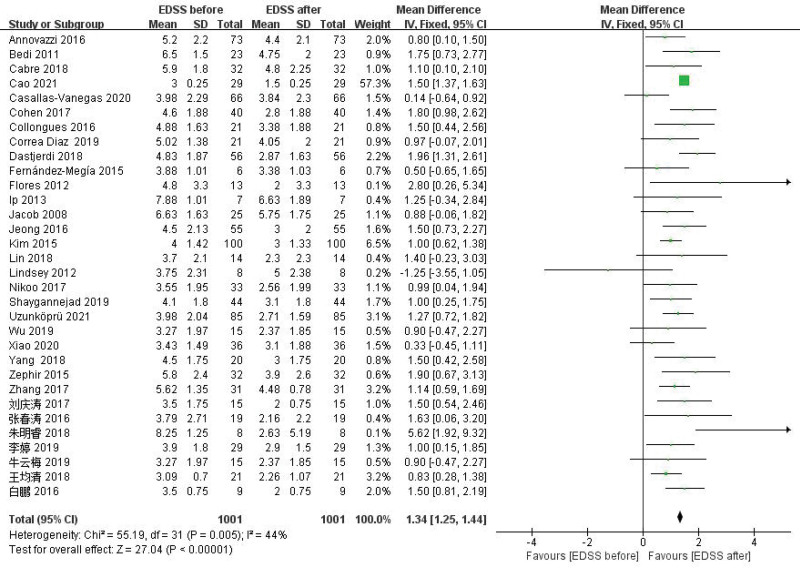
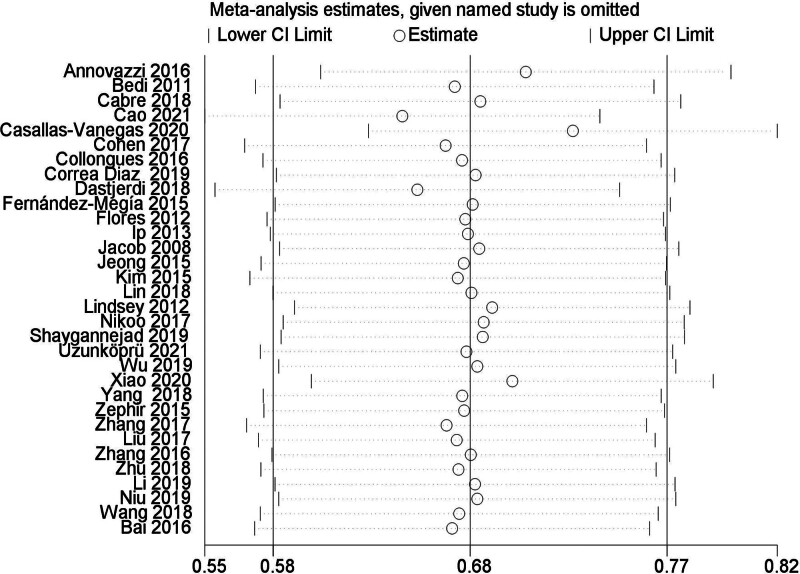
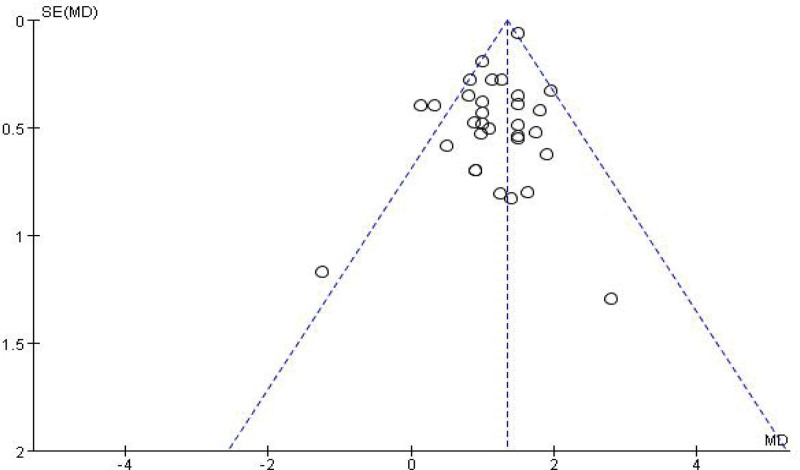
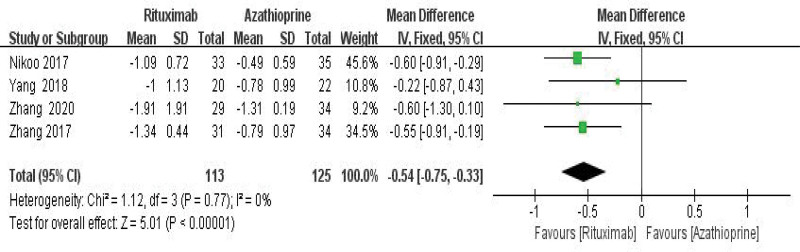
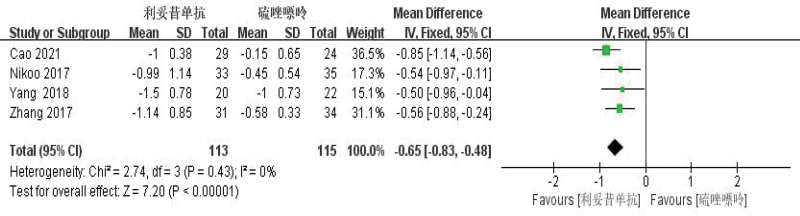
There were 37 studies in the meta-analysis, including 5 randomized controlled trials (RCTs) and 32 observational studies. Meta-analysis results revealed that NMOSDs patients treated with RTX significantly reduced the annualized relapse rate (ARR) (weighted mean difference [WMD] = 1.45, 95% confidence interval [CI]: 1.24-1.66, P < .01) and the Expanded disability status scale (EDSS) scores (WMD = 1.34, 95%CI: 1.25-1.44, P < .01). RTX is more effective than azathioprine (AZA) in the treatment of NMOSDs (ARR: WMD = -0.54, 95% CI: -0.75 to -0.33; EDSS: WMD = -0.65, 95% CI: -0.83 to -0.48; P < .0001).There was no difference in ARR and EDSS scores between anti-aquapor in-4-antibody seropositive NMOSD and seronegative NMOSD patients treated with RTX (ARR: WMD = -0.01, 95% CI: -0.25 to 0.24, P = .96 > 0.05; EDSS: WMD = 0, 95% CI: -0.30 to 0.31, P = .99 > 0.05). In this study, 681 patients were recorded safety data of RTX therapy, 23% (156 patients) had adverse events, and 0.7% (5 patients) of NMOSDs discontinued due to severe adverse reactions.
NMOSDs patients treated with RTX can significantly reduce the relapse frequency and EDSS scores, and also improve neurological dysfunction, besides the efficacy is better than azathioprine. RTX has a high incidence of adverse reactions, which are mild and with certain self limited, it should be cautious in clinical medication.
评估利妥昔单抗(RTX)治疗视神经脊髓炎谱系疾病(NMOSD)的疗效和安全性,并为临床用药提供指导。
计算机系统检索 Pubmed、Embase、Cochrane Library、CNKI 和万方数据库,检索时间自建库至 2022 年 1 月。收集 RTX 治疗 NMOSD 的临床试验,由 2 名研究者独立完成文献筛选、质量评价和数据提取。采用 Review Manager 5.3 和 Stata 15.1 软件进行统计分析。
共纳入 37 项研究,包括 5 项随机对照试验(RCT)和 32 项观察性研究。Meta 分析结果显示,RTX 治疗 NMOSD 患者的年复发率(ARR)明显降低[加权均数差(WMD)=1.45,95%置信区间(CI):1.24-1.66,P<.01],扩展残疾状况量表(EDSS)评分也降低[WMD=1.34,95%CI:1.25-1.44,P<.01]。RTX 治疗 NMOSD 比硫唑嘌呤(AZA)更有效[ARR:WMD=-0.54,95%CI:-0.75 至-0.33;EDSS:WMD=-0.65,95%CI:-0.83 至-0.48;P<.0001]。RTX 治疗抗水通道蛋白 4 抗体阳性 NMOSD 和阴性 NMOSD 患者的 ARR 和 EDSS 评分无差异[ARR:WMD=-0.01,95%CI:-0.25 至 0.24,P=0.96>.05;EDSS:WMD=0,95%CI:-0.30 至 0.31,P=0.99>.05]。本研究共纳入 681 例 RTX 治疗的安全性数据,23%(156 例)发生不良反应,0.7%(5 例)因严重不良反应而停止 NMOSD 治疗。
RTX 治疗 NMOSD 患者可显著降低复发频率和 EDSS 评分,改善神经功能障碍,且疗效优于硫唑嘌呤。RTX 不良反应发生率较高,但均为轻中度,具有一定自限性,临床用药需谨慎。