Muñoz-Villagrán Claudia, Grossolli-Gálvez Jonnathan, Acevedo-Arbunic Javiera, Valenzuela Ximena, Ferrer Alonso, Díez Beatriz, Levicán Gloria
Departamento de Biología, Facultad de Química y Biología, Universidad de Santiago de Chile (USACH), Santiago, Chile.
Programa de Biorremediación, Campus Patagonia, Universidad Austral de Chile, Valdivia, Chile.
Front Microbiol. 2022 Aug 24;13:960324. doi: 10.3389/fmicb.2022.960324. eCollection 2022.
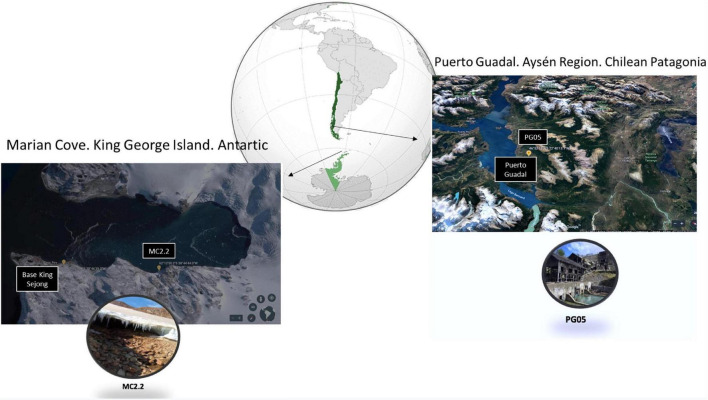
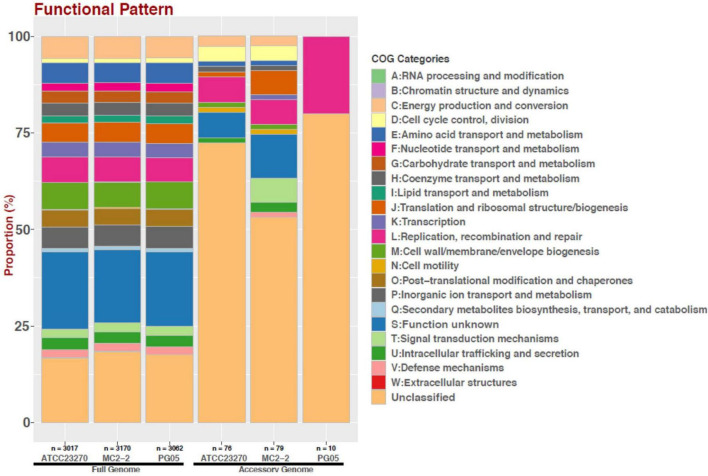
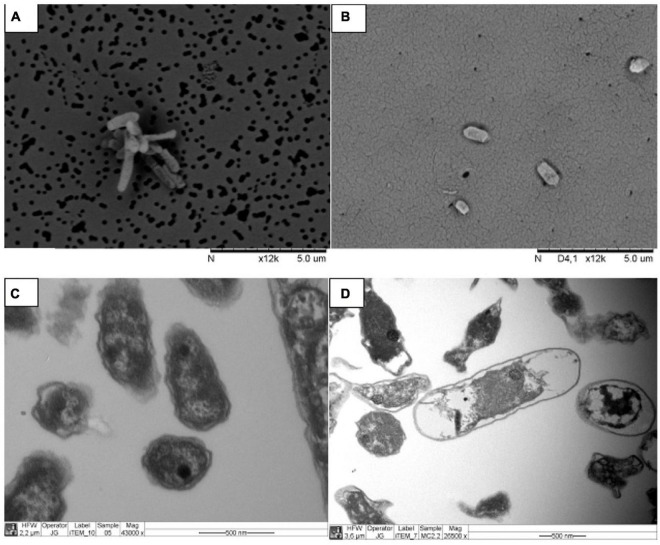
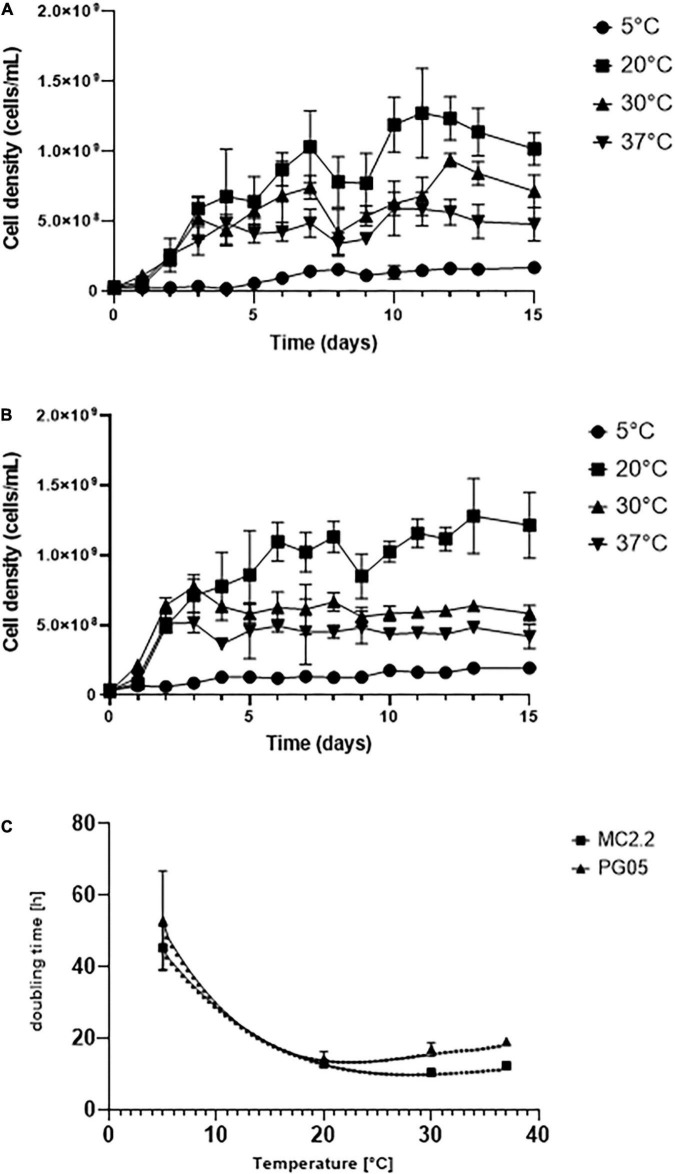
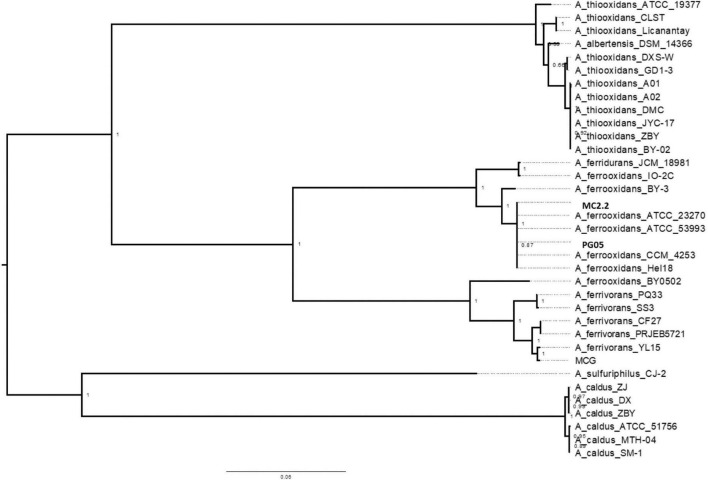
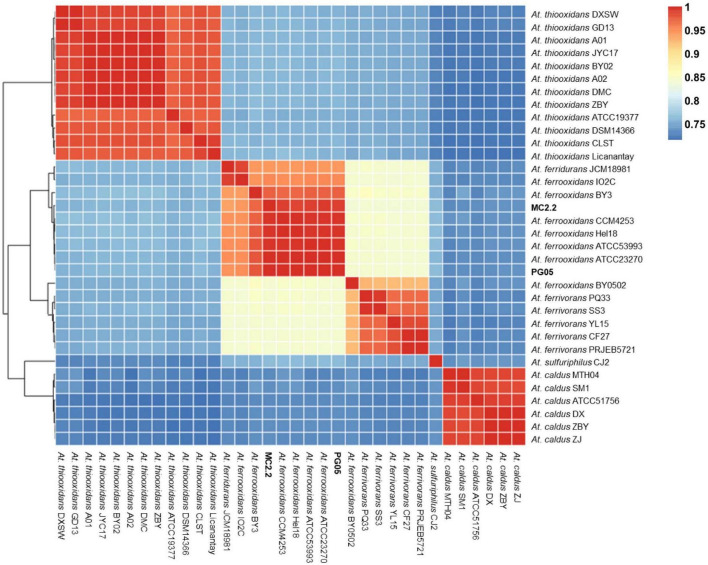
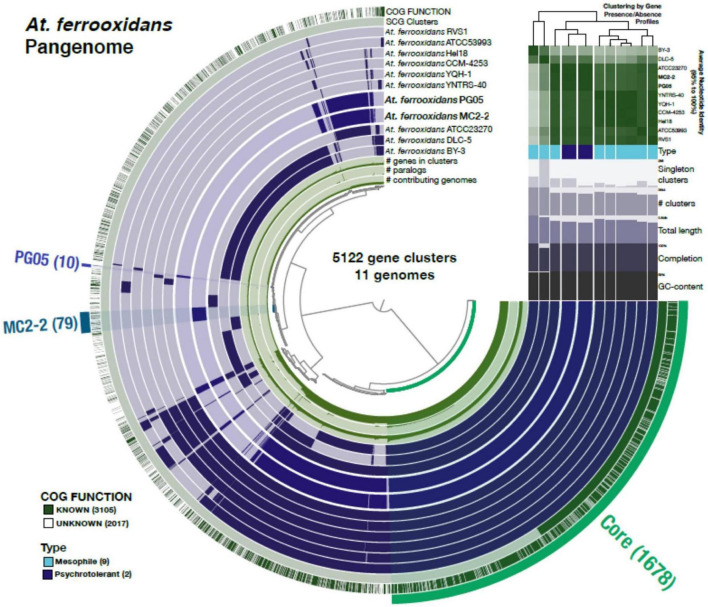
The bioleaching process is carried out by aerobic acidophilic iron-oxidizing bacteria that are mainly mesophilic or moderately thermophilic. However, many mining sites are located in areas where the mean temperature is lower than the optimal growth temperature of these microorganisms. In this work, we report the obtaining and characterization of two psychrotolerant bioleaching bacterial strains from low-temperature sites that included an abandoned mine site in Chilean Patagonia (PG05) and an acid rock drainage in Marian Cove, King George Island in Antarctic (MC2.2). The PG05 and MC2.2 strains showed significant iron-oxidation activity and grew optimally at 20°C. Genome sequence analyses showed chromosomes of 2.76 and 2.84 Mbp for PG05 and MC2.2, respectively, and an average nucleotide identity estimation indicated that both strains clustered with the acidophilic iron-oxidizing bacterium . The Patagonian PG05 strain had a high content of genes coding for tolerance to metals such as lead, zinc, and copper. Concordantly, electron microscopy revealed the intracellular presence of polyphosphate-like granules, likely involved in tolerance to metals and other stress conditions. The Antarctic MC2.2 strain showed a high dosage of genes for mercury resistance and low temperature adaptation. This report of cold-adapted cultures of the species opens novel perspectives to satisfy the current challenges of the metal bioleaching industry.
生物浸出过程由主要为嗜温或中度嗜热的好氧嗜酸铁氧化细菌进行。然而,许多矿区位于平均温度低于这些微生物最佳生长温度的地区。在这项工作中,我们报告了从低温地点获得并表征了两种耐冷生物浸出细菌菌株,其中包括智利巴塔哥尼亚的一个废弃矿场(PG05)和南极乔治王岛玛丽安湾的一个酸性岩石排水区(MC2.2)。PG05和MC2.2菌株表现出显著的铁氧化活性,在20°C时生长最佳。基因组序列分析表明,PG05和MC2.2的染色体分别为2.76和2.84 Mbp,平均核苷酸同一性估计表明这两种菌株与嗜酸铁氧化细菌聚集在一起。巴塔哥尼亚的PG05菌株含有大量编码对铅、锌和铜等金属耐受性的基因。与此一致,电子显微镜显示细胞内存在多聚磷酸盐样颗粒,可能与对金属和其他应激条件的耐受性有关。南极的MC2.2菌株显示出高剂量的抗汞基因和低温适应性。该关于该物种冷适应培养物的报告为满足金属生物浸出行业当前的挑战开辟了新的前景。