Department of Hepatobiliary Pancreatic Surgery, The First People's Hospital of Qujing City, Yunnan Province (Qujing Hospital Affiliated to Kunming Medical University), Qujing 655000, China.
J Immunol Res. 2022 Aug 31;2022:9916228. doi: 10.1155/2022/9916228. eCollection 2022.
This study explored the colorectal cancer exosome lncRNA prostate cancer associated transcript 1- (PCAT1) mediated circulating tumors and the mechanism of cell colorectal cancer liver metastasis.
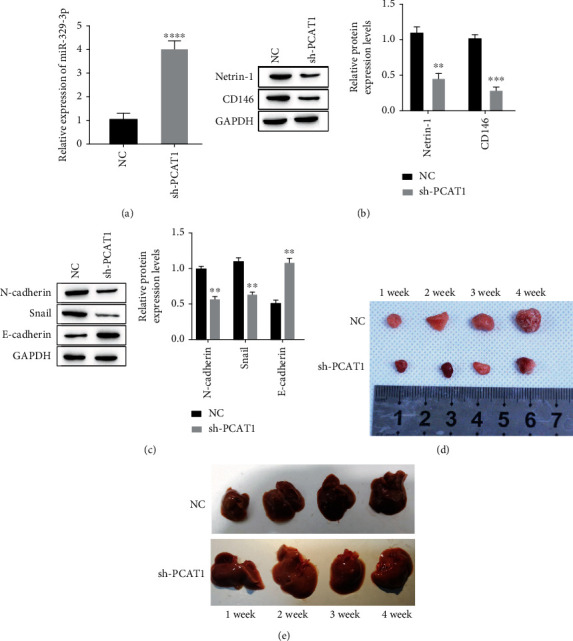
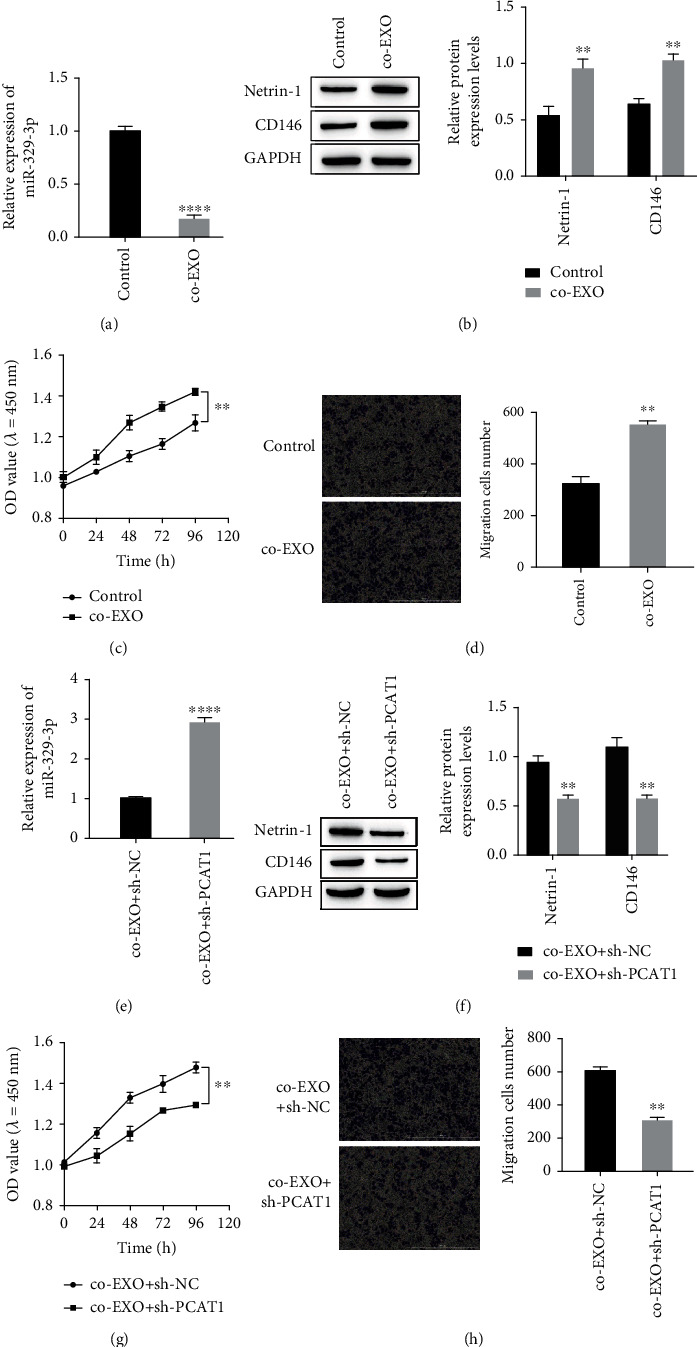
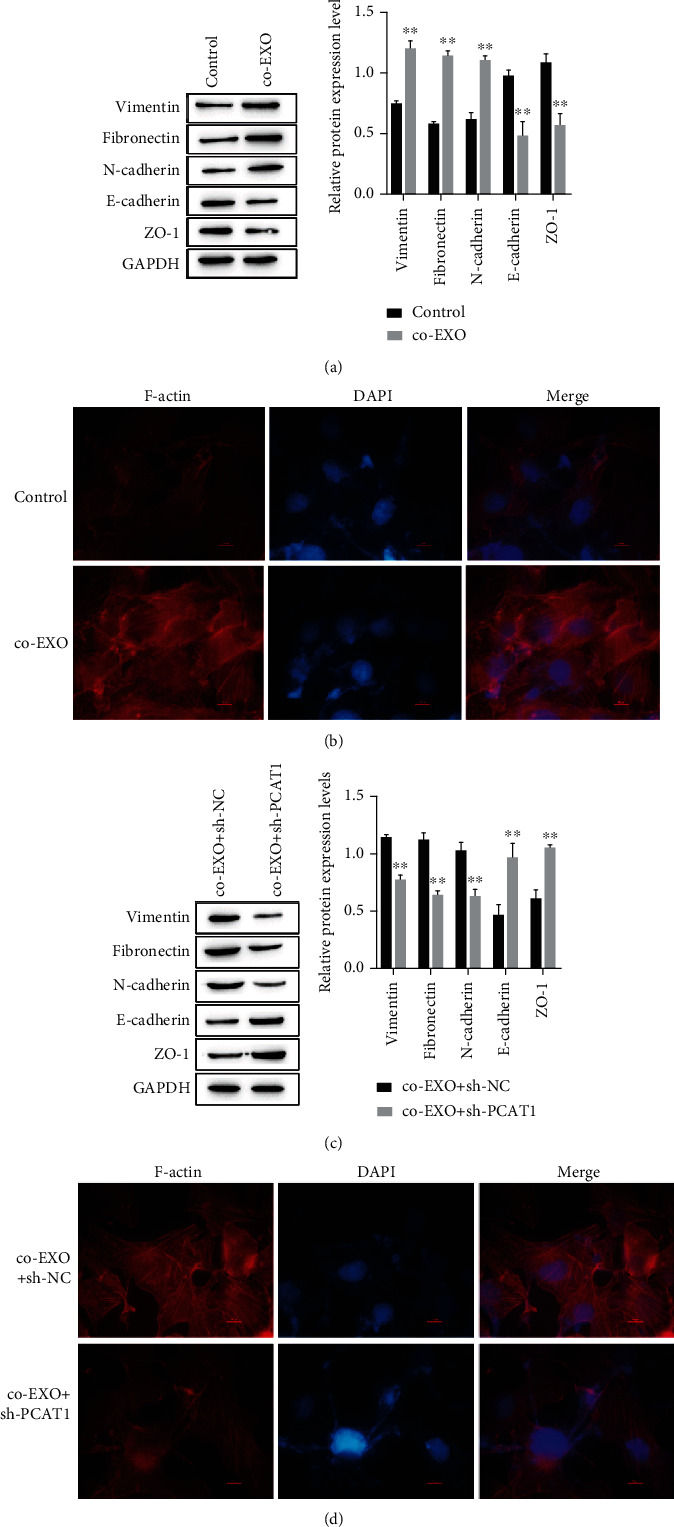
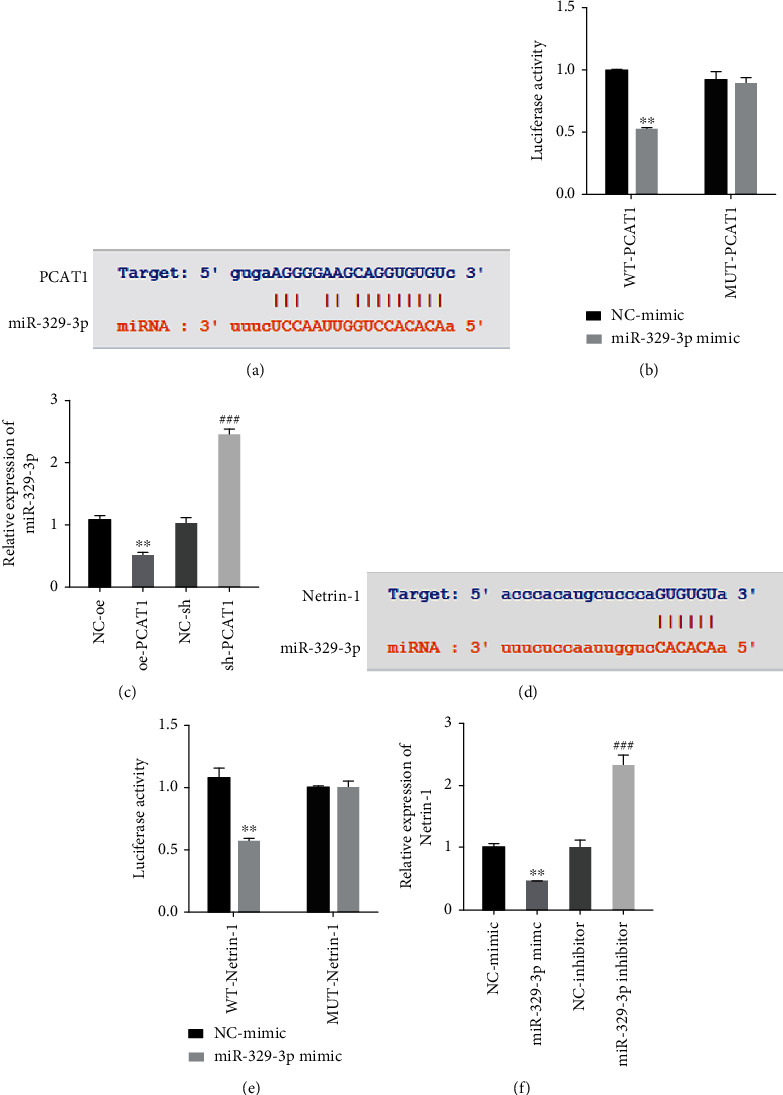
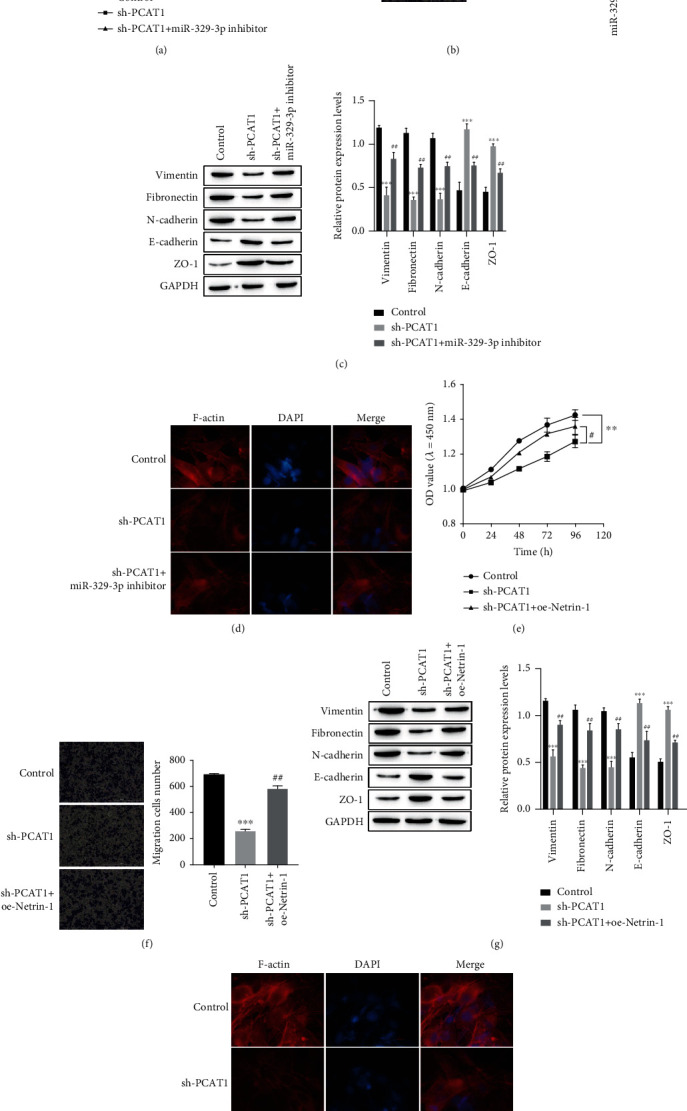
Exosomes were extracted from the primary colorectal cancer (CRC) cell lines HCT116 and SW480 and cultured with T84 and human umbilical vein endothelial (HUVE) cells. The expression of PCAT1 and miR-329-3p was detected by real-time quantitative polymerase chain reaction (RT-qPCR), the expression of Netrin-1, CD146, and epithelial mesenchymal transition (EMT) related proteins was detected by Western blot, the proliferation activity of T84 cells was detected by cell counting kit 8 (CCK-8), and cell migration was detected by Transwell. The expression of the F-actin signal was detected by immunofluorescence after coculture of exosomes with human umbilical vein endothelial cells (HUVECs). Changes in subcutaneous tumor and liver nodule size after PCAT1 deletion were observed in a mouse model of liver metastasis from rectal cancer.
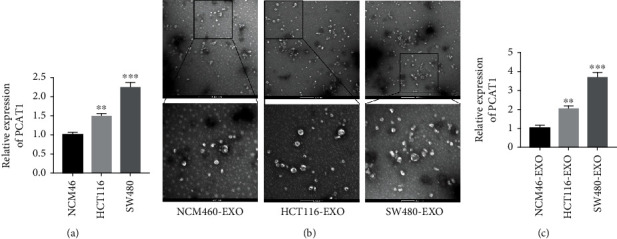
PCAT1 expression was upregulated in primary cell lines and their exosomes. After exosomes were cocultured with colorectal cancer tumor circulating T84 cells, the expression of Netrin-1 and CD146 was upregulated, the expression of miR-329-3p was downregulated, the proliferation and migration ability of T84 cells were enhanced, and EMT occurred. After knocking down PCAT1, the above phenomenon was reversed. Similarly, after exosomes were cocultured with HUVECs, the expression of the F-actin signal increased, and after PCAT1 was knocked down, the F-actin signal also decreased. PCAT1 regulates miR-329-3p/Netrin-1 and affects the biological behavior of T84 and F-actin signal expression in HUVECs. In a mouse model of colorectal cancer liver metastasis, knocking down PCAT1 significantly reduced the nodules formed by liver metastasis in mice.
LncRNA PCAT1 derived from colorectal cancer exosomes regulates the activity of the Netrin-1-CD146 complex in circulating tumor cells (CTCs) to promote the occurrence of colorectal cancer EMT and liver metastasis and provides new molecular targets for the treatment of colorectal cancer liver metastasis.
本研究探讨了结直肠癌外泌体 lncRNA 前列腺癌相关转录本 1(PCAT1)介导的循环肿瘤及结直肠癌肝转移细胞的机制。
从原发性结直肠癌(CRC)细胞系 HCT116 和 SW480 中提取外泌体,并与 T84 和人脐静脉内皮(HUVE)细胞共培养。实时定量聚合酶链反应(RT-qPCR)检测 PCAT1 和 miR-329-3p 的表达,Western blot 检测 Netrin-1、CD146 和上皮间质转化(EMT)相关蛋白的表达,细胞计数试剂盒 8(CCK-8)检测 T84 细胞的增殖活性,Transwell 检测细胞迁移。共培养外泌体与人脐静脉内皮细胞(HUVEC)后,用免疫荧光法检测 F-肌动蛋白信号的变化。观察 PCAT1 缺失后直肠癌肝转移小鼠模型中皮下肿瘤和肝结节大小的变化。
PCAT1 在原代细胞系及其外泌体中表达上调。外泌体与结直肠癌细胞循环 T84 共培养后,Netrin-1 和 CD146 的表达上调,miR-329-3p 的表达下调,T84 细胞的增殖和迁移能力增强,发生 EMT。敲低 PCAT1 后,上述现象得到逆转。同样,外泌体与 HUVEC 共培养后,F-肌动蛋白信号表达增加,敲低 PCAT1 后,F-肌动蛋白信号也减少。PCAT1 调节 miR-329-3p/Netrin-1,影响 T84 和 HUVEC 中 F-肌动蛋白信号表达的生物学行为。在结直肠癌肝转移的小鼠模型中,敲低 PCAT1 显著减少了小鼠肝转移形成的结节。
结直肠癌外泌体衍生的 lncRNA PCAT1 调节循环肿瘤细胞(CTCs)中 Netrin-1-CD146 复合物的活性,促进结直肠癌 EMT 和肝转移的发生,为结直肠癌肝转移的治疗提供了新的分子靶点。