Division of Environmental Health Sciences, College of Public Health, The Ohio State University, Columbus, OH, USA; Environmental Sciences Graduate Program, The Ohio State University, Columbus, OH, USA.
Environmental Sciences Graduate Program, The Ohio State University, Columbus, OH, USA.
Environ Res. 2022 Dec;215(Pt 2):114290. doi: 10.1016/j.envres.2022.114290. Epub 2022 Sep 9.
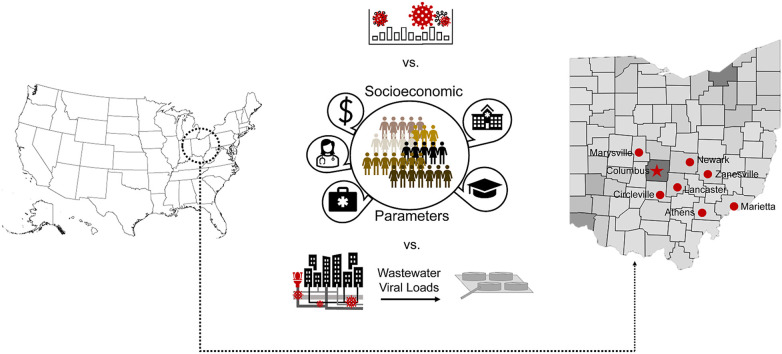
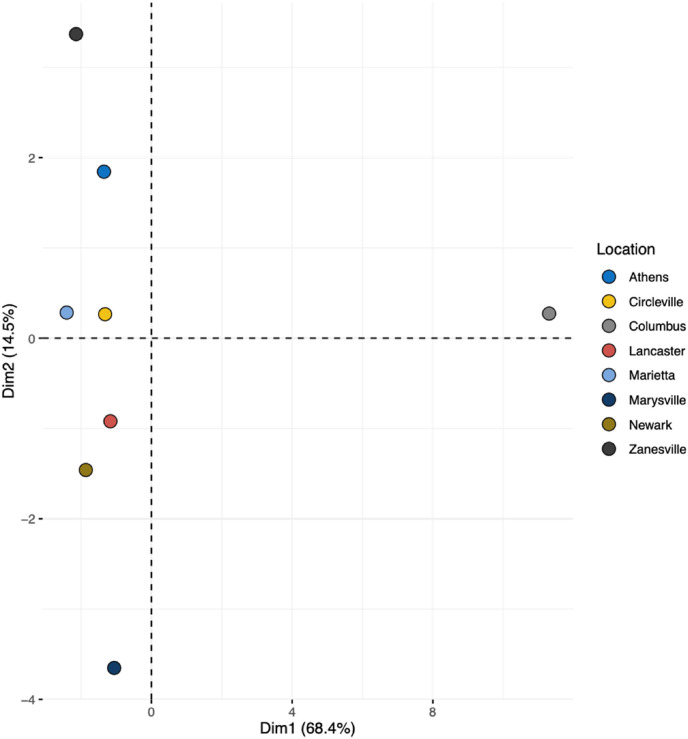
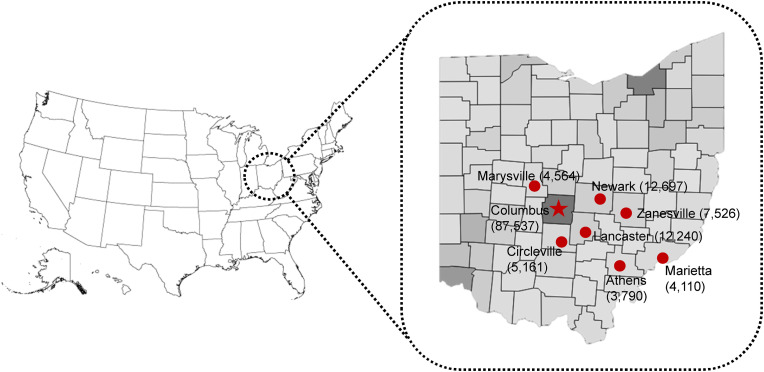
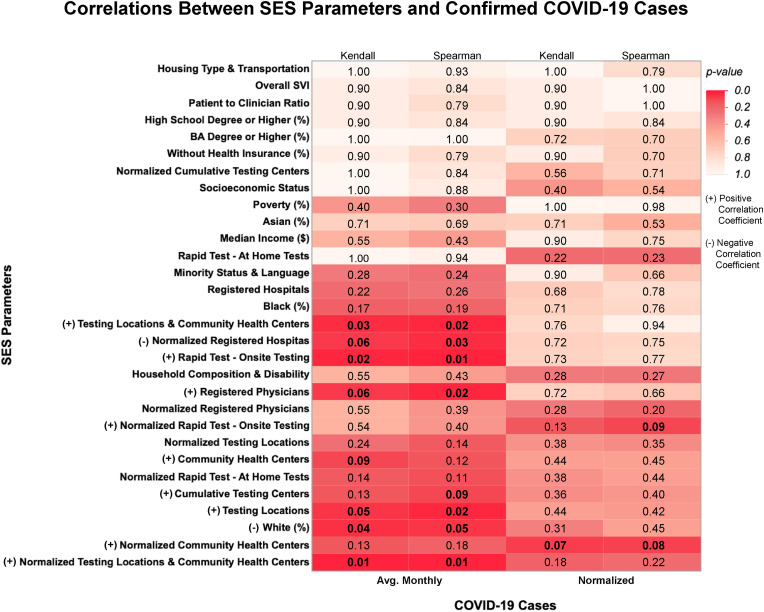
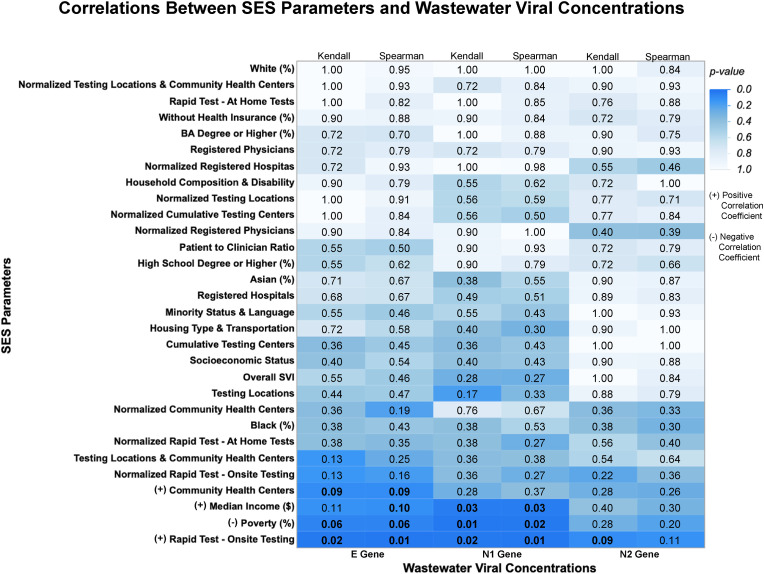
Over two years into the COVID-19 pandemic, it is apparent that some populations across the world are more susceptible than others to SARS-CoV-2 infection and spread. Understanding how populations with varying demographic patterns are impacted by COVID-19 may highlight which factors are most important in targeting to combat global suffering. The first objective of this study was to investigate the association of various socioeconomic status (SES) parameters and confirmed COVID-19 cases in the state of Ohio, USA. This study examines the largest and capital city of Ohio (Columbus) and various small-medium-sized communities. The second objective was to determine the relationship between SES parameters and community-level SARS-CoV-2 concentrations using municipal wastewater samples from each city's respective wastewater treatment plants from August 2020 to January 2021. SES parameters include population size, median income, poverty, race/ethnicity, education, health care access, types of COVID-19 testing sites, and social vulnerability index. Statistical analysis results show that confirmed (normalized and/or non-normalized) COVID-19 cases were negatively associated with White percentage and registered hospitals, and positively associated with registered physicians and various COVID-19 testing sites. Wastewater viral concentrations were negatively associated with poverty, and positively associated with median income, community health centers, and onsite rapid testing locations. Additional analyses conclude that population is a significant factor in determining COVID-19 cases and SARS-CoV-2 wastewater concentrations. Results indicate that community healthcare parameters relate to a negative health outcome (COVID-19) and that demographic parameters can be associated with community-level SARS-CoV-2 wastewater concentrations. As the first study that examines the association between socioeconomic parameters and SARS-CoV-2 wastewater concentrations as well as confirmed COVID-19 cases, it is apparent that social determinants have an impact in determining the health burden of small-medium sized Ohioan cities. This study design and innovative approach are scalable and applicable for endemic and pandemic surveillance across the world.
在 COVID-19 大流行两年多后,很明显,世界上某些人群比其他人群更容易感染 SARS-CoV-2 并传播。了解具有不同人口结构的人群如何受到 COVID-19 的影响,可能会突出哪些因素在针对全球苦难的目标中最重要。本研究的首要目标是调查美国俄亥俄州各种社会经济地位(SES)参数与确诊 COVID-19 病例之间的关联。本研究考察了俄亥俄州最大和首府城市(哥伦布)以及各种中小规模社区。第二个目标是确定 SES 参数与社区级 SARS-CoV-2 浓度之间的关系,方法是使用每个城市各自废水处理厂的市政废水样本,时间范围为 2020 年 8 月至 2021 年 1 月。SES 参数包括人口规模、中位数收入、贫困、种族/族裔、教育、医疗保健机会、COVID-19 检测点类型和社会脆弱性指数。统计分析结果表明,确诊(标准化和/或非标准化)COVID-19 病例与白人比例和注册医院呈负相关,与注册医生和各种 COVID-19 检测点呈正相关。废水病毒浓度与贫困呈负相关,与中位数收入、社区卫生中心和现场快速检测点呈正相关。进一步分析得出结论,人口是确定 COVID-19 病例和 SARS-CoV-2 废水浓度的重要因素。结果表明,社区医疗参数与负面健康结果(COVID-19)相关,而人口统计参数与社区级 SARS-CoV-2 废水浓度相关。作为第一项研究,本研究调查了社会经济参数与 SARS-CoV-2 废水浓度以及确诊 COVID-19 病例之间的关联,显然,社会决定因素对确定俄亥俄州中小城市的健康负担有影响。这种研究设计和创新方法具有可扩展性,适用于全球的地方性和大流行监测。