Shefa Neuroscience Research Center, Khatam Alanbia Hospital, Tehran, Iran.
School of Medicine, Iran University of Medical Sciences, Tehran, Iran.
Immunol Res. 2022 Dec;70(6):752-764. doi: 10.1007/s12026-022-09316-6. Epub 2022 Sep 13.
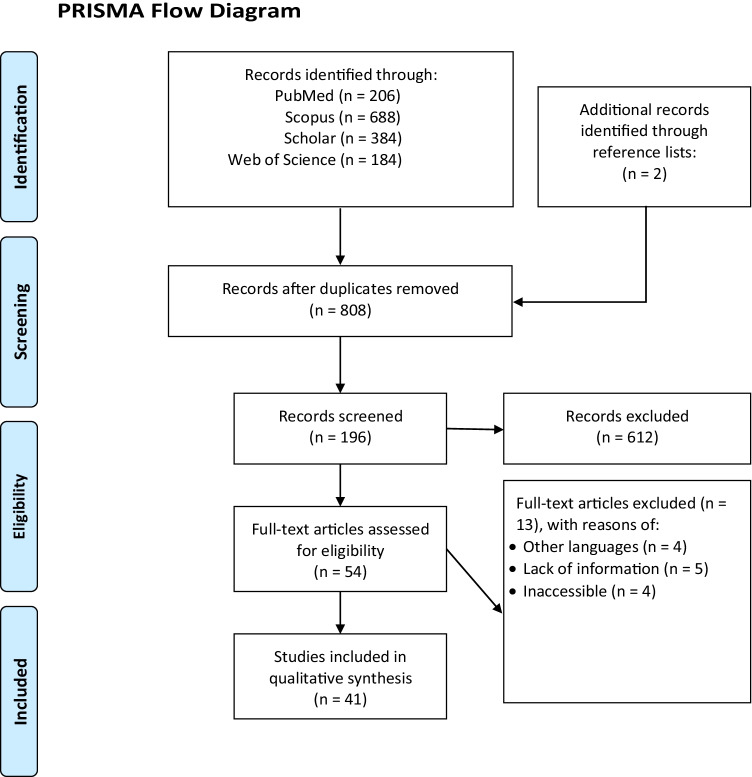
Since the beginning of worldwide vaccination against coronavirus disease 2019 (COVID-19), studies have reported a possible association between vaccination and Guillain-Barré syndrome (GBS). In this regard, we conducted a systematic review assessing different demographic, clinical, and neurophysiological aspects of patients with GBS following immunization with COVID-19 vaccines. A comprehensive search of PubMed, Web of Science, Scopus, and Google Scholar was performed. Articles in English between January 2020 and November 2021 were included. Data on demographics, clinical characteristics, vaccines information, treatment approaches, and outcomes were extracted. The data of a total of 88 patients out of 41 studies was included. The mean age of patients was 58.7 ± 16.6 years and 55 cases (62.5%) were male. AstraZeneca was the most-reported vaccine associated with GBS with 52 cases (59.1%) followed by Pfizer with 20 cases (22.7%). GBS occurred after the first dose of vaccination in 70 cases (79.5%). The mean time interval between vaccination and symptom onset was 13.9 ± 7.4 days. Limb weakness (47.7%), sensory disturbance (38.6%), and facial weakness (27.3%) were the most common reported symptoms, respectively. Albuminocytologic dissociation was seen in 65% of patients who underwent lumbar puncture (n = 65). Acute inflammatory demyelinating polyradiculopathy was the most common GBS subtype, which was reported in 38 patients (43.2%). While one-fifth of patients underwent intubation (n = 17), a favorable outcome was achieved in the majority of subjects (n = 46, 63%). Overall, a small rise in GBS incidence, following various COVID-19 vaccines, was observed. Notably, 85% of affected individuals experienced at least a partial recovery.
自全球开展 2019 年冠状病毒病(COVID-19)疫苗接种以来,已有研究报告疫苗接种与吉兰-巴雷综合征(GBS)之间可能存在关联。在这方面,我们进行了一项系统评价,评估了接种 COVID-19 疫苗后发生 GBS 的患者的不同人口统计学、临床和神经生理学方面。全面检索了 PubMed、Web of Science、Scopus 和 Google Scholar。纳入了 2020 年 1 月至 2021 年 11 月期间发表的英文文章。提取了人口统计学、临床特征、疫苗信息、治疗方法和结局的数据。共纳入 41 项研究中的 88 例患者的数据。患者的平均年龄为 58.7±16.6 岁,55 例(62.5%)为男性。与 GBS 相关的最常见疫苗是阿斯利康,有 52 例(59.1%),其次是辉瑞,有 20 例(22.7%)。70 例(79.5%)在接种第一剂疫苗后出现 GBS。从接种到症状出现的平均时间间隔为 13.9±7.4 天。四肢无力(47.7%)、感觉障碍(38.6%)和面瘫(27.3%)是最常见的报告症状。接受腰椎穿刺的 65 例患者中(n=65)有 65%存在蛋白细胞分离。急性炎症性脱髓鞘性多神经根神经病是最常见的 GBS 亚型,38 例患者(43.2%)为该亚型。虽然有五分之一的患者(n=17)需要插管,但大多数患者(n=46,63%)结局良好。总体而言,观察到各种 COVID-19 疫苗接种后 GBS 发病率略有上升。值得注意的是,85%的受影响个体至少部分恢复。