Division of Pulmonary, Critical Care and Sleep Medicine, University of California San Diego, San Diego, CA, 92121, USA.
Division of Epidemiology and Data Science in Gerontology, Department of Aging and Geriatric Research, University of Florida College of Medicine, Gainesville, USA.
Sleep Breath. 2023 Jun;27(3):1057-1065. doi: 10.1007/s11325-022-02703-1. Epub 2022 Sep 13.
Obstructive sleep apnea (OSA) is underdiagnosed, partially from variable clinical presentations. Emphasis is often placed on Epworth Sleepiness Scale (ESS), a subjective measure of sleepiness, but variable in OSA. We hypothesized that daytime complaints measured with Language of Sleepiness Questionnaire (LOS) in OSA are not being captured by ESS.
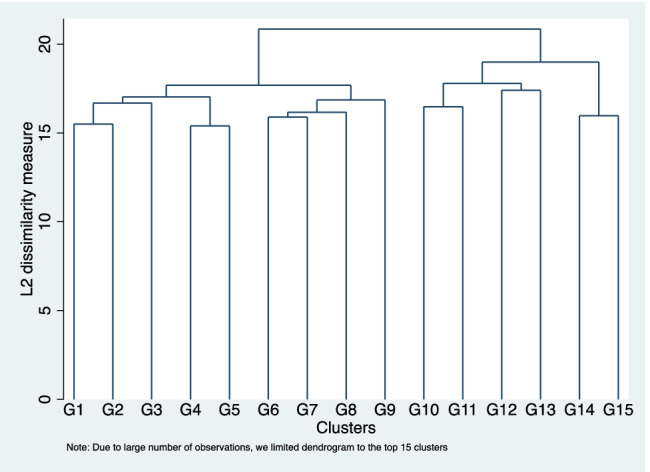
Adults referred to a tertiary sleep clinic undergoing sleep studies completed ESS and LOS questionnaires (20 items with various patient-reported descriptors). LOS was examined in patients who had or did not have OSA without sleepiness based on ESS < 10. Cluster analysis was performed to assess whether or not groups of individuals differed based on classification with or without OSA and with or without ESS-based sleepiness.
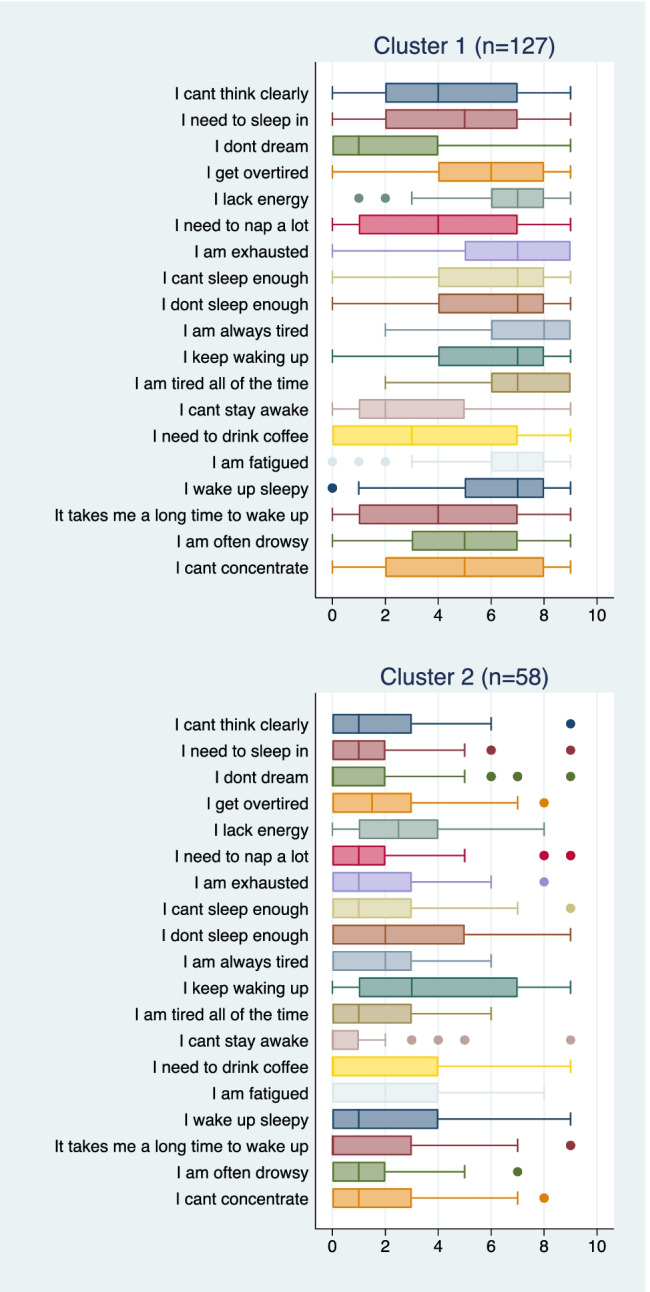
Approximately half the study population (n = 185 completed) had OSA. ESS score (mean ± SD) was 9.0 ± 5.4. There was no significant difference in ESS between patients with and without OSA (9.0 ± 5.1 vs 9.1 ± 5.7, p = 0.969). In patients with OSA, females, older patients and white patients were significantly less likely to have an ESS ≥ 10 when compared to patients with an ESS < 10. In patients with an ESS < 10, there were no significant differences in descriptors of sleepiness between patients with and without OSA with the most common descriptors selected being "I lack energy," "I wake up sleepy," "I keep waking up," and "I don't sleep enough."
The ESS failed to discriminate patients with OSA from those without OSA. Despite an ESS < 10, both daytime and sleep complaints using the LOS questionnaire were present in patients with OSA. Asymptomatic OSA may be less common than previously reported.
阻塞性睡眠呼吸暂停(OSA)诊断不足,部分原因是临床表现不同。人们通常强调嗜睡的 Epworth 睡眠量表(ESS),但在 OSA 中它的变异性较大。我们假设 OSA 患者使用嗜睡语言问卷(LOS)测量的日间症状并未被 ESS 捕捉到。
在进行睡眠研究时,被转诊至三级睡眠诊所的成年人完成了 ESS 和 LOS 问卷(20 项,有各种患者报告的描述符)。根据 ESS<10,对没有嗜睡的 OSA 患者和没有 OSA 的患者进行了 LOS 检查。聚类分析用于评估是否根据有无 OSA 和有无 ESS 嗜睡对个体进行分类,是否存在不同的群体。
大约一半的研究人群(n=185 人完成)患有 OSA。ESS 评分(平均值±标准差)为 9.0±5.4。有 OSA 和没有 OSA 的患者之间的 ESS 评分没有显著差异(9.0±5.1 与 9.1±5.7,p=0.969)。在 OSA 患者中,女性、年龄较大的患者和白人患者的 ESS≥10 的可能性明显低于 ESS<10 的患者。在 ESS<10 的患者中,有无 OSA 的患者在嗜睡描述符方面没有显著差异,选择的最常见描述符为“我缺乏能量”、“我醒来时很困”、“我一直醒来”和“我睡眠不足”。
ESS 未能区分有 OSA 和没有 OSA 的患者。尽管 ESS<10,但使用 LOS 问卷,OSA 患者都有日间和睡眠症状。无症状性 OSA 可能比以前报告的要少见。