Kimmel Center for Biology and Medicine at the Skirball Institute, New York University Grossman School of Medicine, New York, New York, United States of America.
Department of Microbiology, New York University Grossman School of Medicine, New York, New York, United States of America.
PLoS Biol. 2022 Sep 13;20(9):e3001754. doi: 10.1371/journal.pbio.3001754. eCollection 2022 Sep.
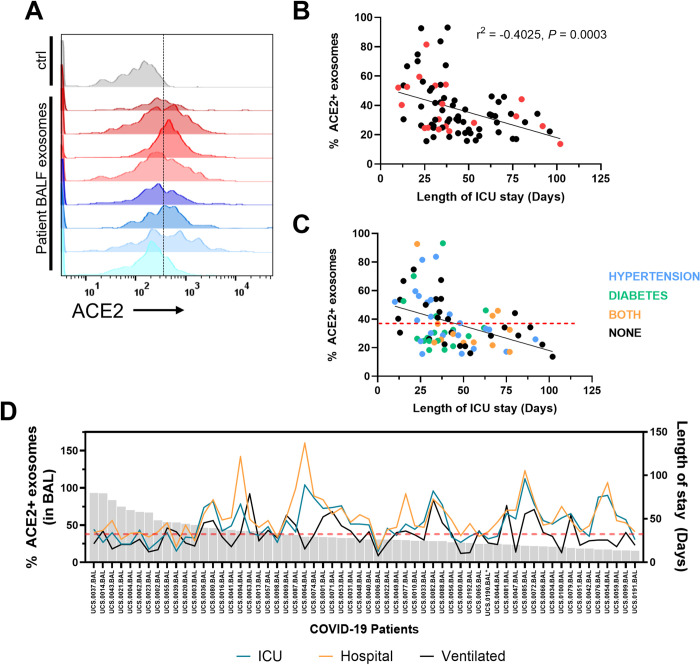
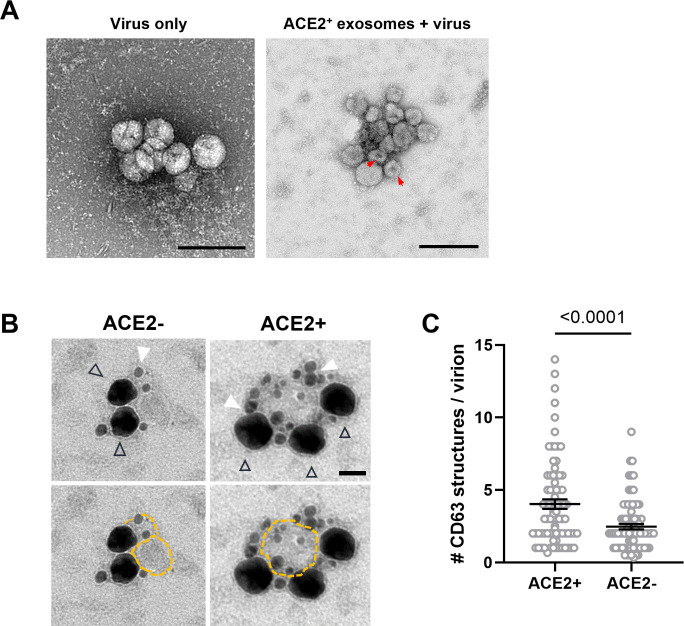
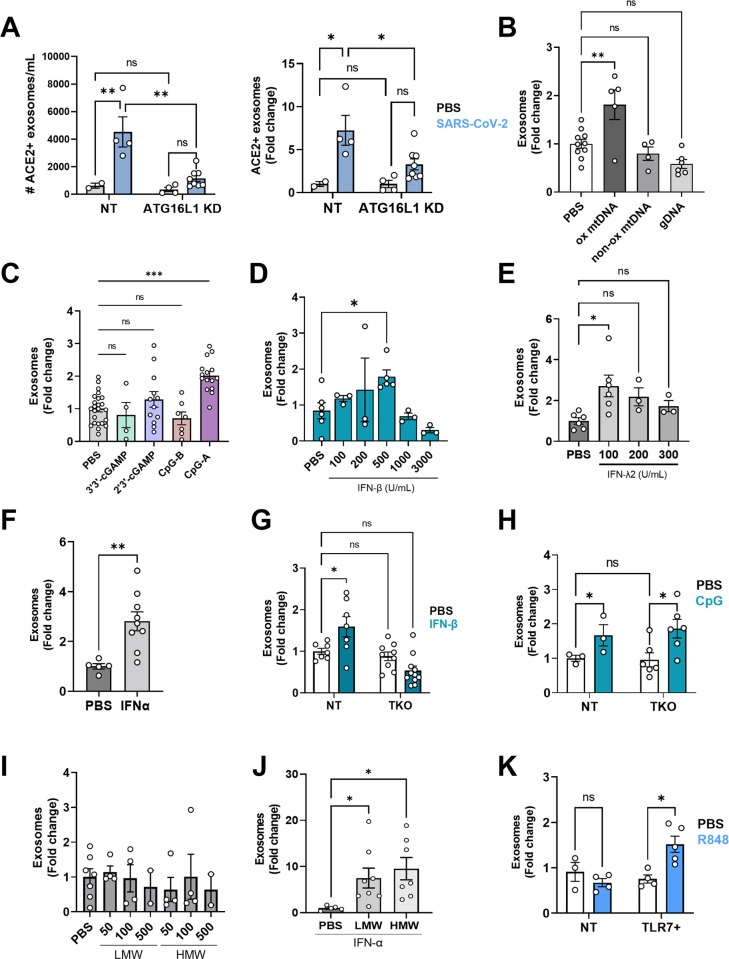
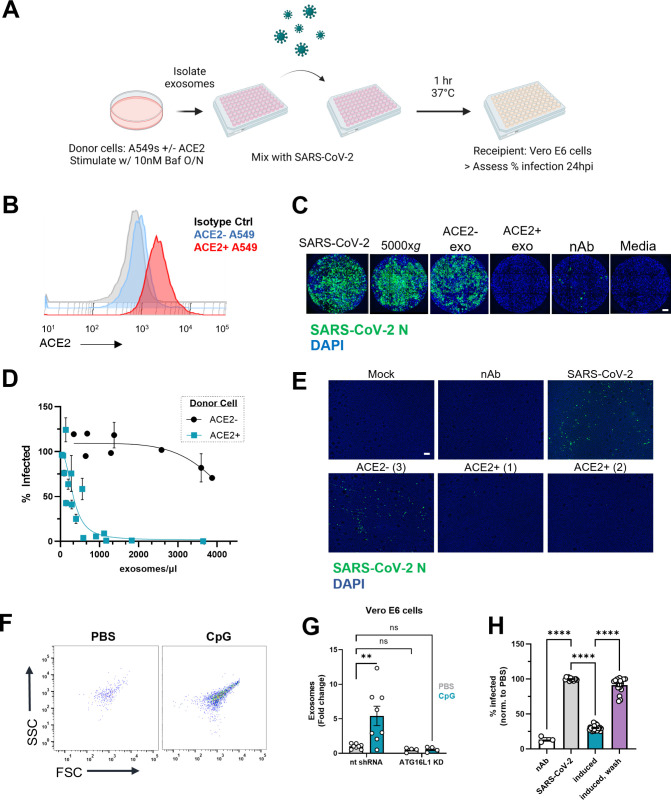
Extracellular vesicles of endosomal origin, exosomes, mediate intercellular communication by transporting substrates with a variety of functions related to tissue homeostasis and disease. Their diagnostic and therapeutic potential has been recognized for diseases such as cancer in which signaling defects are prominent. However, it is unclear to what extent exosomes and their cargo inform the progression of infectious diseases. We recently defined a subset of exosomes termed defensosomes that are mobilized during bacterial infection in a manner dependent on autophagy proteins. Through incorporating protein receptors on their surface, defensosomes mediated host defense by binding and inhibiting pore-forming toxins secreted by bacterial pathogens. Given this capacity to serve as decoys that interfere with surface protein interactions, we investigated the role of defensosomes during infection by Severe Acute Respiratory Syndrome Coronavirus 2 (SARS-CoV-2), the etiological agent of Coronavirus Disease 2019 (COVID-19). Consistent with a protective function, exosomes containing high levels of the viral receptor ACE2 in bronchoalveolar lavage fluid (BALF) from critically ill COVID-19 patients was associated with reduced intensive care unit (ICU) and hospitalization times. We found ACE2+ exosomes were induced by SARS-CoV-2 infection and activation of viral sensors in cell culture, which required the autophagy protein ATG16L1, defining these as defensosomes. We further demonstrate that ACE2+ defensosomes directly bind and block viral entry. These findings suggest that defensosomes may contribute to the antiviral response against SARS-CoV-2 and expand our knowledge on the regulation and effects of extracellular vesicles during infection.
内体来源的细胞外囊泡,外泌体,通过运输具有与组织稳态和疾病相关的各种功能的底物来介导细胞间通讯。它们在癌症等疾病中的诊断和治疗潜力已得到认可,在这些疾病中,信号缺陷很明显。然而,外泌体及其货物在多大程度上影响传染病的进展尚不清楚。我们最近定义了一个称为防御体的外泌体亚群,在细菌感染过程中,防御体以依赖自噬蛋白的方式被动员。通过在其表面结合蛋白受体,防御体通过结合和抑制细菌病原体分泌的孔形成毒素来介导宿主防御。鉴于这种作为干扰表面蛋白相互作用的诱饵的能力,我们研究了防御体在严重急性呼吸系统综合征冠状病毒 2(SARS-CoV-2)感染期间的作用,SARS-CoV-2 是 2019 年冠状病毒病(COVID-19)的病原体。与保护功能一致,来自 COVID-19 重症患者支气管肺泡灌洗液(BALF)中含有高水平病毒受体 ACE2 的外泌体与减少重症监护病房(ICU)和住院时间有关。我们发现 SARS-CoV-2 感染和细胞培养中病毒传感器的激活诱导了 ACE2+外泌体,这需要自噬蛋白 ATG16L1,将其定义为防御体。我们进一步证明 ACE2+防御体直接结合并阻止病毒进入。这些发现表明防御体可能有助于针对 SARS-CoV-2 的抗病毒反应,并扩展了我们对感染期间细胞外囊泡的调节和作用的认识。