Manchado-Gobatto Fúlvia Barros, Torres Ricardo Silva, Marostegan Anita Brum, Rasteiro Felipe Marroni, Hartz Charlini Simoni, Moreno Marlene Aparecida, Pinto Allan Silva, Gobatto Claudio Alexandre
Laboratory of Applied Sport Physiology, School of Applied Sciences, University of Campinas, Limeira 13484-350, Brazil.
Department of ICT and Natural Sciences, Norwegian University of Science and Technology, 6009 Ålesund, Norway.
Biology (Basel). 2022 Jun 25;11(7):963. doi: 10.3390/biology11070963.
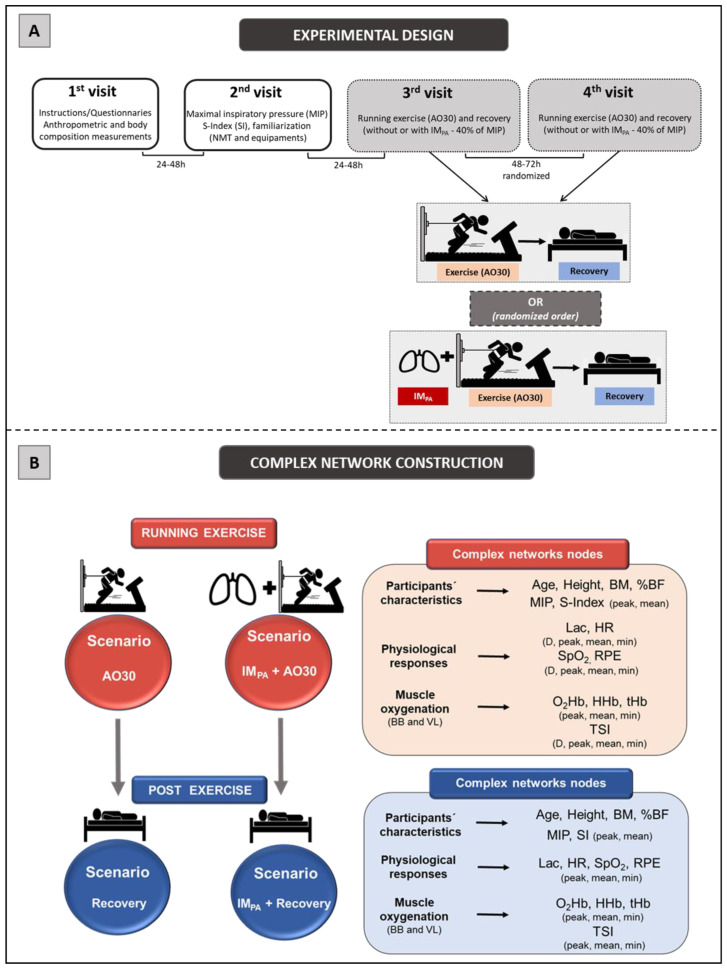
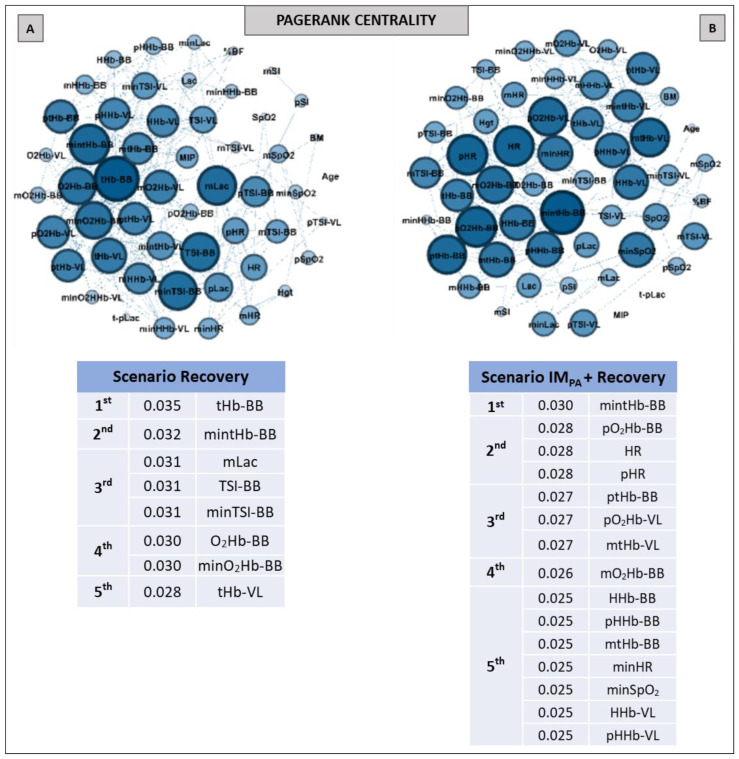
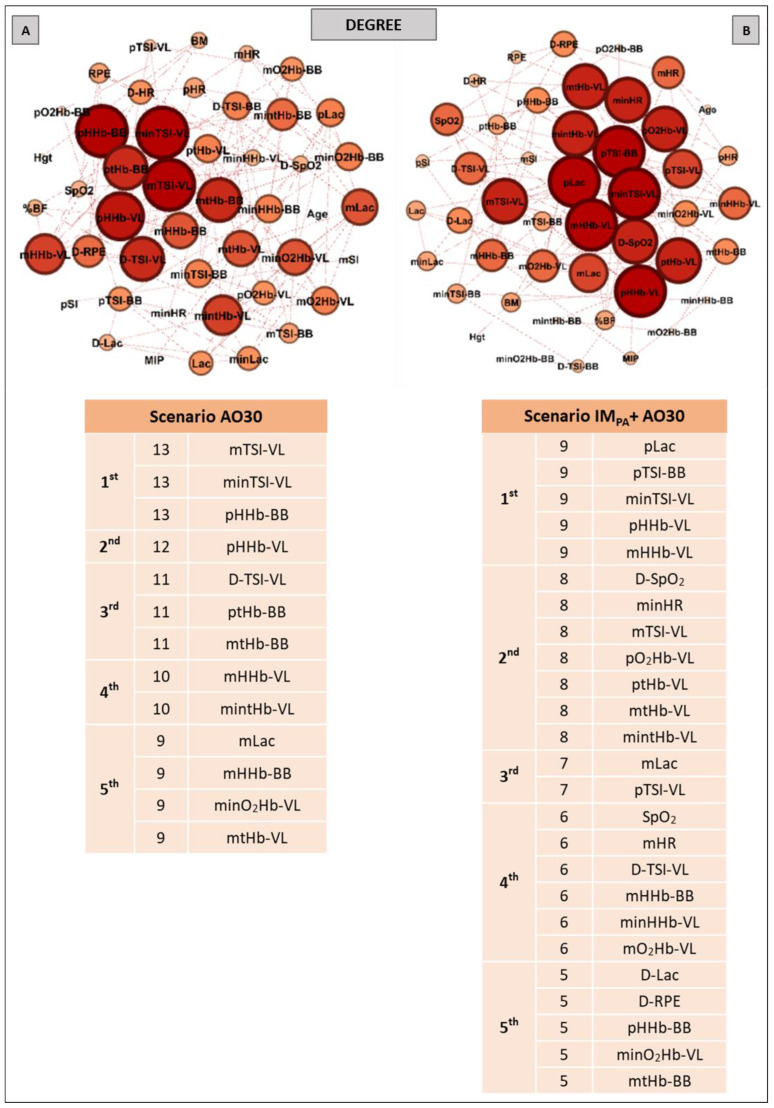
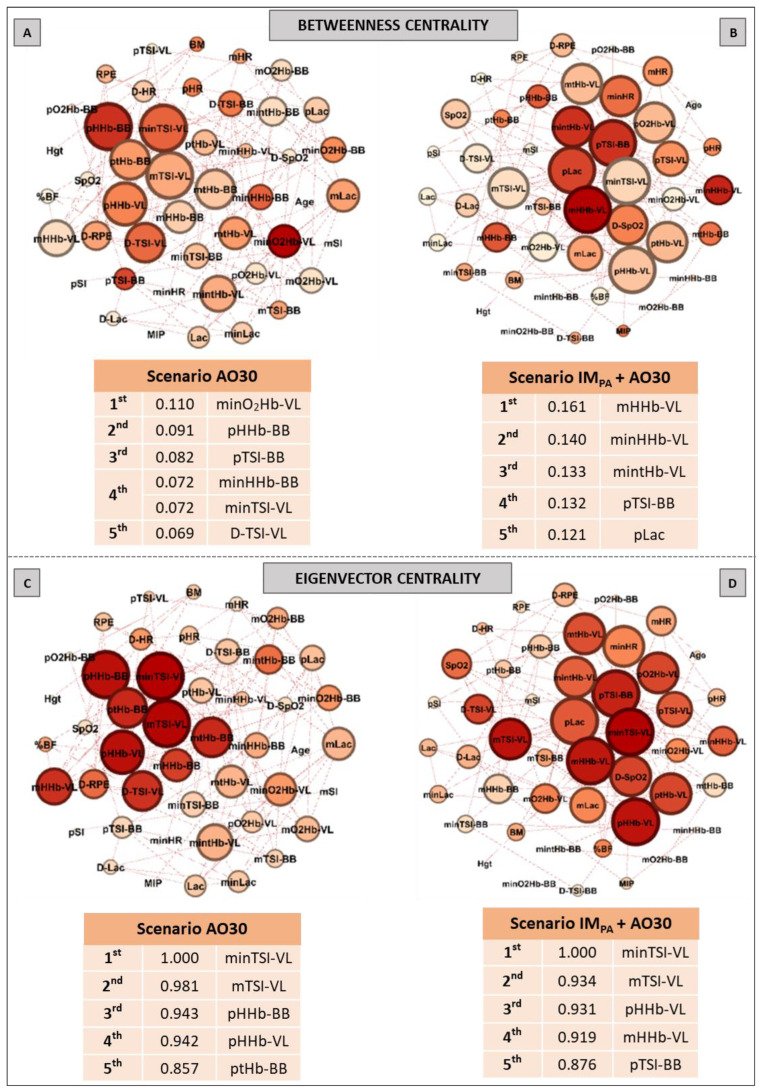
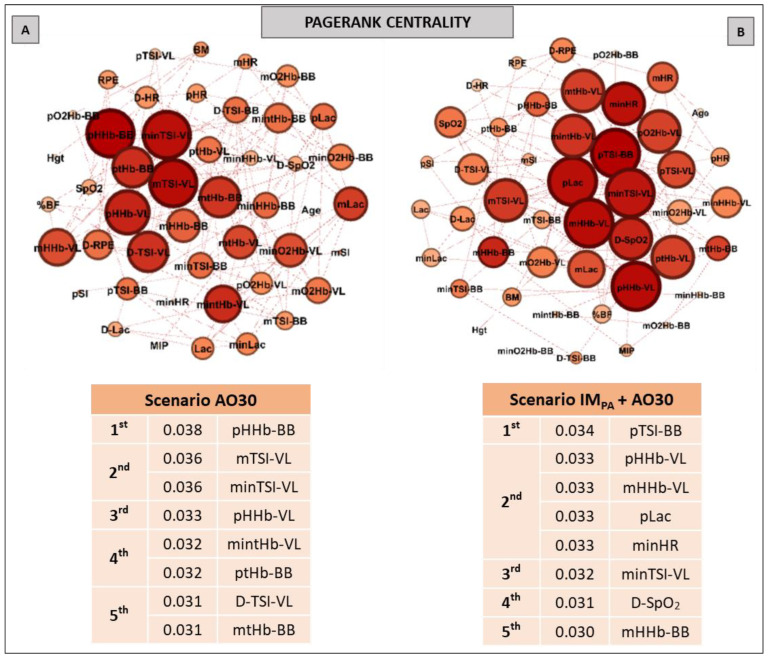
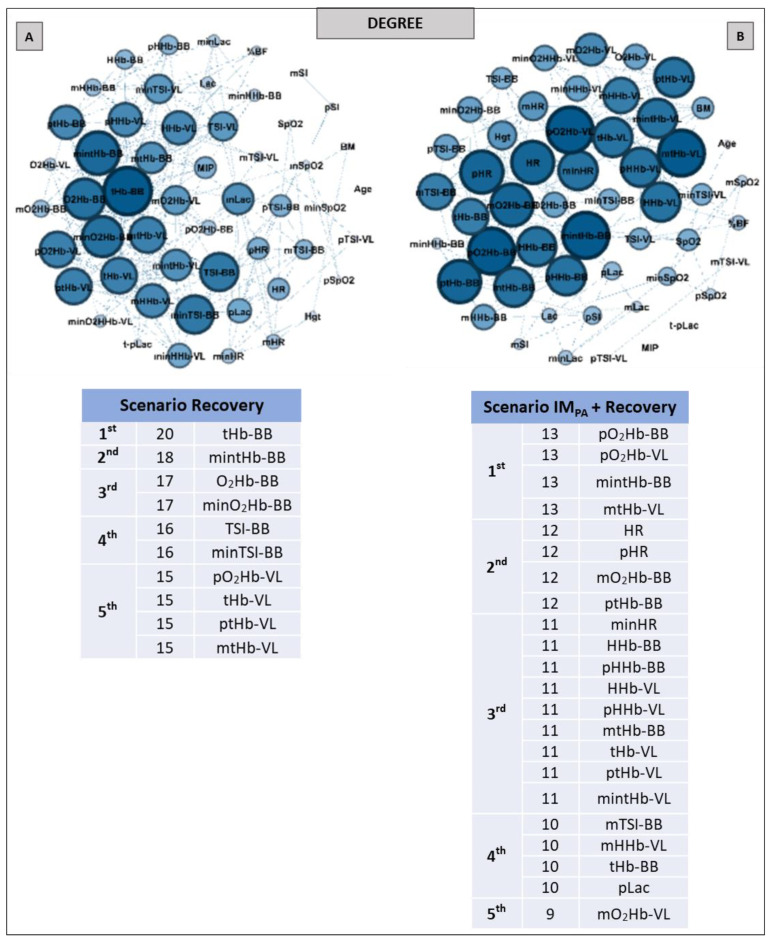
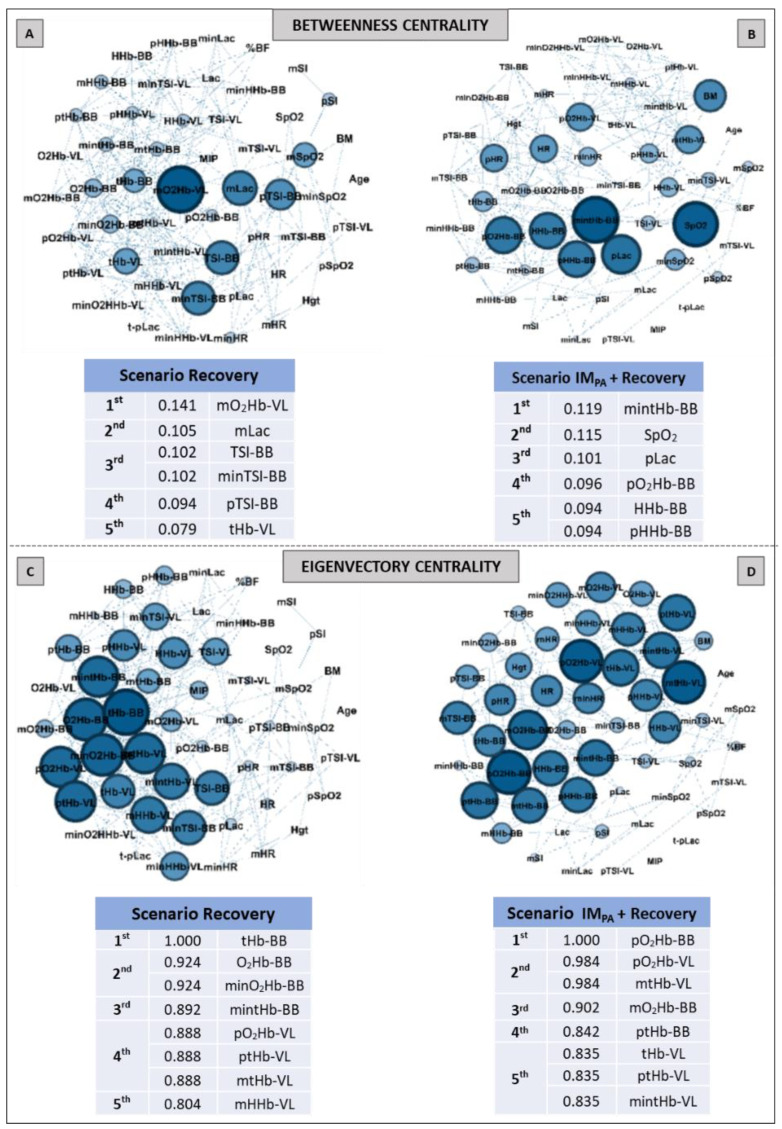
Although several studies have focused on the adaptations provided by inspiratory muscle (IM) training on physical demands, the warm-up or pre-activation (PA) of these muscles alone appears to generate positive effects on physiological responses and performance. This study aimed to understand the effects of inspiratory muscle pre-activation (IM) on high-intensity running and passive recovery, as applied to active subjects. In an original and innovative investigation of the impacts of IM on high-intensity running, we proposed the identification of the interactions among physical characteristics, physiological responses and muscle oxygenation in more and less active muscle to a running exercise using a complex network model. For this, fifteen male subjects were submitted to all-out 30 s tethered running efforts preceded or not preceded by IM, composed of 2 × 15 repetitions (1 min interval between them) at 40% of the maximum individual inspiratory pressure using a respiratory exercise device. During running and recovery, we monitored the physiological responses (heart rate, blood lactate, oxygen saturation) and muscle oxygenation (in vastus lateralis and biceps brachii) by wearable near-infrared spectroscopy (NIRS). Thus, we investigated four scenarios: two in the tethered running exercise (with or without IM) and two built into the recovery process (after the all-out 30 s), under the same conditions. Undirected weighted graphs were constructed, and four centrality metrics were analyzed (Degree, Betweenness, Eigenvector, and Pagerank). The IM (40% of the maximum inspiratory pressure) was effective in increasing the peak and mean relative running power, and the analysis of the complex networks advanced the interpretation of the effects of physiological adjustments related to the IM on exercise and recovery. Centrality metrics highlighted the nodes related to muscle oxygenation responses (in more and less active muscles) as significant to all scenarios, and systemic physiological responses mediated this impact, especially after IM application. Our results suggest that this respiratory strategy enhances exercise, recovery and the multidimensional approach to understanding the effects of physiological adjustments on these conditions.
尽管有几项研究聚焦于吸气肌(IM)训练对身体需求的适应性,但仅对这些肌肉进行热身或预激活(PA)似乎就能对生理反应和运动表现产生积极影响。本研究旨在了解吸气肌预激活(IM)对活跃受试者进行高强度跑步及被动恢复的影响。在一项关于IM对高强度跑步影响的新颖且具创新性的研究中,我们提议使用复杂网络模型来识别不同活跃程度肌肉在跑步运动中身体特征、生理反应和肌肉氧合之间的相互作用。为此,15名男性受试者在使用呼吸锻炼设备、以个人最大吸气压力的40%进行IM预激活(或不进行预激活)后,进行30秒全力 tethered 跑步,由2×15次重复(每次重复间隔1分钟)组成。在跑步和恢复过程中,我们通过可穿戴近红外光谱(NIRS)监测生理反应(心率、血乳酸、血氧饱和度)和肌肉氧合(股外侧肌和肱二头肌)。因此,我们研究了四种情况:两种在 tethered 跑步运动中(有或无IM预激活),另外两种在恢复过程中(全力30秒后),且条件相同。构建了无向加权图,并分析了四个中心性指标(度、介数、特征向量和网页排名)。IM预激活(最大吸气压力的40%)有效地提高了峰值和平均相对跑步功率,复杂网络分析推进了对与IM预激活相关的生理调节对运动和恢复影响的解释。中心性指标突出显示,与肌肉氧合反应相关的节点(在活跃程度不同的肌肉中)在所有情况下都很重要,并且全身生理反应介导了这种影响,尤其是在应用IM预激活之后。我们的结果表明,这种呼吸策略可增强运动、恢复能力,并有助于从多维度理解生理调节对这些情况的影响。