Najar Ishfaq Nabi, Das Sayak, Kumar Santosh, Sharma Prayatna, Mondal Krishnendu, Sherpa Mingma Thundu, Thakur Nagendra
Department of Microbiology, Sikkim University, Gangtok, India.
Department of Microbiology, Vidyasagar University, Midnapore, India.
Front Microbiol. 2022 Aug 25;13:914037. doi: 10.3389/fmicb.2022.914037. eCollection 2022.
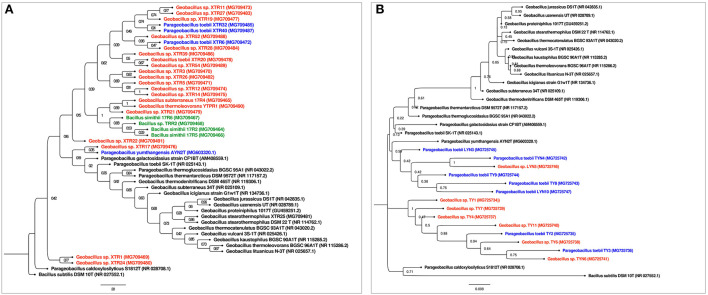
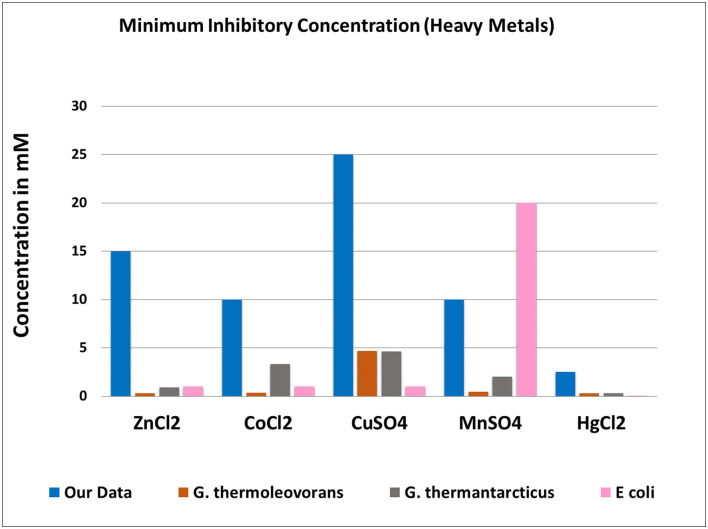
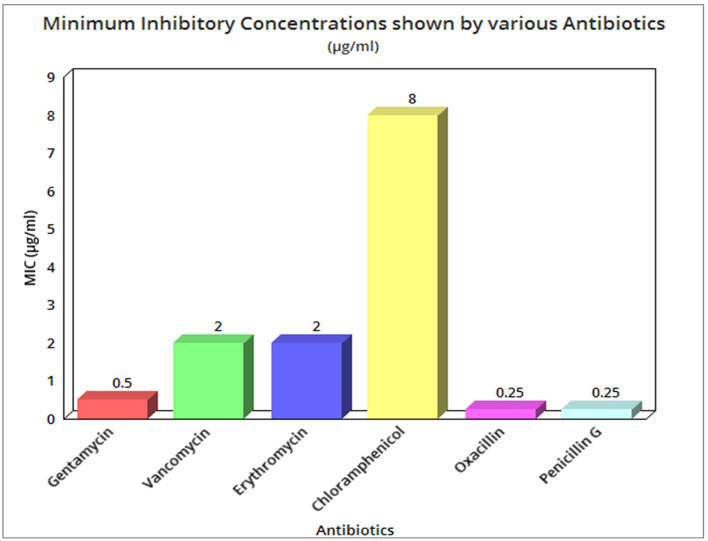
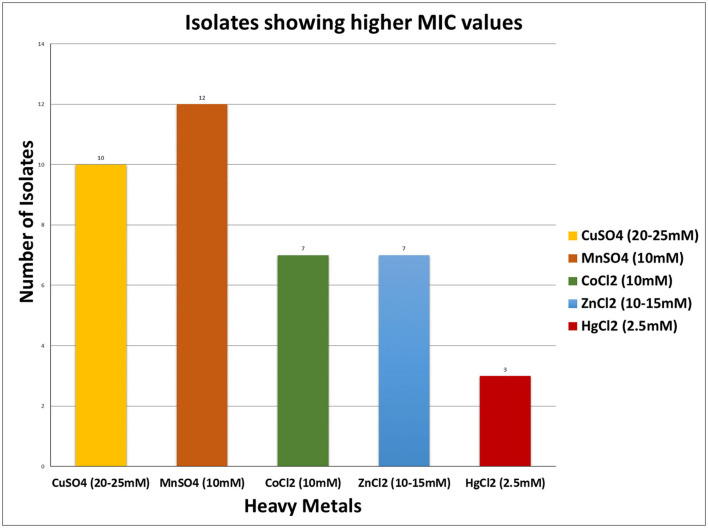
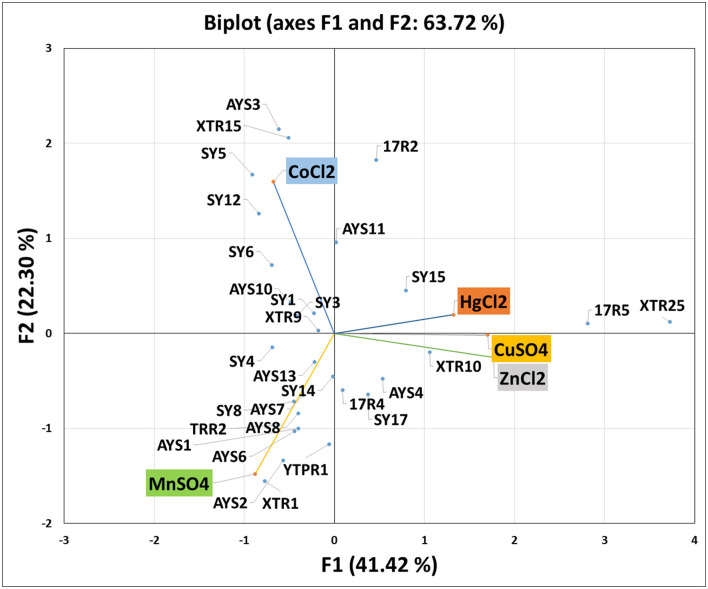
Hot springs are thought to be potential repositories for opportunistic infections, such as antibiotic-resistant strains. However, there is a scarcity of information on the mechanisms of antibiotic resistance gene (ARG) uptake, occurrence, and expression in thermophilic bacteria. Furthermore, because the genesis and proliferation of ARGs in environmental microorganisms are unknown, the research on antibiotic resistance profiles and probable mechanisms in thermophilic bacteria will become increasingly important. The goals of this study are to explore bacterial diversity, antibiotic and heavy metal resistance, and the prevalence and presence of ARG and metal resistance gene (MRG) in species. The 16S rRNA sequencing was used to determine the culturable bacterium diversity of 124 isolates. Standard Kirby Bauer Disc Diffusion and tube dilution procedures were used to determine antibiotic sensitivity and minimum inhibitory concentration (MIC). The tube dilution method was also used to check metal tolerance. To detect ARG and heavy MRG (HMRG), whole genome sequencing studies of the type species of the genus and five randomly selected species were performed. Graph Pad Prism and XLSTAT were used to perform statistical analyses such as ANOVA, EC50 analysis, and principal component analysis (PCA). The phylum Firmicutes and the genus dominated the culture-dependent bacterial diversity. Surprisingly, all thermophilic isolates, i.e., species, were sensitive to at least 10 different antibiotics, as evidenced by the lack of ARGs in whole genome sequencing analysis of numerous species. However, some of these isolates were resistant to at least five different heavy metals, and whole genome sequencing revealed the presence of MRGs in these thermophilic bacteria. The thermophilic genus is generally antibiotic sensitive, according to this study. In contrast, heavy metal is tolerated by them. As a result, it is possible that ARGs and MRGs do not coexist in these bacteria living in hot springs.
温泉被认为是机会性感染的潜在储存库,例如耐抗生素菌株。然而,关于嗜热细菌中抗生素抗性基因(ARG)摄取、存在和表达机制的信息却很匮乏。此外,由于环境微生物中ARGs的起源和增殖尚不清楚,对嗜热细菌中抗生素抗性谱和可能机制的研究将变得越来越重要。本研究的目的是探索细菌多样性、抗生素和重金属抗性,以及物种中ARG和金属抗性基因(MRG)的流行情况和存在情况。使用16S rRNA测序来确定124株可培养细菌的多样性。采用标准的 Kirby Bauer 纸片扩散法和试管稀释法来确定抗生素敏感性和最低抑菌浓度(MIC)。试管稀释法也用于检查金属耐受性。为了检测ARG和重金属MRG(HMRG),对该属的模式种和五个随机选择的物种进行了全基因组测序研究。使用Graph Pad Prism和XLSTAT进行统计分析,如方差分析、EC50分析和主成分分析(PCA)。厚壁菌门和该属在依赖培养的细菌多样性中占主导地位。令人惊讶的是,所有嗜热分离株,即物种,对至少10种不同的抗生素敏感,这在许多物种的全基因组测序分析中缺乏ARGs得到了证明。然而,其中一些分离株对至少五种不同的重金属具有抗性,全基因组测序显示这些嗜热细菌中存在MRGs。根据这项研究,嗜热属通常对抗生素敏感。相比之下,它们对重金属具有耐受性。因此,生活在温泉中的这些细菌中ARG和MRG可能不存在共存情况。