Liu Yue, Cai Yajun, Li Yanzhuo, Zhang Xiaoling, Shi Nan, Zhao Jingze, Yang Hongchun
State Key Laboratory of Hybrid Rice, College of Life Sciences, Wuhan University, Wuhan, China.
Hubei Hongshan Laboratory, Wuhan, China.
Front Plant Sci. 2022 Aug 30;13:983460. doi: 10.3389/fpls.2022.983460. eCollection 2022.
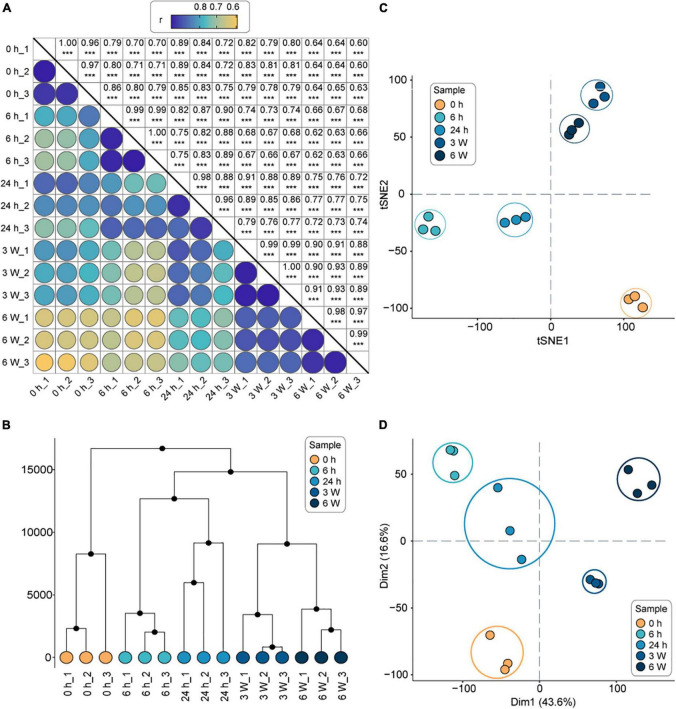
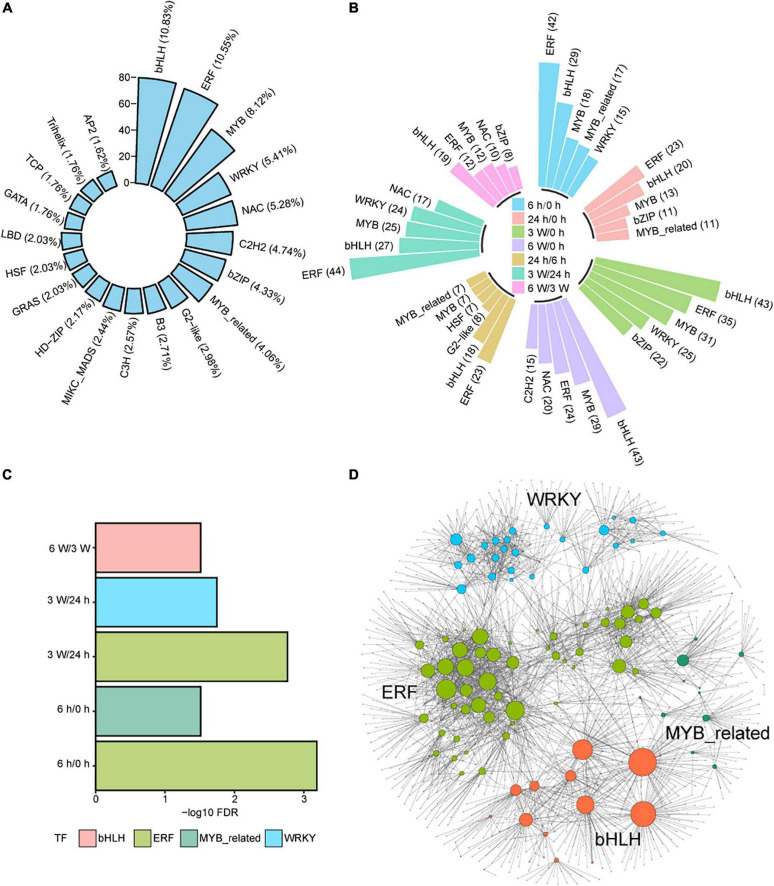
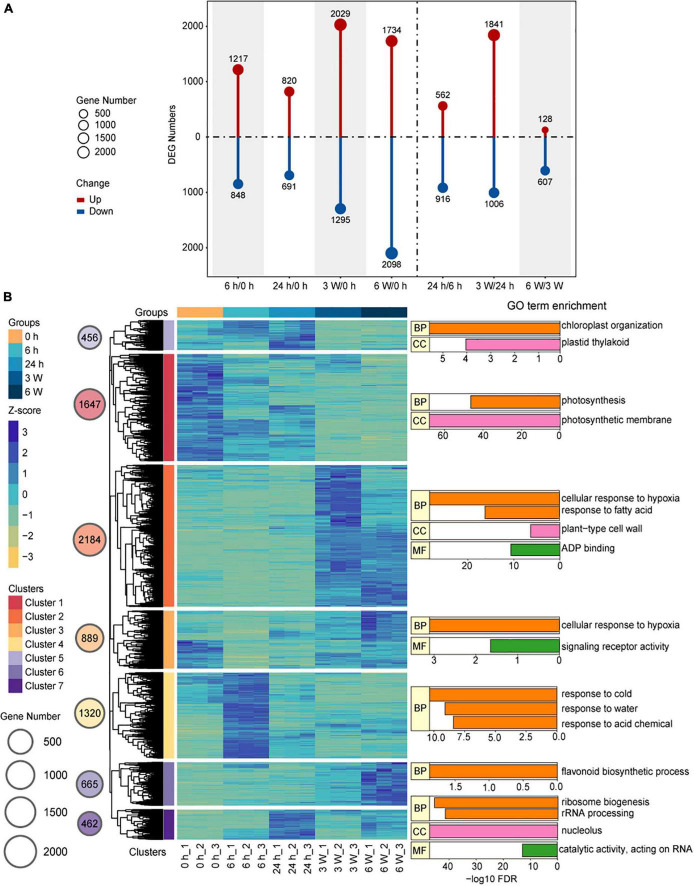
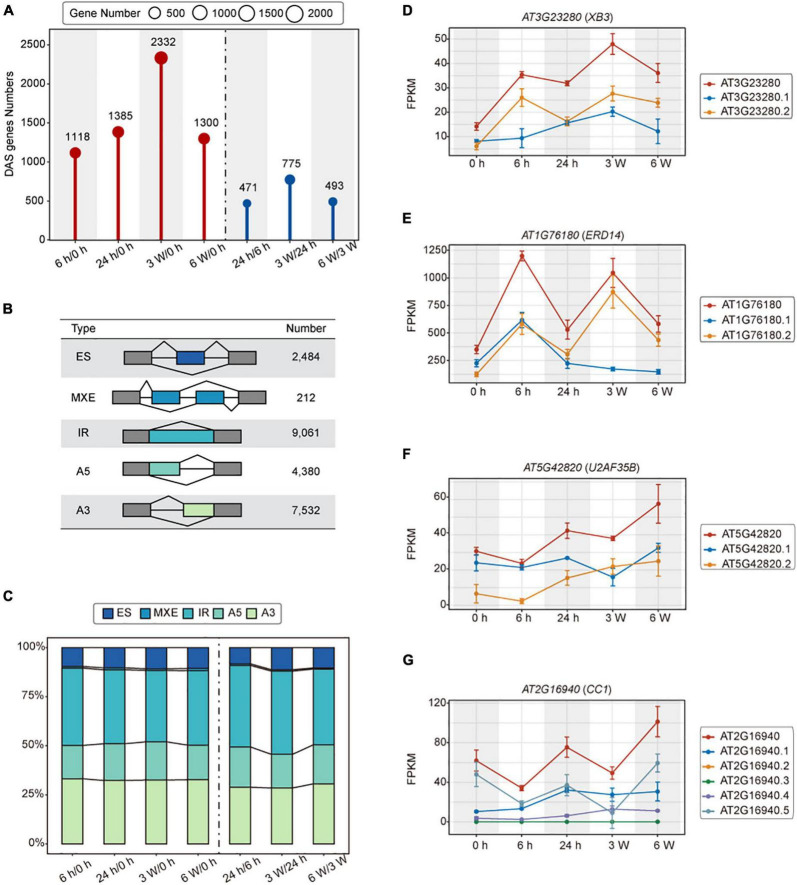
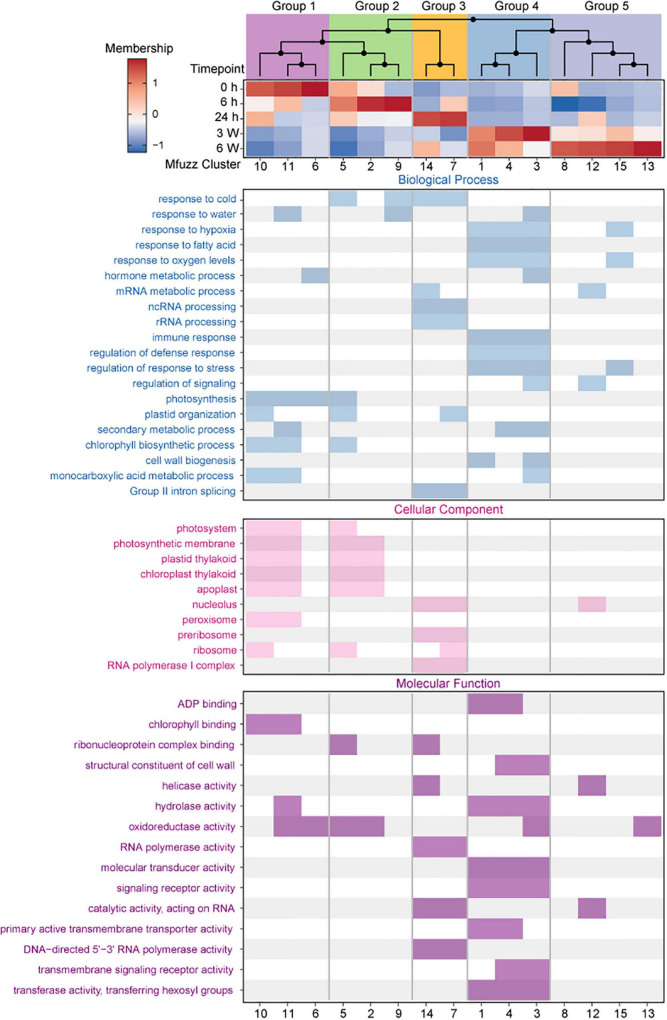
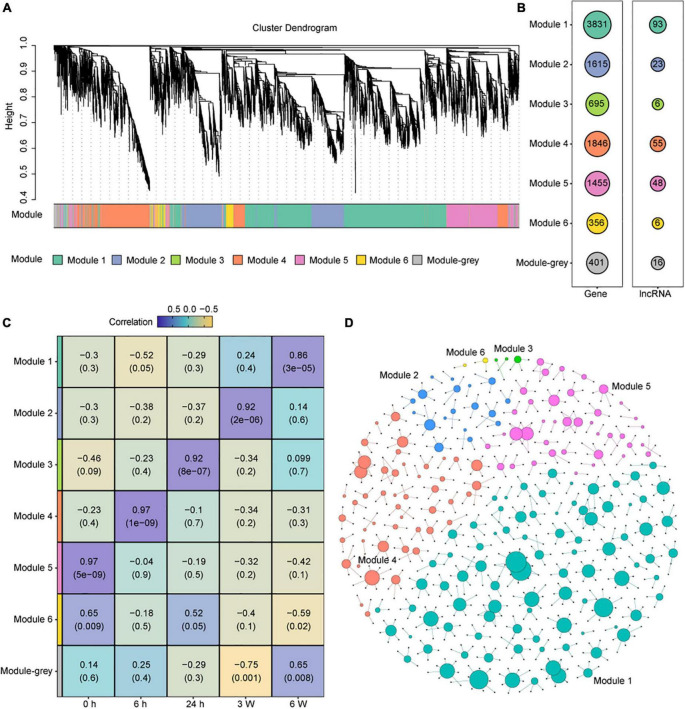
Plants must reprogram gene expression to adapt constantly changing environmental temperatures. With the increased occurrence of extremely low temperatures, the negative effects on plants, especially on growth and development, from cold stress are becoming more and more serious. In this research, strand-specific RNA sequencing (ssRNA-seq) was used to explore the dynamic changes in the transcriptome landscape of exposed to cold temperatures (4°C) at different times. In total, 7,623 differentially expressed genes (DEGs) exhibited dynamic temporal changes during the cold treatments. Gene Ontology (GO) and Kyoto Encyclopedia of Genes and Genomes (KEGG) pathway enrichment analysis showed that the DEGs were enriched in cold response, secondary metabolic processes, photosynthesis, glucosinolate biosynthesis, and plant hormone signal transduction pathways. Meanwhile, long non-coding RNAs (lncRNAs) were identified after the assembly of the transcripts, from which 247 differentially expressed lncRNAs (DElncRNAs) and their potential target genes were predicted. 3,621 differentially alternatively spliced (DAS) genes related to RNA splicing and spliceosome were identified, indicating enhanced transcriptome complexity due to the alternative splicing (AS) in the cold. In addition, 739 cold-regulated transcription factors (TFs) belonging to 52 gene families were identified as well. This research analyzed the dynamic changes of the transcriptome landscape in response to cold stress, which reveals more complete transcriptional patterns during short- and long-term cold treatment and provides new insights into functional studies of that how plants are affected by cold stress.
植物必须重新编程基因表达以适应不断变化的环境温度。随着极端低温事件的增多,低温胁迫对植物尤其是生长发育的负面影响日益严重。本研究采用链特异性RNA测序(ssRNA-seq)来探索植物在不同时间暴露于低温(4°C)下转录组图谱的动态变化。在低温处理期间,共有7623个差异表达基因(DEG)呈现出动态的时间变化。基因本体论(GO)和京都基因与基因组百科全书(KEGG)通路富集分析表明,这些DEG富集于冷响应、次生代谢过程、光合作用、芥子油苷生物合成和植物激素信号转导通路。同时,在转录本组装后鉴定出长链非编码RNA(lncRNA),从中预测了247个差异表达的lncRNA(DElncRNA)及其潜在靶基因。鉴定出3621个与RNA剪接和剪接体相关的差异可变剪接(DAS)基因,表明低温下可变剪接(AS)导致转录组复杂性增加。此外,还鉴定出属于52个基因家族的739个冷调控转录因子(TF)。本研究分析了转录组图谱响应冷胁迫的动态变化,揭示了短期和长期冷处理过程中更完整的转录模式,并为植物如何受冷胁迫影响的功能研究提供了新见解。