Austin Health, Heidelberg, Victoria, Australia.
Centre for Health Policy, Melbourne School of Population and Global Health, University of Melbourne, Carlton, Victoria, Australia.
Endocrinol Diabetes Metab. 2022 Nov;5(6):e369. doi: 10.1002/edm2.369. Epub 2022 Sep 16.
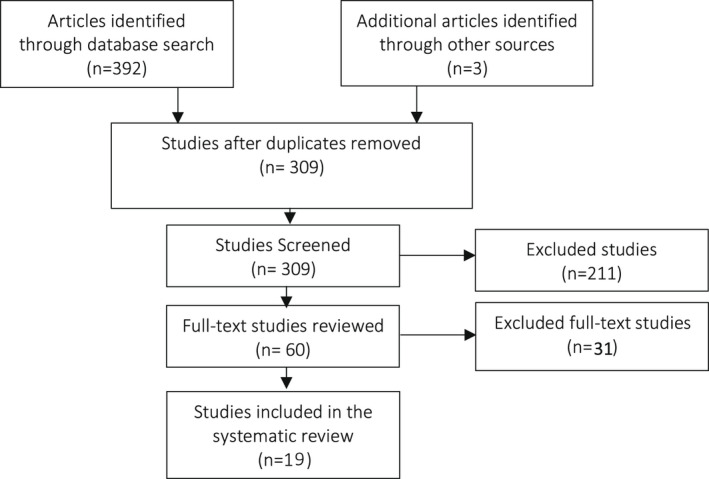
Continuous glucose monitoring (CGM) is rapidly becoming a vital tool in the management of type 1 diabetes. Its use has been shown to improve glycaemic management and reduce the risk of hypoglycaemic events. The cost of CGM remains a barrier to its widespread application. We aimed to identify and synthesize evidence about the cost-effectiveness of utilizing CGM in patients with type 1 diabetes. Studies were identified from MEDLINE, Embase and Cochrane Library from January 2010 to February 2022. Those that assessed the cost-effectiveness of CGM compared to self-monitored blood glucose (SMBG) in patients with type 1 diabetes and reported lifetime incremental cost-effectiveness ratio (ICER) were included. Studies on critically ill or pregnant patients were excluded. Nineteen studies were identified. Most studies compared continuous subcutaneous insulin infusion and SMBG to a sensor-augmented pump (SAP). The estimated ICER range was [$18,734-$99,941] and the quality-adjusted life year (QALY) gain range was [0.76-2.99]. Use in patients with suboptimal management or greater hypoglycaemic risk revealed more homogenous results and lower ICERs. Limited studies assessed CGM in the context of multiple daily injections (MDI) (n = 4), MDI and SMBG versus SAP (n = 2) and three studies included hybrid closed-loop systems. Most studies (n = 17) concluded that CGM is a cost-effective tool. This systematic review suggests that CGM appears to be a cost-effective tool for individuals with type 1 diabetes. Cost-effectiveness is driven by reducing short- and long-term complications. Use in patients with suboptimal management or at risk of severe hypoglycaemia is most cost-effective.
连续血糖监测(CGM)在 1 型糖尿病的管理中迅速成为一种重要的工具。其使用已被证明可以改善血糖管理,降低低血糖事件的风险。CGM 的成本仍然是其广泛应用的障碍。我们旨在确定和综合利用 CGM 治疗 1 型糖尿病患者的成本效益证据。研究从 2010 年 1 月至 2022 年 2 月在 MEDLINE、Embase 和 Cochrane Library 中进行了检索。纳入的研究评估了 CGM 与 1 型糖尿病患者的自我监测血糖(SMBG)相比的成本效益,并报告了终生增量成本效益比(ICER)。排除了关于危重症或妊娠患者的研究。确定了 19 项研究。大多数研究比较了连续皮下胰岛素输注和 SMBG 与传感器增强型泵(SAP)。估计的 ICER 范围为 [$18734-$99941],质量调整生命年(QALY)增益范围为 [0.76-2.99]。在管理欠佳或低血糖风险较高的患者中使用,结果更趋同,ICER 更低。有限的研究在多次每日注射(MDI)(n=4)、MDI 和 SMBG 与 SAP(n=2)的背景下评估了 CGM,有 3 项研究包括混合闭环系统。大多数研究(n=17)得出结论,CGM 是一种具有成本效益的工具。本系统评价表明,CGM 似乎是 1 型糖尿病患者的一种具有成本效益的工具。成本效益取决于减少短期和长期并发症。在管理欠佳或有严重低血糖风险的患者中使用最具成本效益。