
淋巴结比率是手术治疗的早发性胰腺癌的一个更优预测指标。
Lymph node ratio is a superior predictor in surgically treated early-onset pancreatic cancer.
作者信息
Zheng Yangyang, Lu Zhenhua, Shi Xiaolei, Tan Tianhua, Xing Cheng, Xu Jingyong, Cui Hongyuan, Song Jinghai
机构信息
Department of General Surgery, Department of Hepato-bilio-pancreatic Surgery, Beijing Hospital, National Center of Gerontology, Institute of Geriatric Medicine, Chinese Academy of Medical Sciences, Beijing, China.
Graduate School of Peking Union Medical College, Chinese Academy of Medical Sciences, Beijing, China.
出版信息
Front Oncol. 2022 Sep 2;12:975846. doi: 10.3389/fonc.2022.975846. eCollection 2022.
BACKGROUND
The prognostic performance of four lymph node classifications, the 8th American Joint Committee on Cancer (AJCC) Tumor Node Metastasis (TNM) N stage, lymph node ratio (LNR), log odds of positive lymph nodes (LODDS), and examined lymph nodes (ELN) in early-onset pancreatic cancer (EOPC) remains unclear.
METHODS
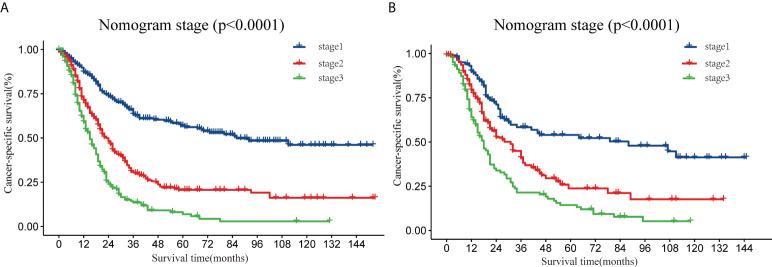
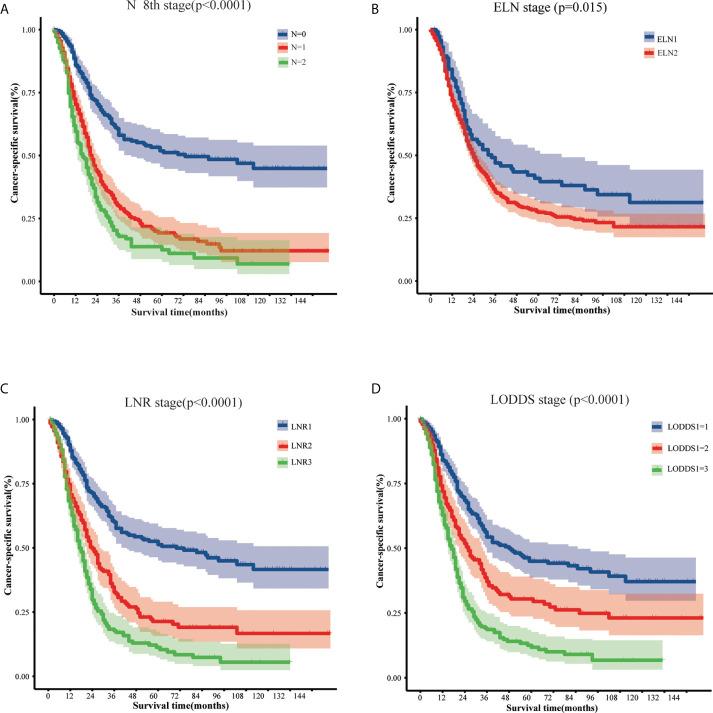
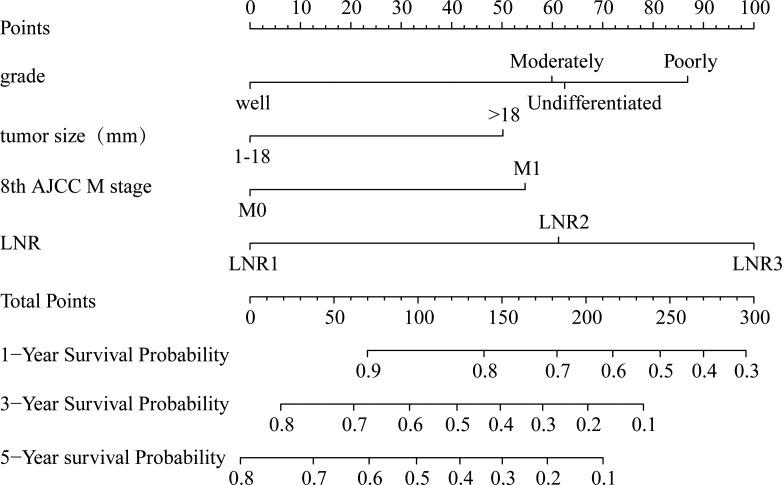
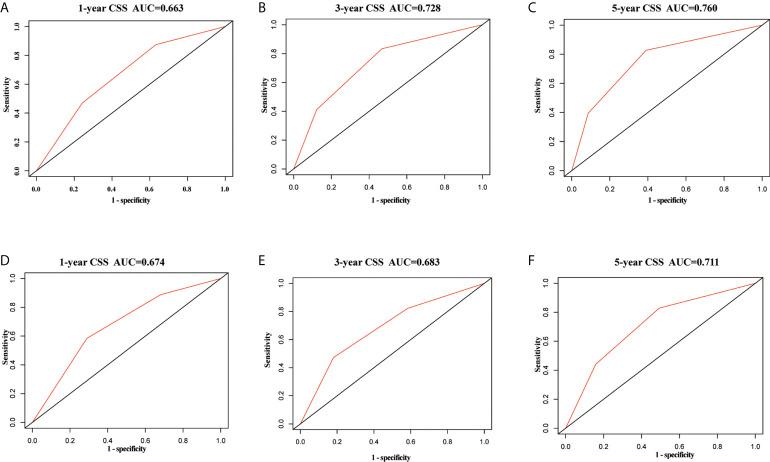
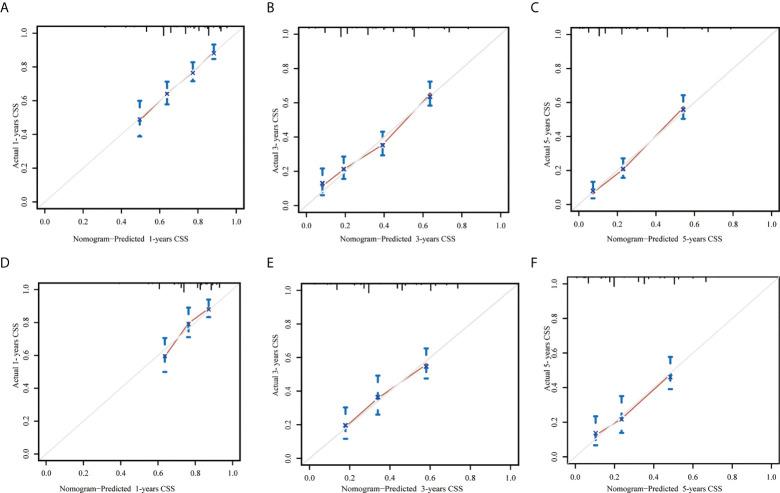
The Surveillance, Epidemiology, and End Results (SEER) database was searched for patients with EOPC from 2004 to 2016. 1048 patients were randomly divided into training (n = 733) and validation sets (n = 315). The predictive abilities of the four lymph node staging systems were compared using the Akaike information criteria (AIC), receiver operating characteristic area under the curve (AUC), and C-index. Multivariate Cox analysis was performed to identify independent risk factors. A nomogram based on lymph node classification with the strongest predictive ability was established. The nomogram's precision was verified by the C-index, calibration curves, and AUC. Kaplan-Meier analysis and log-rank tests were used to compare differences in survival at each stage of the nomogram.
RESULTS
Compared with the 8th N stage, LODDS, and ELN, LNR had the highest C-index and AUC and the lowest AIC. Multivariate analysis showed that N stage, LODDS, LNR were independent risk factors associated with cancer specific survival (CSS), but not ELN. In the training set, the AUC values for the 1-, 3-, and 5-year CSS of the nomogram were 0.663, 0.728, and 0.760, respectively and similar results were observed in the validation set. In addition, Kaplan-Meier survival analysis showed that the nomogram was also an important factor in the risk stratification of EOPC.
CONCLUSION
We analyzed the predictive power of the four lymph node staging systems and found that LNR had the strongest predictive ability. Furthermore, the novel nomogram prognostic staging mode based on LNR was also an important factor in the risk stratification of EOPC.
背景
四种淋巴结分类方法,即美国癌症联合委员会(AJCC)第8版肿瘤淋巴结转移(TNM)分期系统中的N分期、淋巴结比率(LNR)、阳性淋巴结对数比值(LODDS)以及检查的淋巴结数量(ELN),在早发性胰腺癌(EOPC)中的预后性能尚不清楚。
方法
检索监测、流行病学和最终结果(SEER)数据库,纳入2004年至2016年期间的EOPC患者。1048例患者被随机分为训练集(n = 733)和验证集(n = 315)。使用赤池信息准则(AIC)、曲线下面积(AUC)和C指数比较四种淋巴结分期系统的预测能力。进行多因素Cox分析以确定独立危险因素。建立基于预测能力最强的淋巴结分类的列线图。通过C指数、校准曲线和AUC验证列线图的准确性。采用Kaplan-Meier分析和对数秩检验比较列线图各阶段生存差异。
结果
与第8版N分期、LODDS和ELN相比,LNR的C指数和AUC最高,AIC最低。多因素分析显示,N分期、LODDS、LNR是与癌症特异性生存(CSS)相关的独立危险因素,而ELN不是。在训练集中,列线图1年、3年和5年CSS的AUC值分别为0.66
 Zotero 插件