Xie Qingqing, Zhang Pengfei, Wang Yuanyuan, Mei Wuxuan, Zeng Changchun
Department of Medical Laboratory, Shenzhen Longhua District Central Hospital, Guangdong Medical University, Shenzhen, China.
Xianning Medical College, Hubei University of Science and Technology, Xianning, China.
Front Oncol. 2022 Sep 2;12:958720. doi: 10.3389/fonc.2022.958720. eCollection 2022.
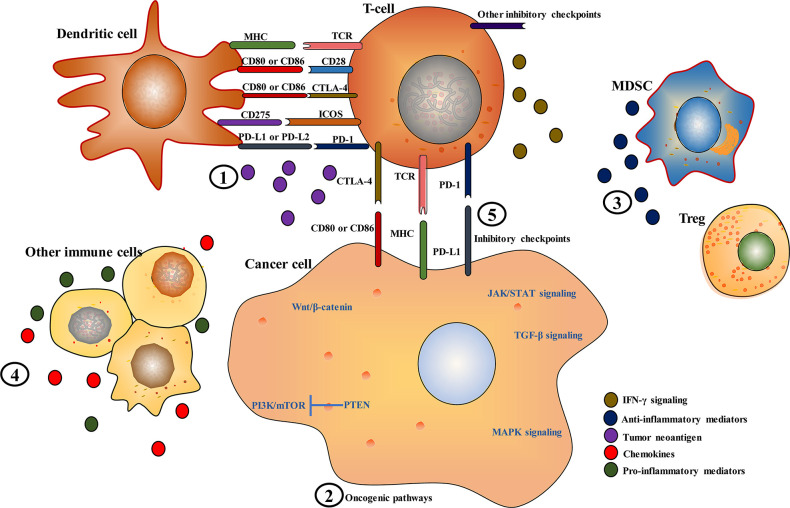
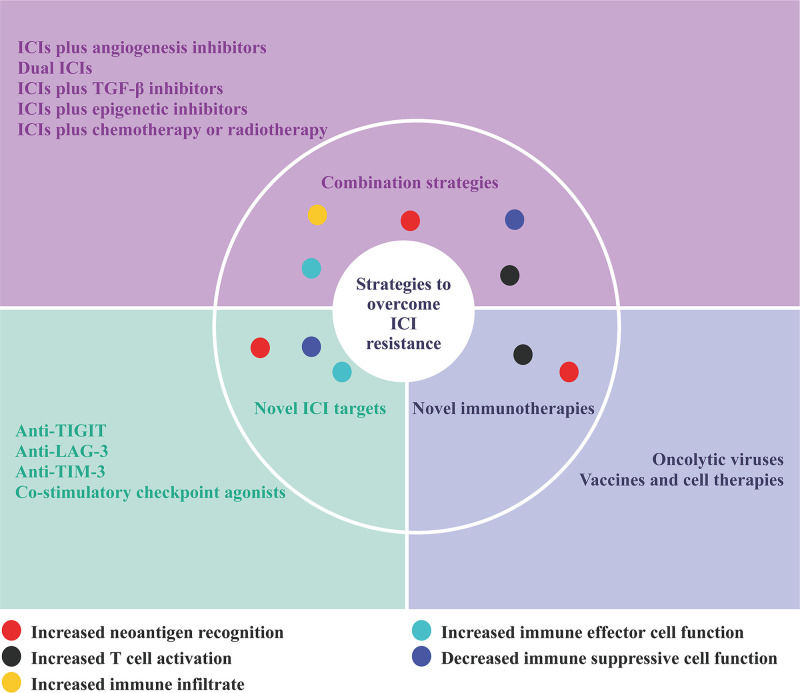
Hepatocellular carcinoma is one of the leading causes of cancer mortality globally, and its incidence is increasing. Immune checkpoint therapy has revolutionized the treatment of hepatocellular carcinoma over the past few years. However, only a limited proportion of patients with hepatocellular carcinoma respond to immunotherapy. Despite the significant breakthroughs, the molecular mechanisms that drive immune responses and evasion are largely unresolved. Predicting tumor response and resistance to immune checkpoint inhibitors is a significant challenge. In this review, we focus on the current research progress of immune checkpoint inhibitors in hepatocellular carcinoma. Importantly, this review highlights the underlying mechanisms of resistance to immune checkpoint inhibitors and summarizes potential strategies to overcome the resistance to immune checkpoint inhibitors in hepatocellular carcinoma.
肝细胞癌是全球癌症死亡的主要原因之一,其发病率正在上升。在过去几年中,免疫检查点疗法彻底改变了肝细胞癌的治疗方式。然而,只有有限比例的肝细胞癌患者对免疫疗法有反应。尽管取得了重大突破,但驱动免疫反应和逃逸的分子机制在很大程度上仍未得到解决。预测肿瘤对免疫检查点抑制剂的反应和耐药性是一项重大挑战。在本综述中,我们重点关注免疫检查点抑制剂在肝细胞癌中的当前研究进展。重要的是,本综述强调了对免疫检查点抑制剂耐药的潜在机制,并总结了克服肝细胞癌对免疫检查点抑制剂耐药的潜在策略。