Mazinani Marzieh, Rahbarizadeh Fatemeh
Department of Medical Biotechnology, Faculty of Medical Sciences, Tarbiat Modares University, P.O. Box 14115-111, Tehran, Iran.
Research and Development Center of Biotechnology, Tarbiat Modares University, Tehran, Iran.
Biomark Res. 2022 Sep 19;10(1):70. doi: 10.1186/s40364-022-00417-w.
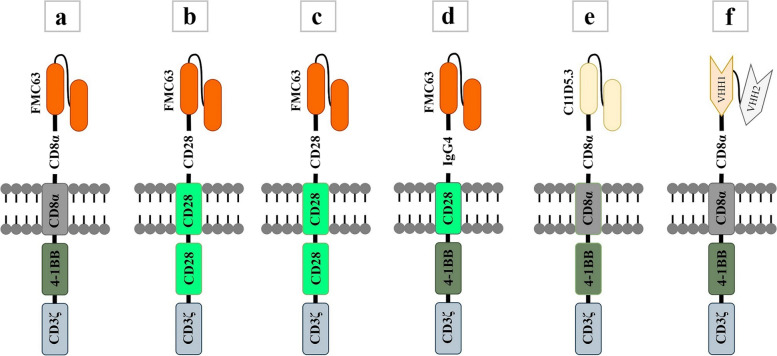
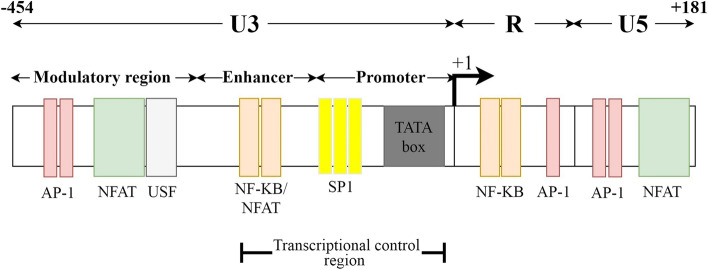
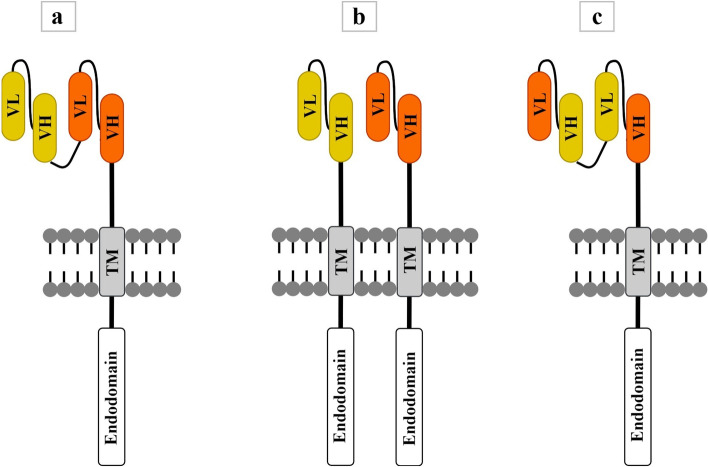
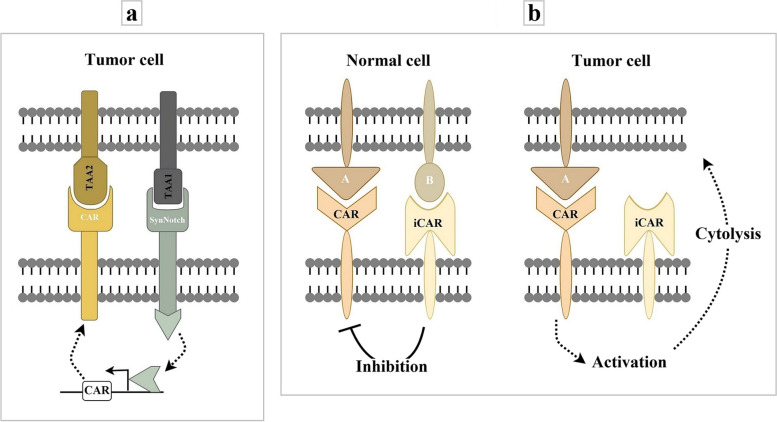
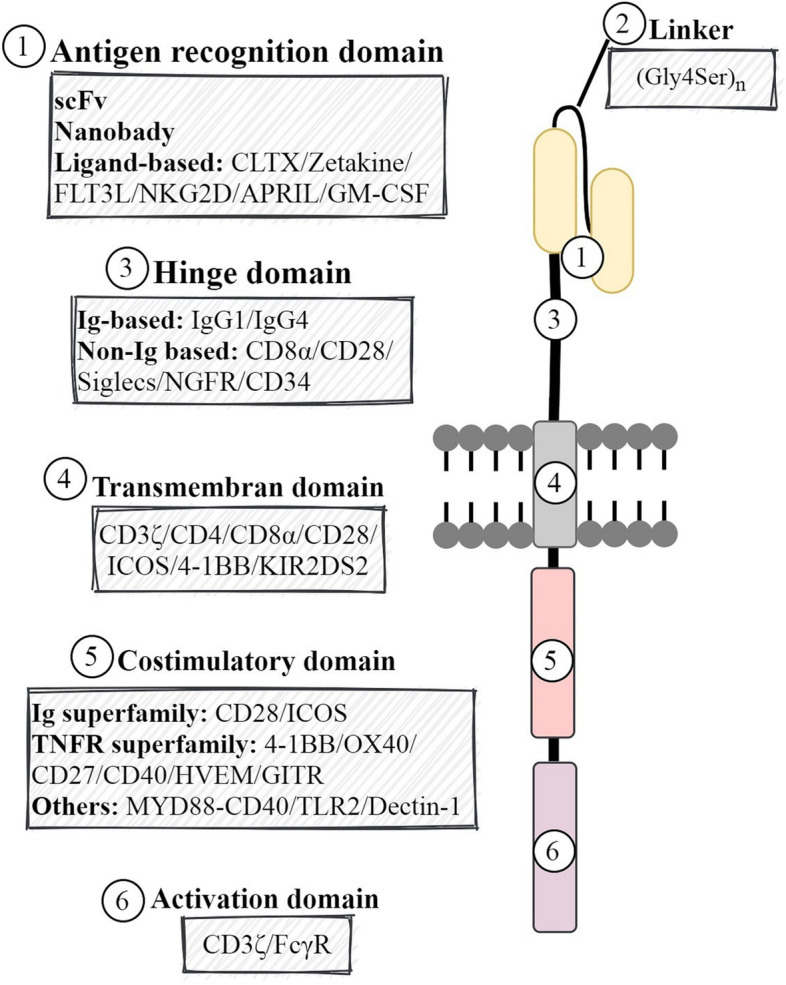
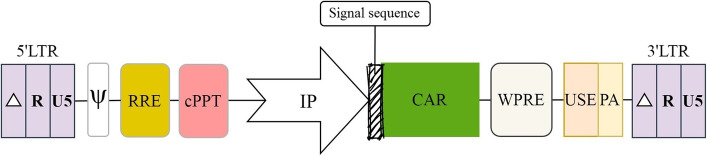
Chimeric antigen receptor (CAR) T cell therapy, in which a patient's own T lymphocytes are engineered to recognize and kill cancer cells, has achieved remarkable success in some hematological malignancies in preclinical and clinical trials, resulting in six FDA-approved CAR-T products currently available in the market. Once equipped with a CAR construct, T cells act as living drugs and recognize and eliminate the target tumor cells in an MHC-independent manner. In this review, we first described all structural modular of CAR in detail, focusing on more recent findings. We then pointed out behind-the-scene elements contributing to CAR expression and reviewed how CAR expression can be drastically affected by the elements embedded in the viral vector backbone.
嵌合抗原受体(CAR)T细胞疗法是指对患者自身的T淋巴细胞进行改造,使其能够识别并杀死癌细胞。在临床前和临床试验中,该疗法已在一些血液系统恶性肿瘤中取得了显著成功,目前市场上已有六种获得美国食品药品监督管理局(FDA)批准的CAR-T产品。一旦配备了CAR构建体,T细胞就会充当生物药物,并以不依赖主要组织相容性复合体(MHC)的方式识别和消除靶肿瘤细胞。在这篇综述中,我们首先详细描述了CAR的所有结构模块,重点关注了最新研究结果。然后,我们指出了影响CAR表达的潜在因素,并探讨了病毒载体骨架中所含元件如何对CAR表达产生重大影响。