Department of Pathology and Laboratory Medicine, Medical University of South Carolina, Charleston, South Carolina, USA.
Hollings Cancer Center Charleston, Medical University of South Carolina, Charleston, South Carolina, USA.
J Immunother Cancer. 2022 Sep;10(9). doi: 10.1136/jitc-2022-004717.
The role of inflammatory immune responses in colorectal cancer (CRC) development and response to therapy is a matter of intense debate. While inflammation is a known driver of CRC, inflammatory immune infiltrates are a positive prognostic factor in CRC and predispose to response to immune checkpoint blockade (ICB) therapy. Unfortunately, over 85% of CRC cases are primarily unresponsive to ICB due to the absence of an immune infiltrate, and even the cases that show an initial immune infiltration can become refractory to ICB. The identification of therapy supportive immune responses in the field has been partially hindered by the sparsity of suitable mouse models to recapitulate the human disease. In this study, we aimed to understand how the dysregulation of the complement anaphylatoxin C3a receptor (C3aR), observed in subsets of patients with CRC, affects the immune responses, the development of CRC, and response to ICB therapy.
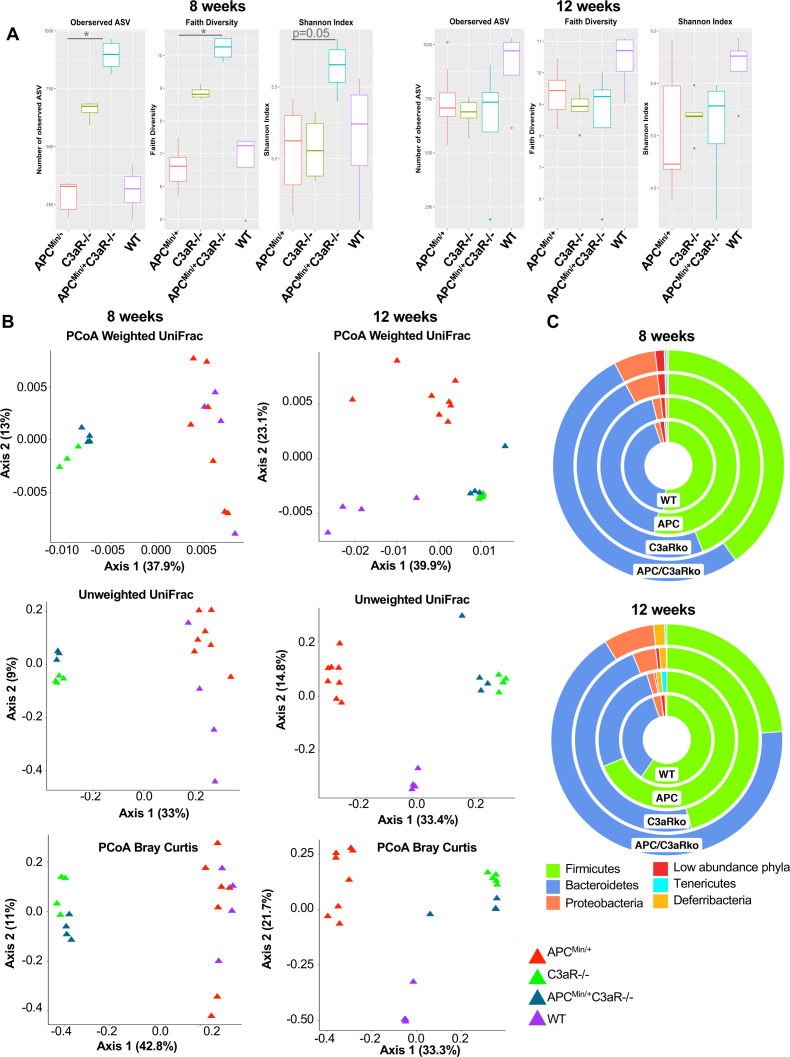
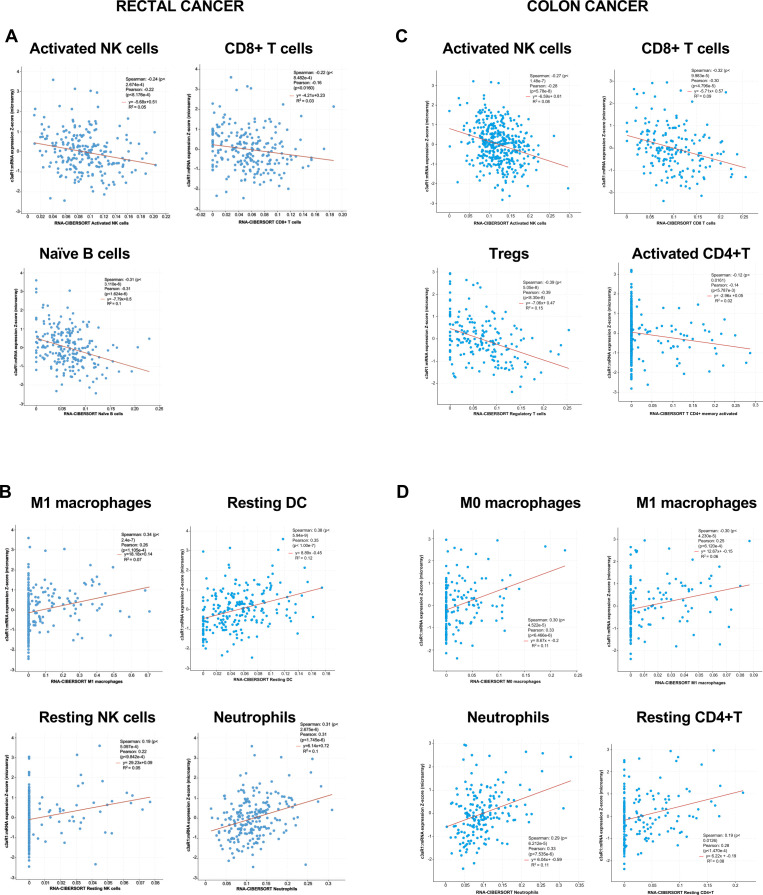
We use a comprehensive approach encompassing analysis of publicly available human CRC datasets, inflammation-driven and newly generated spontaneous mouse models of CRC, and multiplatform high-dimensional analysis of immune responses using microbiota sequencing, RNA sequencing, and mass cytometry.
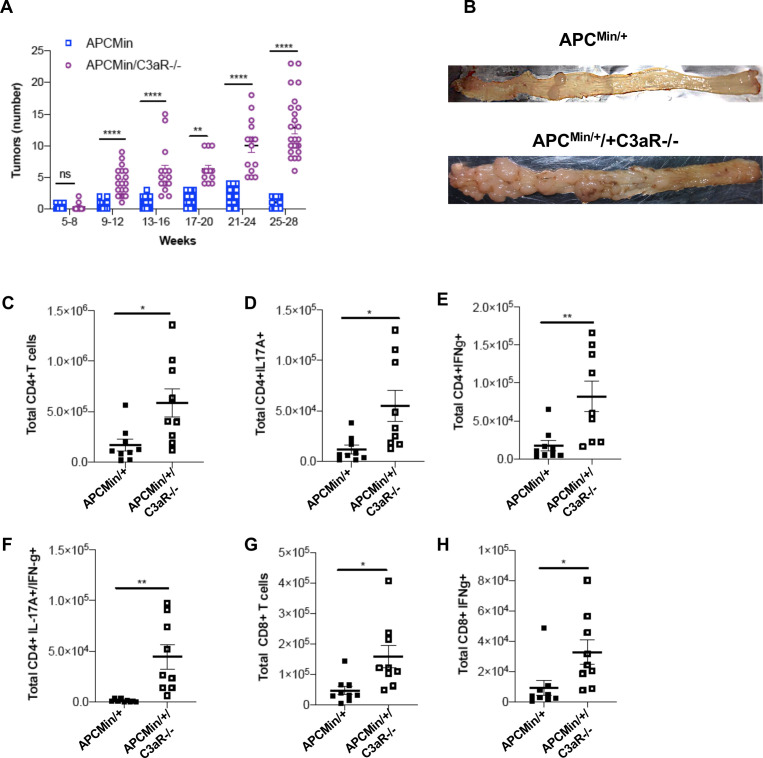
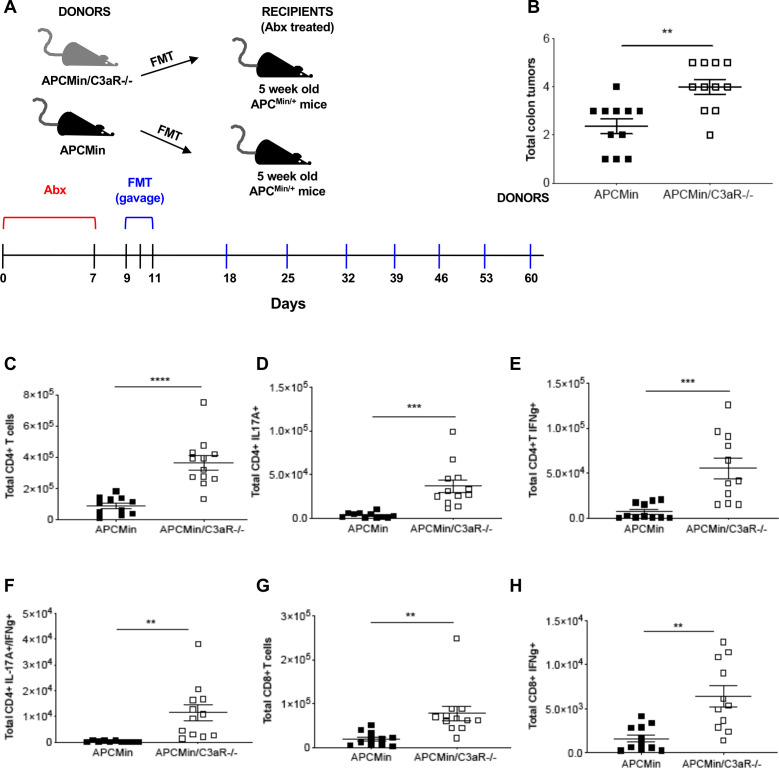
We found that patients' regulation of the complement C3aR is associated with epigenetic modifications. Specifically, downregulation of in human CRC promotes a tumor microenvironment characterized by the accumulation of innate and adaptive immune cells that support antitumor immunity. In addition, in vivo studies in our newly generated mouse model revealed that the lack of C3a in the colon activates a microbiota-mediated proinflammatory program which promotes the development of tumors with an immune signature that renders them responsive to the ICB therapy.
Our findings reveal that C3aR may act as a previously unrecognized checkpoint to enhance antitumor immunity in CRC. C3aR can thus be exploited to overcome ICB resistance in a larger group of patients with CRC.
炎症免疫反应在结直肠癌(CRC)的发生发展和对治疗的反应中的作用是一个激烈争论的问题。虽然炎症是 CRC 的已知驱动因素,但炎症免疫浸润是 CRC 的一个正预后因素,并促使对免疫检查点阻断(ICB)治疗产生反应。不幸的是,由于缺乏免疫浸润,超过 85%的 CRC 病例主要对 ICB 无反应,即使显示初始免疫浸润的病例也可能对 ICB 产生耐药性。由于缺乏合适的小鼠模型来重现人类疾病,该领域中支持治疗的免疫反应的鉴定部分受到阻碍。在这项研究中,我们旨在了解 CRC 患者亚群中观察到的补体过敏毒素 C3a 受体(C3aR)失调如何影响免疫反应、CRC 的发展以及对 ICB 治疗的反应。
我们采用综合方法,包括分析公开的 CRC 人类数据集、炎症驱动和新生成的 CRC 自发性小鼠模型,以及使用微生物组测序、RNA 测序和质谱流式细胞术进行的免疫反应的多平台高维分析。
我们发现,患者对补体 C3aR 的调节与表观遗传修饰有关。具体来说,在人类 CRC 中下调 促进了以固有和适应性免疫细胞积累为特征的肿瘤微环境,这些细胞支持抗肿瘤免疫。此外,我们在新生成的小鼠模型中的体内研究表明,结肠中缺乏 C3a 会激活一种由微生物群介导的促炎程序,从而促进具有免疫特征的肿瘤的发展,这些肿瘤对 ICB 治疗有反应。
我们的研究结果表明,C3aR 可能作为一个以前未被识别的检查点,增强 CRC 中的抗肿瘤免疫。因此,C3aR 可被用于克服更大比例 CRC 患者对 ICB 的耐药性。