Department of Pathology and Laboratory Medicine, Weill Cornell Medicine, New York, NY, USA.
New York Genome Center, New York, NY, USA.
Nat Genet. 2022 Oct;54(10):1514-1526. doi: 10.1038/s41588-022-01179-9. Epub 2022 Sep 22.
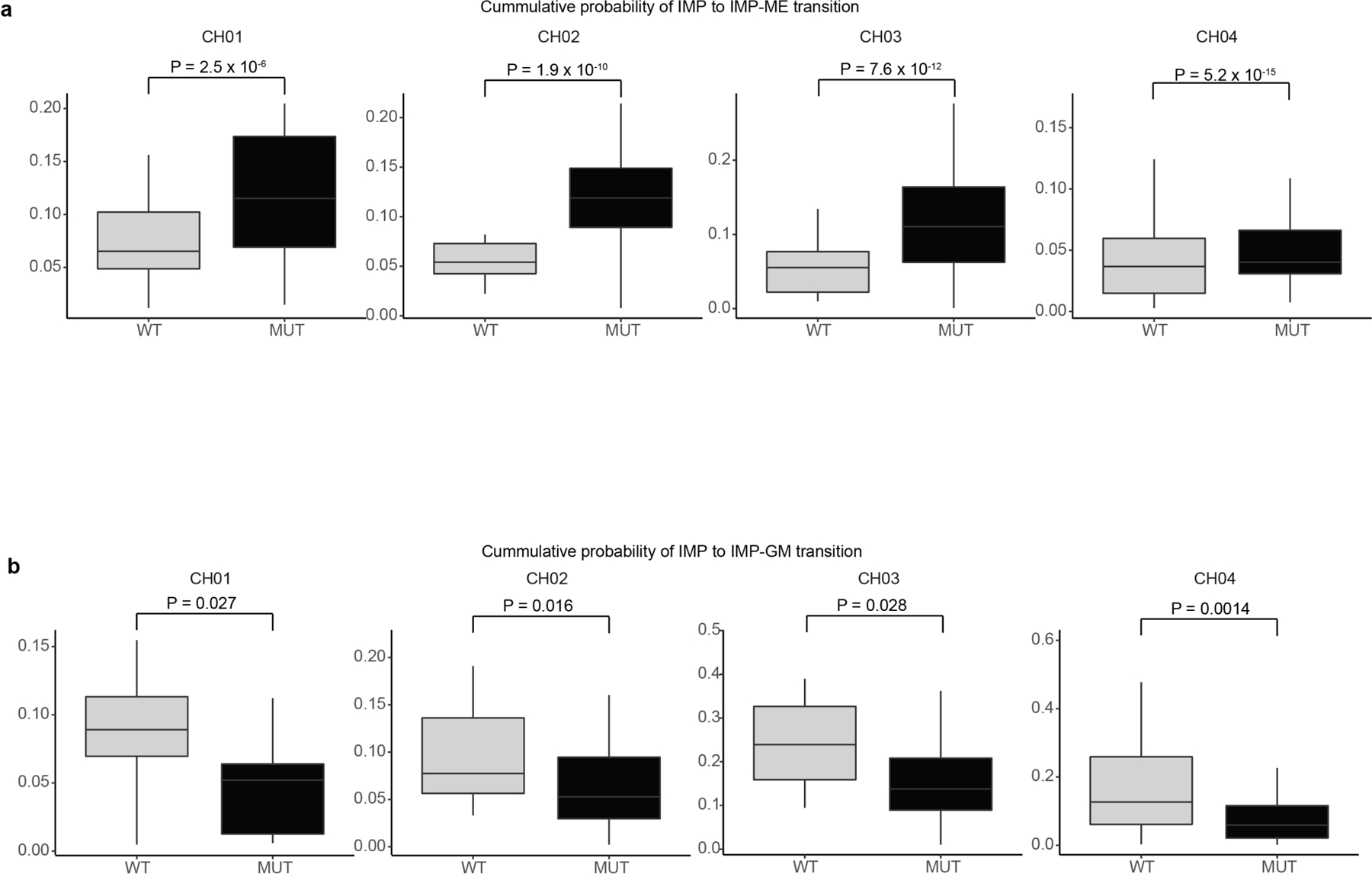
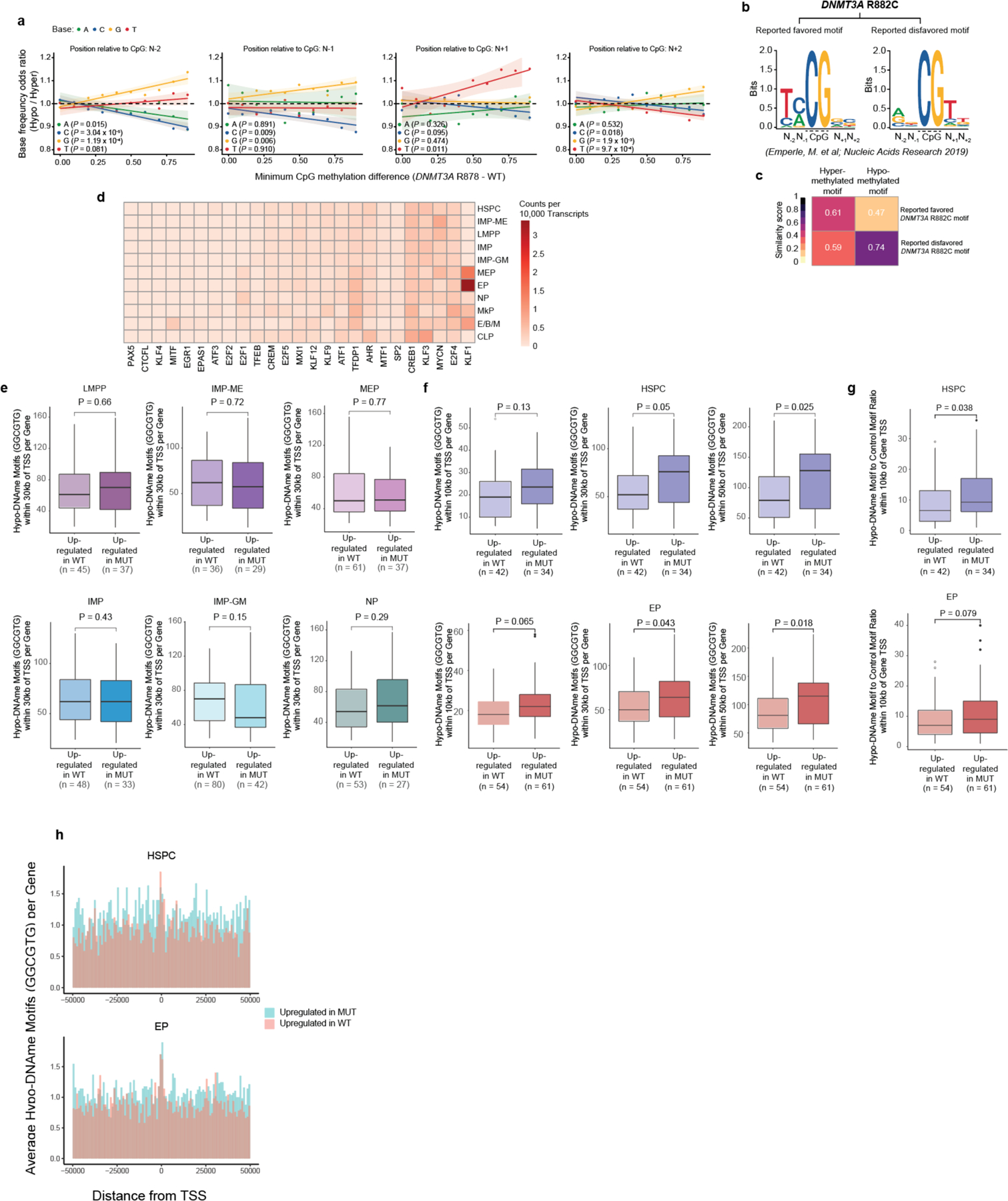
Somatic mutations in cancer genes have been detected in clonal expansions across healthy human tissue, including in clonal hematopoiesis. However, because mutated and wild-type cells are admixed, we have limited ability to link genotypes with phenotypes. To overcome this limitation, we leveraged multi-modality single-cell sequencing, capturing genotype, transcriptomes and methylomes in progenitors from individuals with DNMT3A R882 mutated clonal hematopoiesis. DNMT3A mutations result in myeloid over lymphoid bias, and an expansion of immature myeloid progenitors primed toward megakaryocytic-erythroid fate, with dysregulated expression of lineage and leukemia stem cell markers. Mutated DNMT3A leads to preferential hypomethylation of polycomb repressive complex 2 targets and a specific CpG flanking motif. Notably, the hypomethylation motif is enriched in binding motifs of key hematopoietic transcription factors, serving as a potential mechanistic link between DNMT3A mutations and aberrant transcriptional phenotypes. Thus, single-cell multi-omics paves the road to defining the downstream consequences of mutations that drive clonal mosaicism.
在健康人体组织的克隆扩张中,包括克隆性造血中,已经检测到癌症基因的体细胞突变。然而,由于突变和野生型细胞混合在一起,我们将基因型与表型联系起来的能力有限。为了克服这一限制,我们利用多模态单细胞测序,在具有 DNMT3A R882 突变的克隆性造血个体的祖细胞中捕获基因型、转录组和甲基组。DNMT3A 突变导致骨髓偏向于淋巴样,不成熟的髓系祖细胞向巨核细胞-红细胞命运扩张,谱系和白血病干细胞标志物表达失调。突变的 DNMT3A 导致多梳抑制复合物 2 靶标优先去甲基化,并出现特定的 CpG 侧翼基序。值得注意的是,低甲基化基序富含关键造血转录因子的结合基序,是 DNMT3A 突变和异常转录表型之间的潜在机制联系。因此,单细胞多组学为定义驱动克隆嵌合体的突变的下游后果铺平了道路。