Jiménez-Pulido Iván Jesús, Rico Daniel, Martinez-Villaluenga Cristina, Pérez-Jiménez Jara, Luis Daniel De, Martín-Diana Ana Belén
Agrarian Technological Institute of Castilla and Leon (ITACyL), Ctra. Burgos Km 119, Finca Zamadueñas, 47071 Valladolid, Spain.
Department of Technological Processes and Biotechnology, Institute of Food Science, Technology and Nutrition (ICTAN-CSIC), Jose Antonio Novais 10, 28040 Madrid, Spain.
Foods. 2022 Sep 8;11(18):2769. doi: 10.3390/foods11182769.
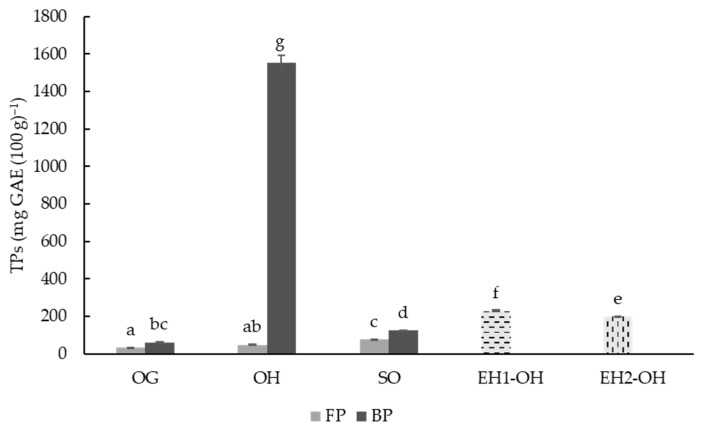
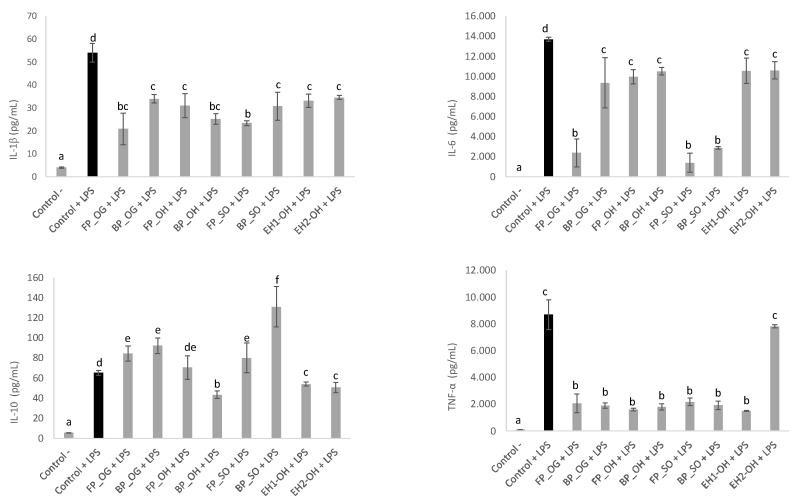
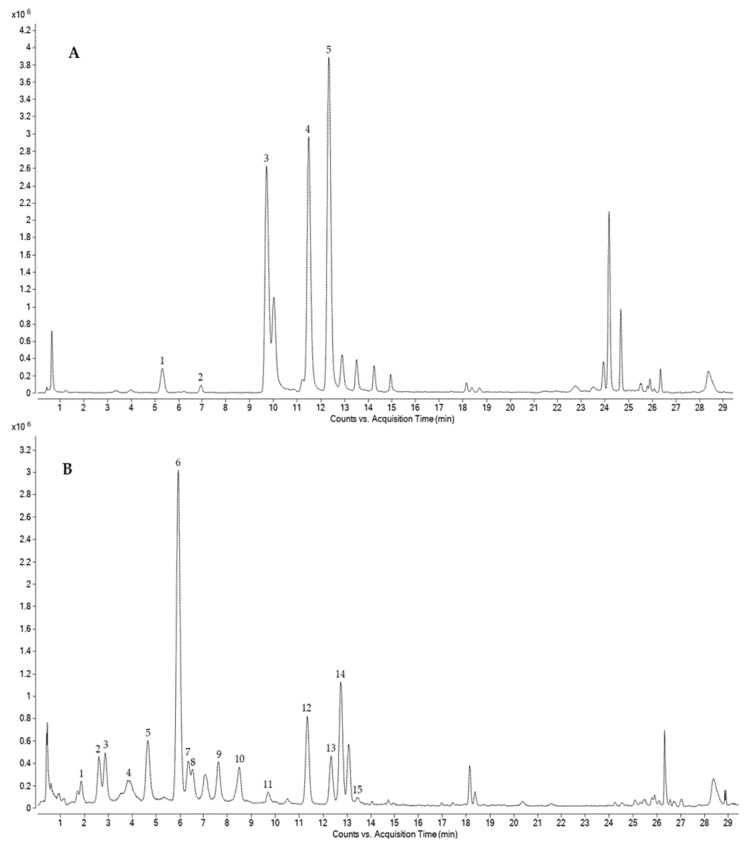
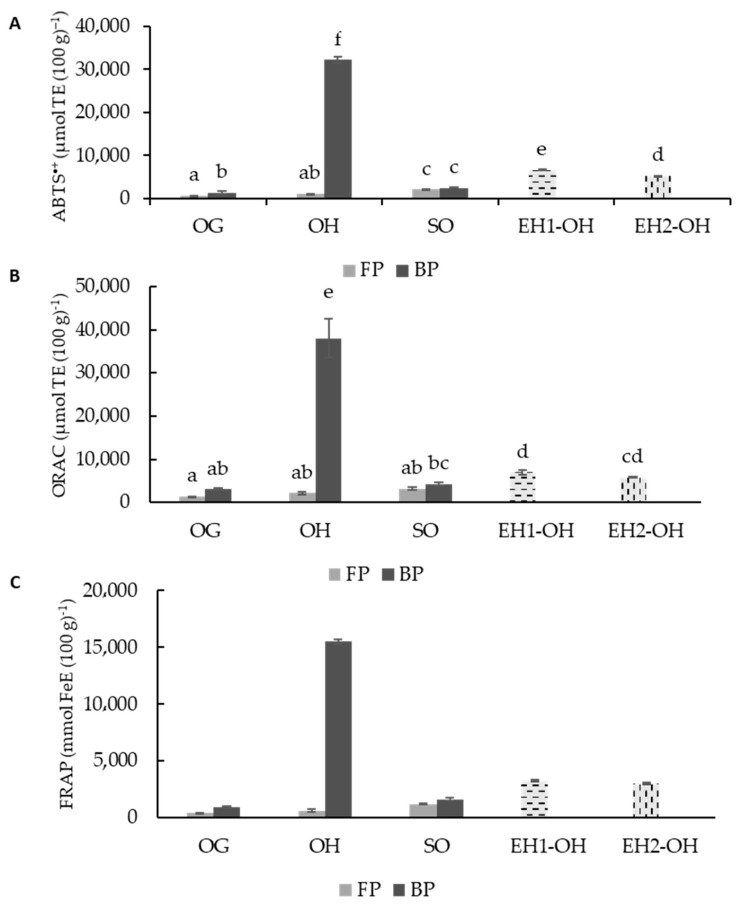
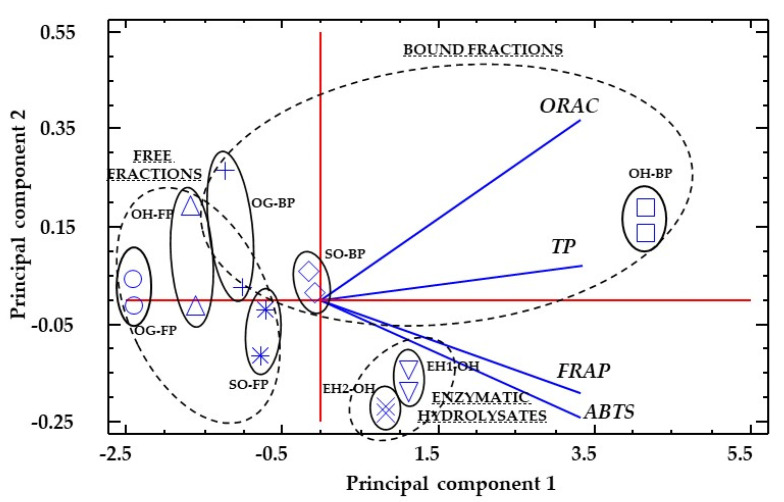
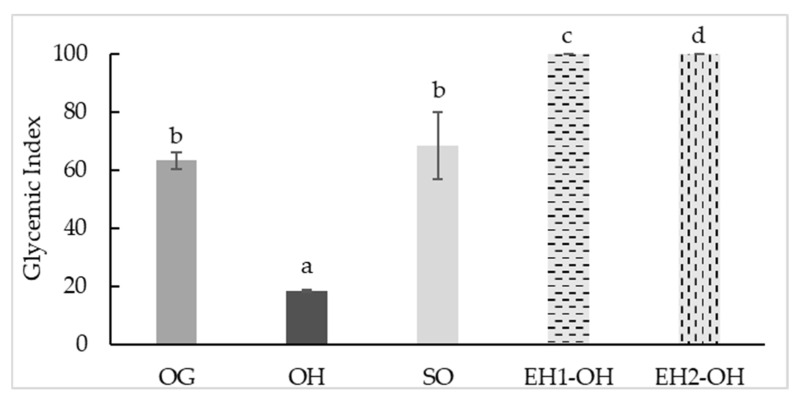
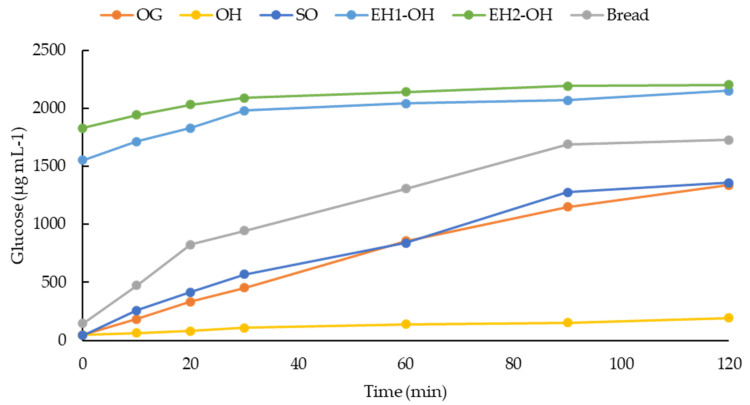
Oat consumption has increased during the last decade because of the health benefits associated with its soluble dietary fiber (β-glucan), functional proteins, lipids, and the presence of specific phytochemicals, such as avenanthramides. Oat is consumed mainly as whole grain, and the hull (seed coat), comprising 25-35% of the entire grain, is removed, generating a large amount of waste/by-product from the milling industry. The objective of this study was to evaluate the use of biotechnological strategies, such as sprouting for oat grain (OG) and hydrolysis for oat hull (OH), to enhance antioxidant and anti-inflammatory properties and lower the glycemic index (GI). Sprouting produced significant ( ≤ 0.05) increases in free (32.10 to 76.62 mg GAE (100 g)) and bound phenols (60.45 to 124.36 mg GAE (100 g)), increasing significantly ( ≤ 0.05) the avenanthramide (2c, 2p and 2f) soluble phenolic alkaloid content and anti-inflammatory properties of OG. On the other hand, the hydrolysis of OH using Viscoferm (EH2-OH) and Ultraflo XL (EH21-OH) increased by 4.5 and 5-fold the release of bound phenols, respectively; meanwhile, the use of Viscoferm increased the 4.55-fold soluble β-glucan content in OH, reaching values close to those of OG (4.04 vs. 4.46 g (100 g)). The study shows the potential of both strategies to enhance the nutritional and bioactive properties of OG and OH and describes these processes as feasible for the industry to obtain an ingredient with high antioxidant and anti-inflammatory activities. Single or combined biotechnological tools can be used on oat grains and hulls to provide nutraceutical ingredients.
在过去十年中,燕麦的消费量有所增加,这是因为其可溶性膳食纤维(β-葡聚糖)、功能性蛋白质、脂质以及特定植物化学物质(如燕麦酰胺)具有健康益处。燕麦主要以全谷物形式食用,占整个谷物25%-35%的谷壳(种皮)被去除,这在制粉行业产生了大量的废料/副产品。本研究的目的是评估生物技术策略的应用,如燕麦籽粒发芽和燕麦麸皮水解,以增强抗氧化和抗炎特性并降低血糖指数(GI)。发芽使游离酚(从32.10至76.62 mg GAE/100 g)和结合酚(从60.45至124.36 mg GAE/100 g)显著增加(p≤0.05),显著增加了燕麦酰胺(2c、2p和2f)可溶性酚类生物碱含量以及燕麦籽粒的抗炎特性。另一方面,使用Viscoferm(EH2-OH)和Ultraflo XL(EH21-OH)对燕麦麸皮进行水解,分别使结合酚的释放量增加了4.5倍和5倍;同时,使用Viscoferm使燕麦麸皮中可溶性β-葡聚糖含量增加了4.55倍,达到接近燕麦籽粒的值(4.04对4.46 g/100 g)。该研究表明这两种策略在增强燕麦籽粒和燕麦麸皮的营养及生物活性特性方面具有潜力,并将这些过程描述为该行业获得具有高抗氧化和抗炎活性成分的可行方法。单一或组合的生物技术工具可用于燕麦籽粒和麸皮,以提供营养保健品成分。