Xu Kejia, Li Hui, Zhang Bing, Le Meini, Huang Qiong, Fu Rao, Croppi Giorgia, Qian Gang, Zhang Junjie, Zhang Guangming, Lu Yinzhong
Department of Anesthesiology and Hongqiao International Institute of Medicine, Tongren Hospital, Shanghai Jiao Tong University School of Medicine, Shanghai, China.
Department of Anesthesiology, Taihe Hospital, Hubei University of Medicine, Shiyan, China.
Front Pharmacol. 2022 Sep 6;13:1004745. doi: 10.3389/fphar.2022.1004745. eCollection 2022.
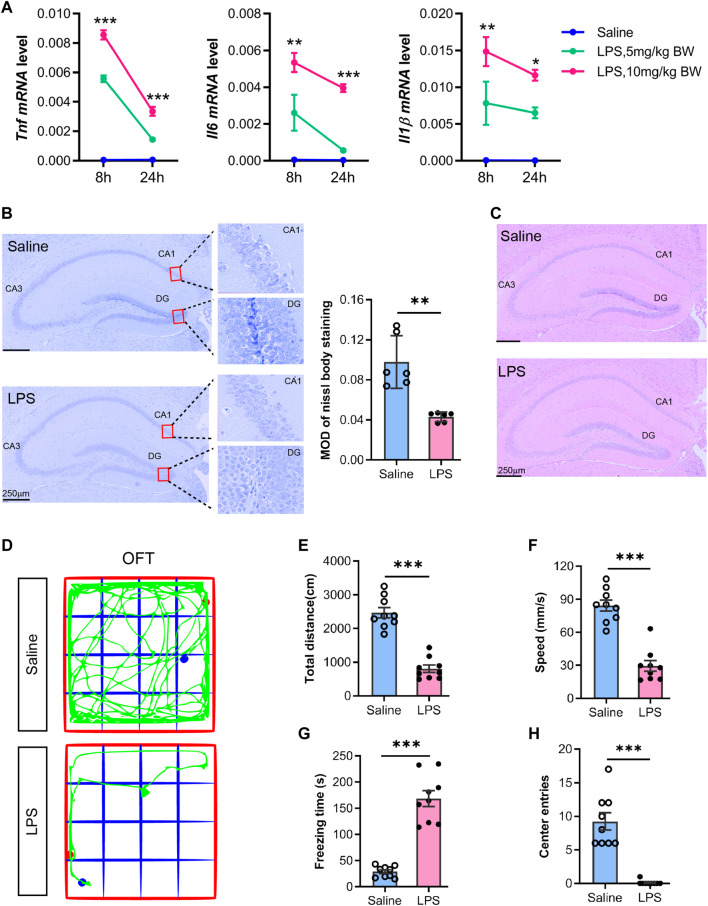
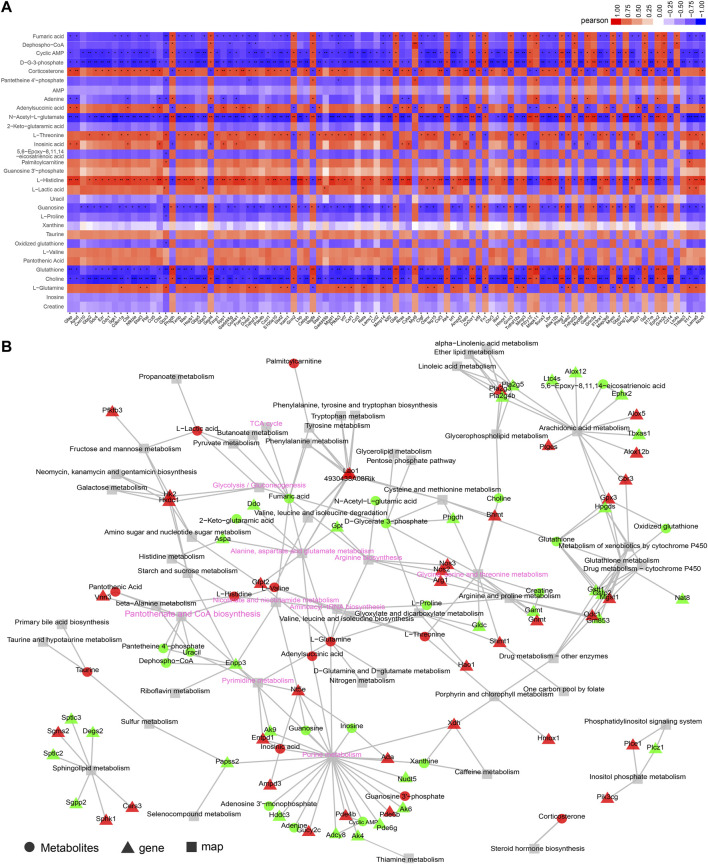
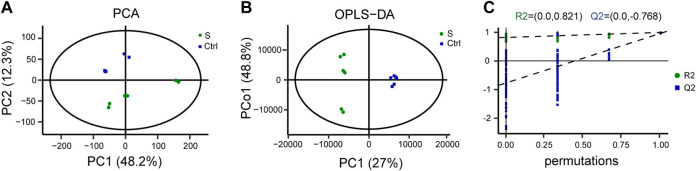
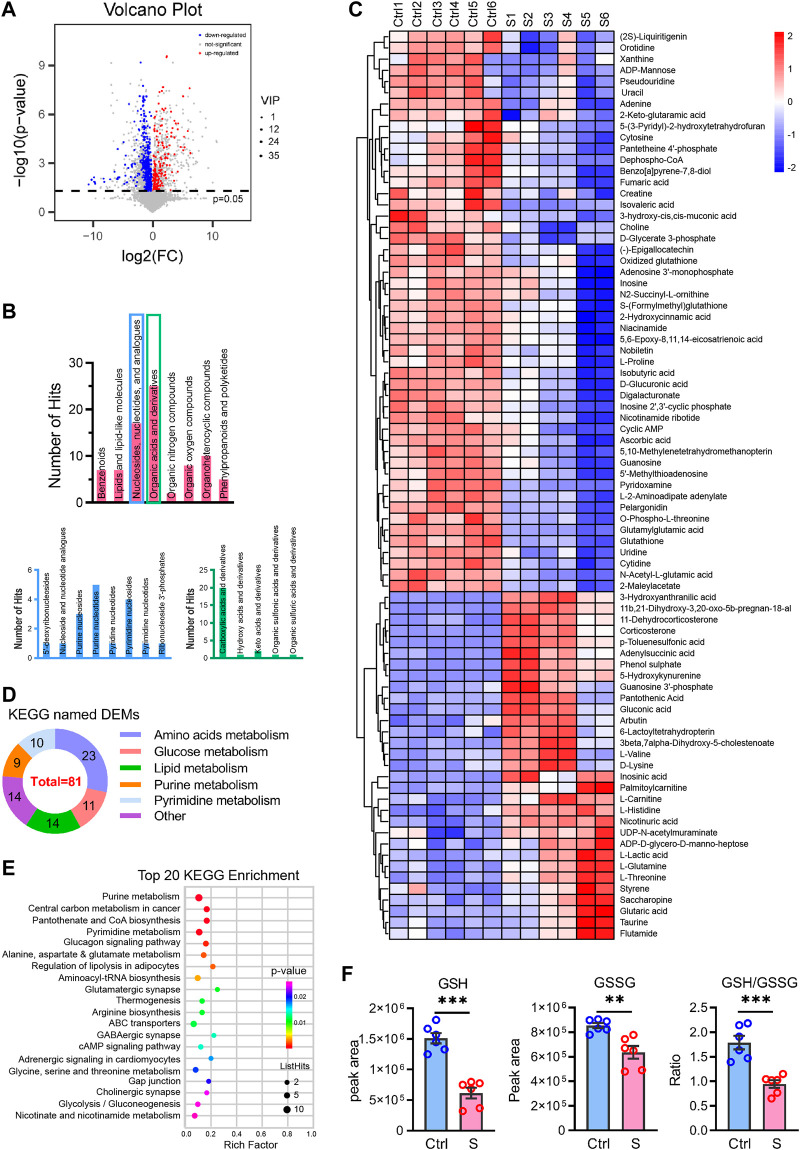
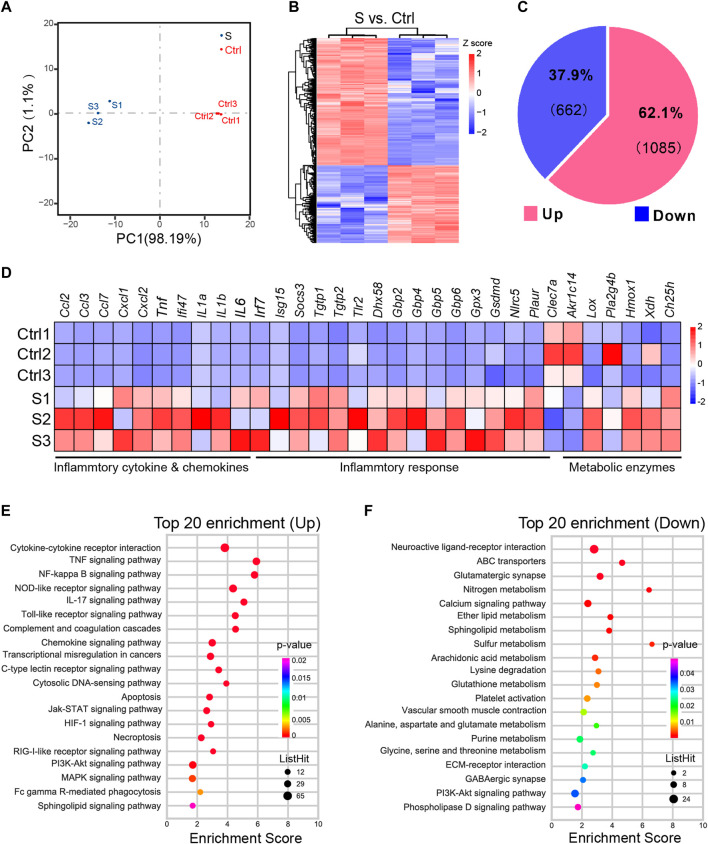
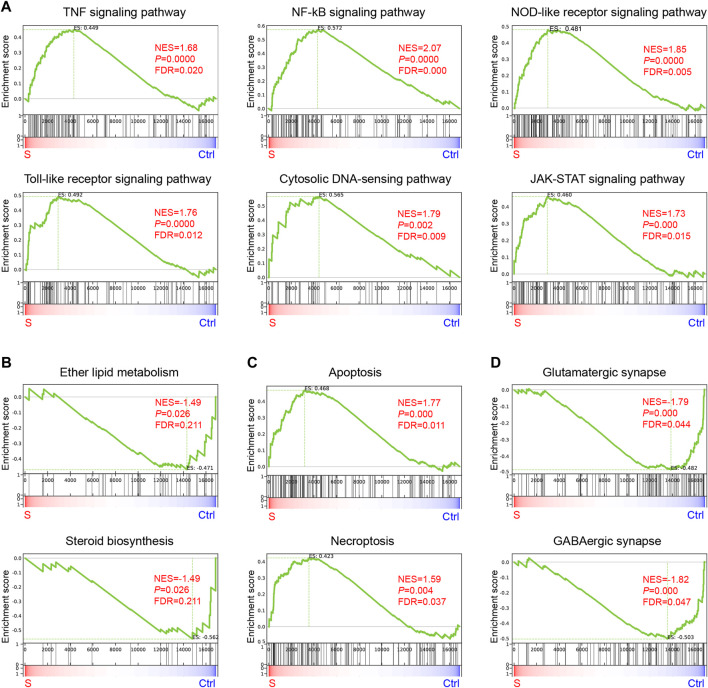
Sepsis-associated encephalopathy (SAE) is an intricated complication of sepsis that brings abnormal emotional and memory dysfunction and increases patients' mortality. Patients' alterations and abnormal function seen in SAE occur in the hippocampus, the primary brain region responsible for memory and emotional control, but the underlying pathophysiological mechanisms remain unclear. In the current study, we employed an integrative analysis combining the RNA-seq-based transcriptomics and liquid chromatography/mass spectrometry (LC-MS)-based metabolomics to comprehensively obtain the enriched genes and metabolites and their core network pathways in the endotoxin (LPS)-injected SAE mice model. As a result, SAE mice exhibited behavioral changes, and their hippocampus showed upregulated inflammatory cytokines and morphological alterations. The omics analysis identified 81 differentially expressed metabolites (variable importance in projection [VIP] > 1 and < 0.05) and 1747 differentially expressed genes (Foldchange >2 and < 0.05) were detected in SAE-grouped hippocampus. Moreover, 31 compounds and 100 potential target genes were employed for the Kyoto Encyclopedia of Genes and Genomes (KEGG) Markup Language (KGML) network analysis to explore the core signaling pathways for the progression of SAE. The integrative pathway analysis showed that various dysregulated metabolism pathways, including lipids metabolism, amino acids, glucose and nucleotides, inflammation-related pathways, and deregulated synapses, were tightly associated with hippocampus dysfunction at early SAE. These findings provide a landscape for understanding the pathophysiological mechanisms of the hippocampus in the progression of SAE and pave the way to identify therapeutic targets in future studies.
脓毒症相关性脑病(SAE)是脓毒症的一种复杂并发症,可导致异常的情绪和记忆功能障碍,并增加患者死亡率。SAE患者出现的改变和功能异常发生在海马体,即负责记忆和情绪控制的主要脑区,但其潜在的病理生理机制仍不清楚。在本研究中,我们采用基于RNA测序的转录组学和基于液相色谱/质谱(LC-MS)的代谢组学相结合的综合分析方法,全面获取内毒素(LPS)注射的SAE小鼠模型中富集的基因和代谢物及其核心网络通路。结果显示,SAE小鼠出现行为改变,其海马体表现出炎症细胞因子上调和形态学改变。组学分析在SAE组海马体中鉴定出81种差异表达代谢物(投影变量重要性[VIP]>1且<0.05),并检测到1747个差异表达基因(变化倍数>2且<0.05)。此外,对31种化合物和100个潜在靶基因进行京都基因与基因组百科全书(KEGG)标记语言(KGML)网络分析,以探索SAE进展的核心信号通路。综合通路分析表明,包括脂质代谢、氨基酸、葡萄糖和核苷酸代谢在内的各种失调代谢通路、炎症相关通路以及失调的突触与SAE早期的海马体功能障碍密切相关。这些发现为理解SAE进展过程中海马体的病理生理机制提供了一个全景,并为未来研究中确定治疗靶点铺平了道路。