Sun Feifei, Sun Aijiao, Chen Yixin, Xiao Yangjie, Zhang Xintong, Qiao Wei, Tan Xueying, Liang Yanxiao, Li Dongyu, Yang Shu, Ren Weidong
Department of Ultrasound, Shengjing Hospital of China Medical University, Shenyang, China.
Department of Cardiac Surgery, Shengjing Hospital of China Medical University, Shenyang, China.
Front Physiol. 2022 Sep 6;13:1000007. doi: 10.3389/fphys.2022.1000007. eCollection 2022.
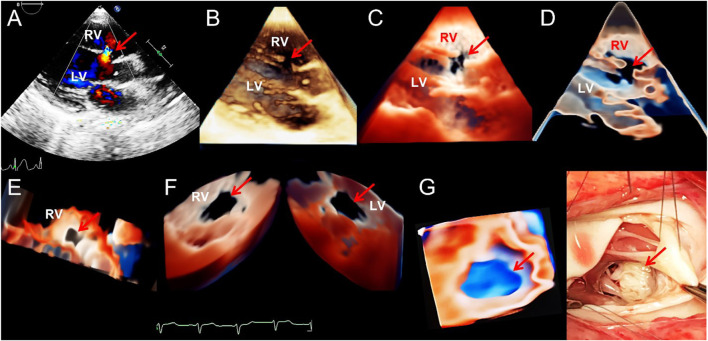
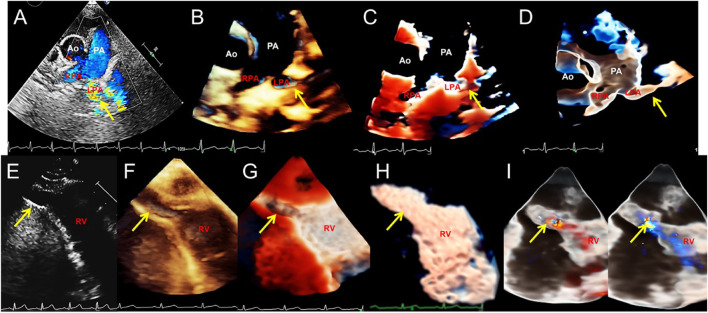
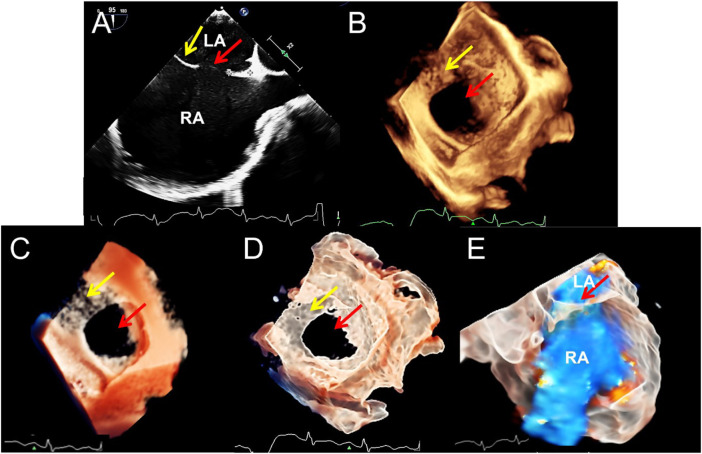
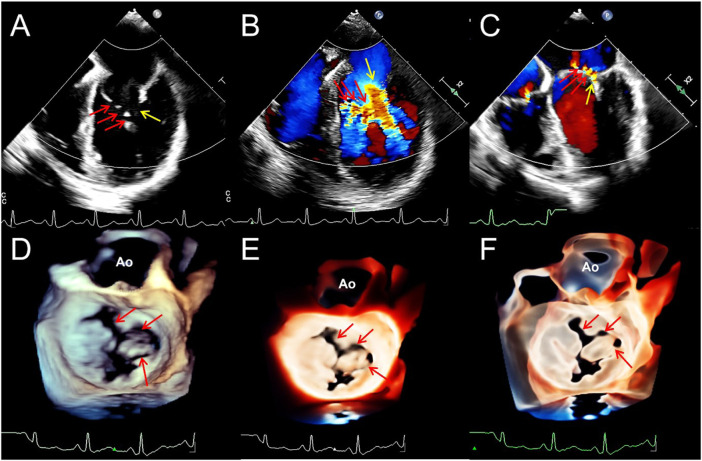
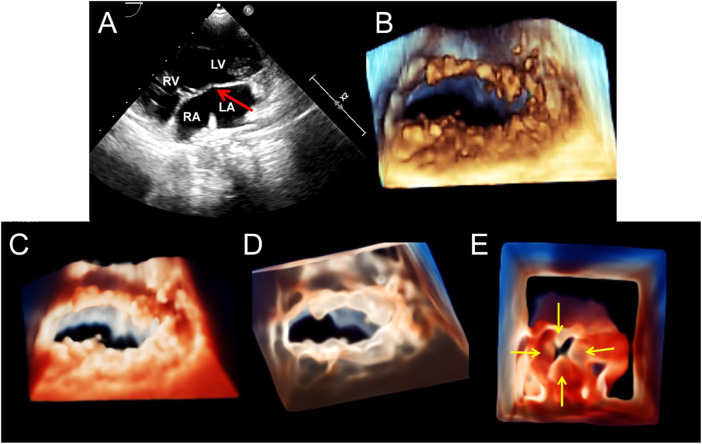
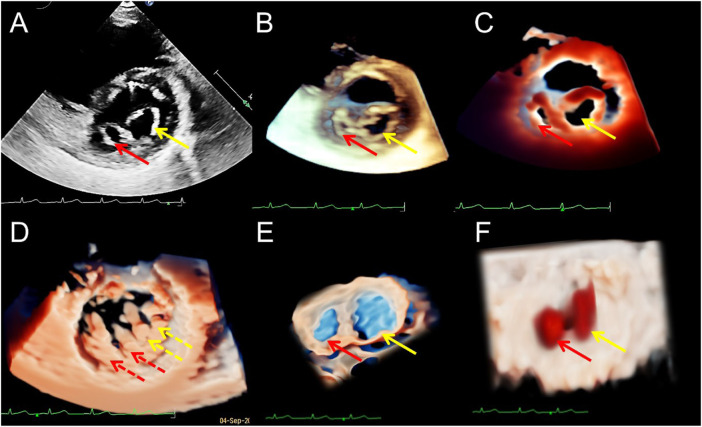
This study explored the advantages and limitations of novel series of three-dimensional (3D) echocardiographic techniques and summarized their application methods for congenital heart diseases (CHDs). Two-dimensional (2D), traditional 3D echocardiography, and TrueVue plus light and/or Glass novel 3D technologies were performed on 62 patients with CHD, and a clinical survey was designed to judge whether the novel 3D images were more helpful for understanding the cardiac condition and guide treatment than traditional 3D images. TrueVue increased the visual resolution and simulated the true texture of cardiac tissue, significantly improving the display ability of abnormal anatomical structures in CHDs. TrueVue Glass displayed the blood channel and the internal structure of cardiac cavity more intuitively, indicating a new observation aspect not shown by conventional echocardiography. The clinical survey results showed that the new 3D imaging methods effectively increased the diagnostic confidence of echocardiographers, enabled surgeons to better understand the details of lesions, promoted efficient communication, and improved the confidence of both doctors and patients in treatment. The combined application of TrueVue, TrueVue Light, and TrueVue Glass more closely simulated real anatomical features, showed more comprehensive and subtle blood flow in the lumen, not only increased the visual effect but also provided more useful diagnostic information, improved the accuracy of evaluation and treatment of CHD when compared to traditional imaging techniques, indicating that this combined application has significant clinical value.
本研究探讨了新型系列三维(3D)超声心动图技术的优势与局限性,并总结了其在先天性心脏病(CHD)中的应用方法。对62例CHD患者进行了二维(2D)、传统3D超声心动图以及TrueVue加光和/或Glass新型3D技术检查,并设计了一项临床调查,以判断新型3D图像在了解心脏状况和指导治疗方面是否比传统3D图像更有帮助。TrueVue提高了视觉分辨率,模拟了心脏组织的真实纹理,显著提高了CHD中异常解剖结构的显示能力。TrueVue Glass更直观地显示了血道和心腔内部结构,显示了传统超声心动图未显示的新观察视角。临床调查结果表明,新的3D成像方法有效提高了超声心动图医生的诊断信心,使外科医生能够更好地了解病变细节,促进了高效沟通,并提高了医生和患者对治疗的信心。TrueVue、TrueVue Light和TrueVue Glass的联合应用更紧密地模拟了真实解剖特征,显示管腔内血流更全面、细微,不仅增强了视觉效果,还提供了更多有用的诊断信息,与传统成像技术相比,提高了CHD评估和治疗的准确性,表明这种联合应用具有显著的临床价值。