Immunology Department, QIMR Berghofer Medical Research Institute, Brisbane, Queensland, Australia.
Statistics Unit, QIMR Berghofer Medical Research Institute, Brisbane, Queensland, Australia.
PLoS Pathog. 2022 Sep 26;18(9):e1010867. doi: 10.1371/journal.ppat.1010867. eCollection 2022 Sep.
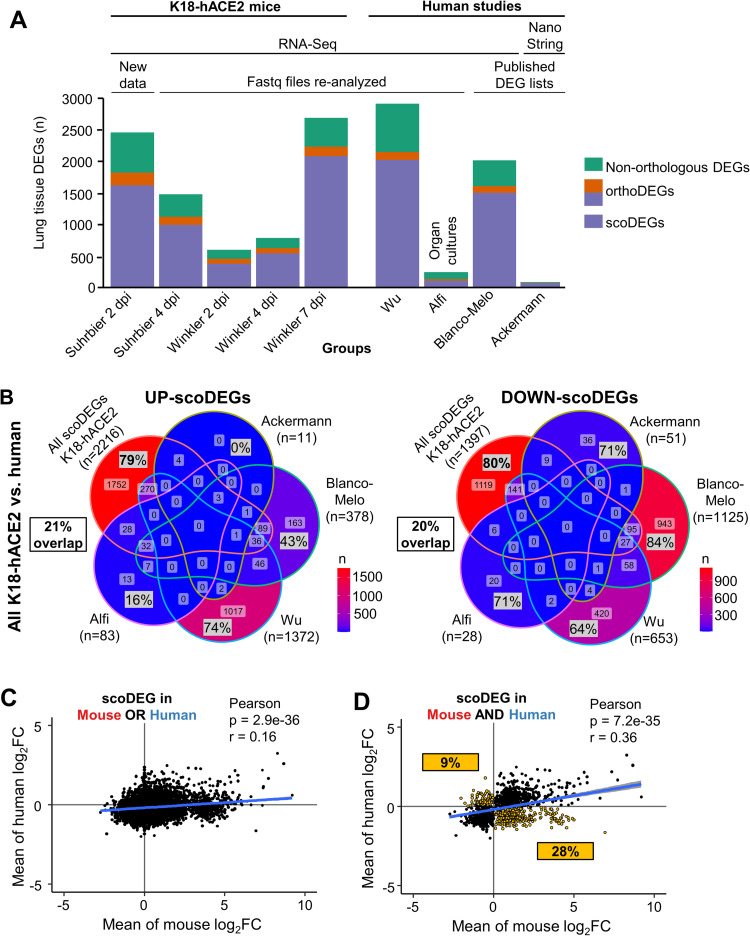
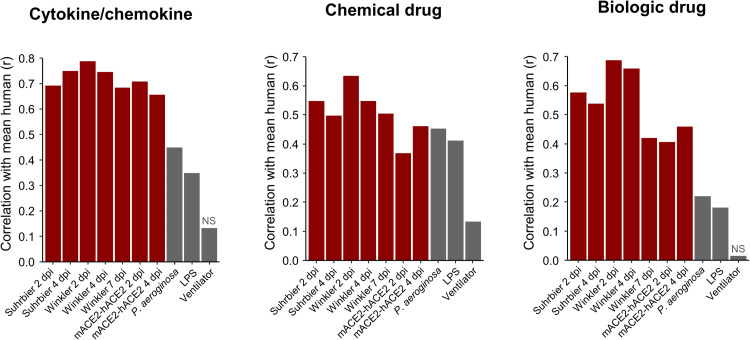
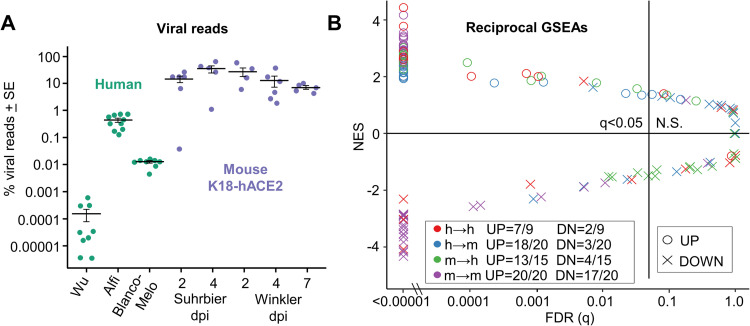
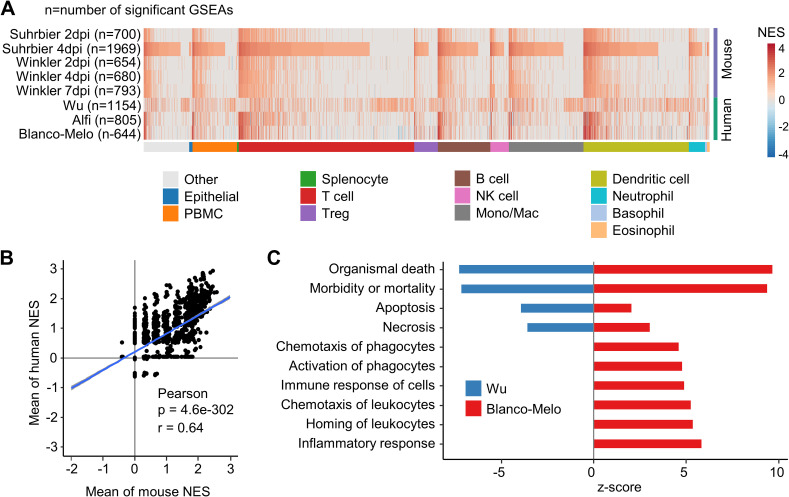
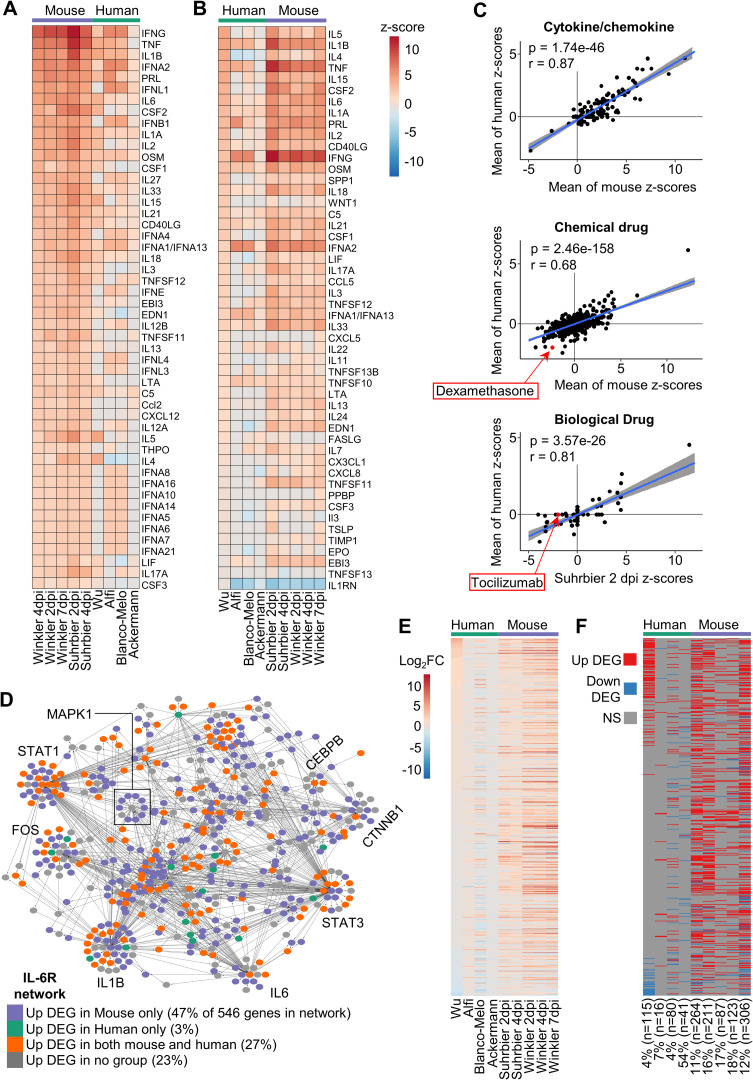
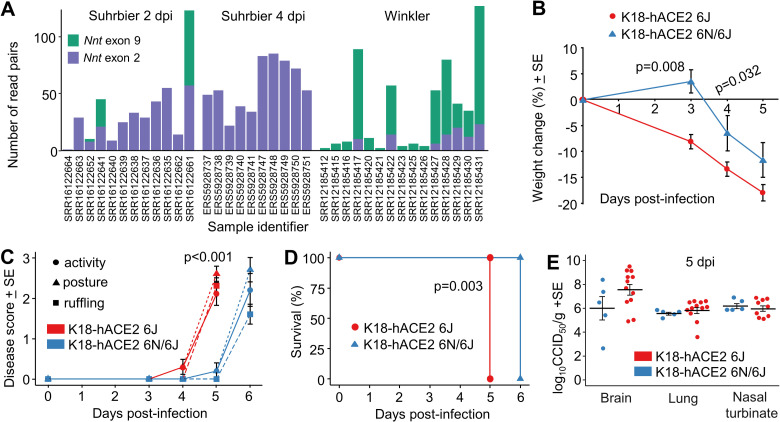
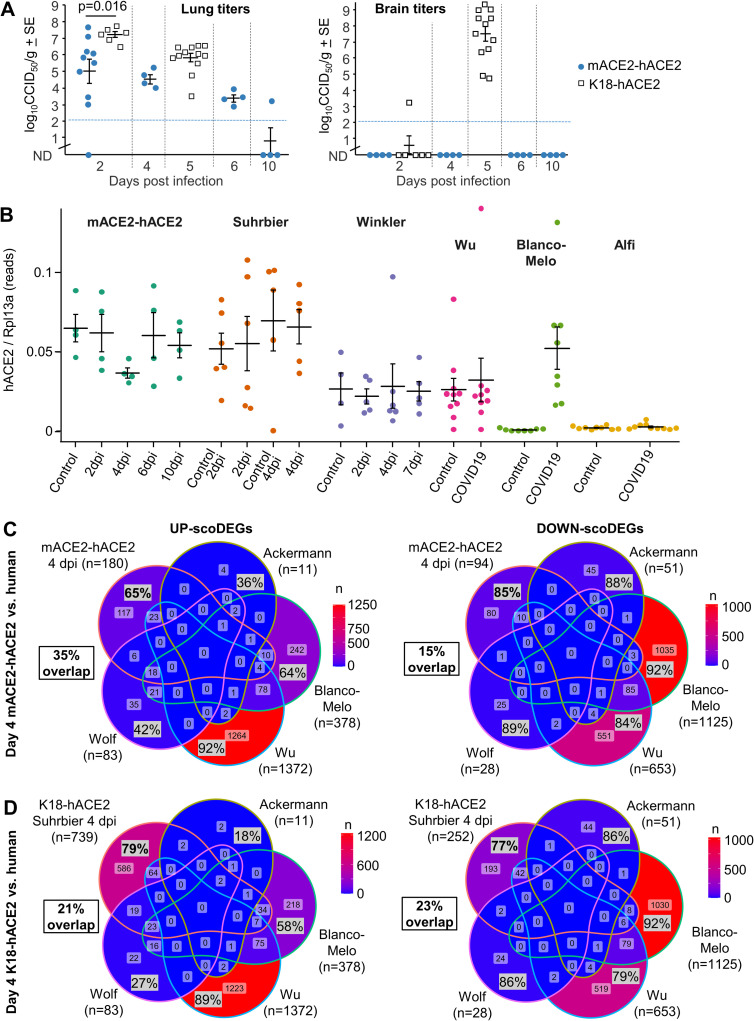
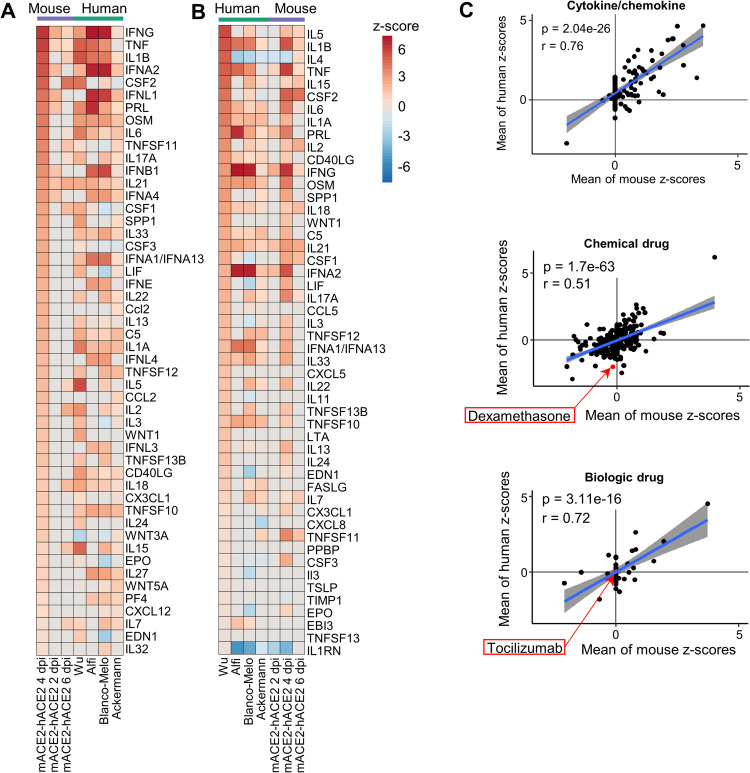
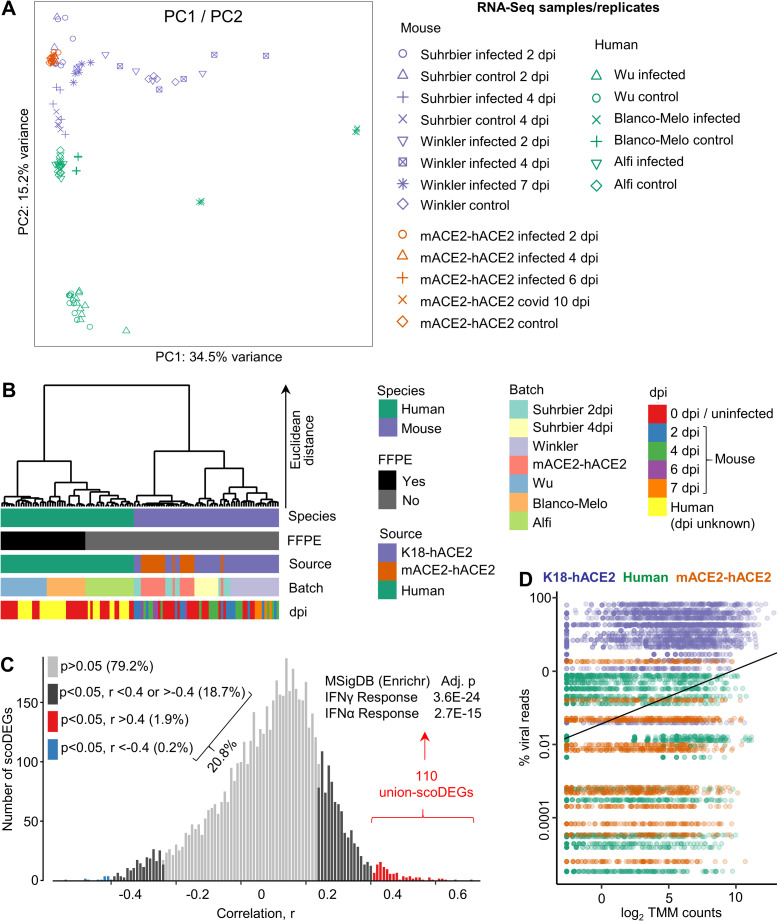
How well mouse models recapitulate the transcriptional profiles seen in humans remains debatable, with both conservation and diversity identified in various settings. Herein we use RNA-Seq data and bioinformatics approaches to analyze the transcriptional responses in SARS-CoV-2 infected lungs, comparing 4 human studies with the widely used K18-hACE2 mouse model, a model where hACE2 is expressed from the mouse ACE2 promoter, and a model that uses a mouse adapted virus and wild-type mice. Overlap of single copy orthologue differentially expressed genes (scoDEGs) between human and mouse studies was generally poor (≈15-35%). Rather than being associated with batch, sample treatment, viral load, lung damage or mouse model, the poor overlaps were primarily due to scoDEG expression differences between species. Importantly, analyses of immune signatures and inflammatory pathways illustrated highly significant concordances between species. As immunity and immunopathology are the focus of most studies, these mouse models can thus be viewed as representative and relevant models of COVID-19.
小鼠模型在多大程度上能够重现人类的转录谱仍存在争议,在各种情况下都发现了保守性和多样性。在此,我们使用 RNA-Seq 数据和生物信息学方法来分析 SARS-CoV-2 感染肺部的转录反应,将 4 项人类研究与广泛使用的 K18-hACE2 小鼠模型进行比较,该模型中 hACE2 由小鼠 ACE2 启动子表达,并且使用小鼠适应性病毒和野生型小鼠。人类和小鼠研究中单个拷贝直系同源差异表达基因 (scoDEGs) 的重叠通常较差 (≈15-35%)。较差的重叠主要不是与批次、样本处理、病毒载量、肺损伤或小鼠模型相关,而是由于物种之间 scoDEG 表达的差异。重要的是,免疫特征和炎症途径的分析表明物种之间具有高度显著的一致性。由于免疫和免疫病理学是大多数研究的重点,因此这些小鼠模型可以被视为 COVID-19 的代表性和相关模型。