Ezeh Madeleine I, Okonkwo Onyinyechi E, Okpoli Innocent N, Orji Chima E, Modozie Benjamin U, Onyema Augustine C, Ezebuo Fortunatus C
Department of Pharmaceutical and Medicinal Chemistry, Faculty of Pharmaceutical Sciences, Nnamdi Azikiwe University, PMB 5025, Awka 420110, Anambra State, Nigeria.
Drug Design and Informatics Group, Faculty of Pharmaceutical Sciences, Nnamdi Azikiwe University, PMB 5025, Awka 420110, Anambra State, Nigeria.
ACS Omega. 2022 Sep 6;7(37):33330-33348. doi: 10.1021/acsomega.2c03945. eCollection 2022 Sep 20.
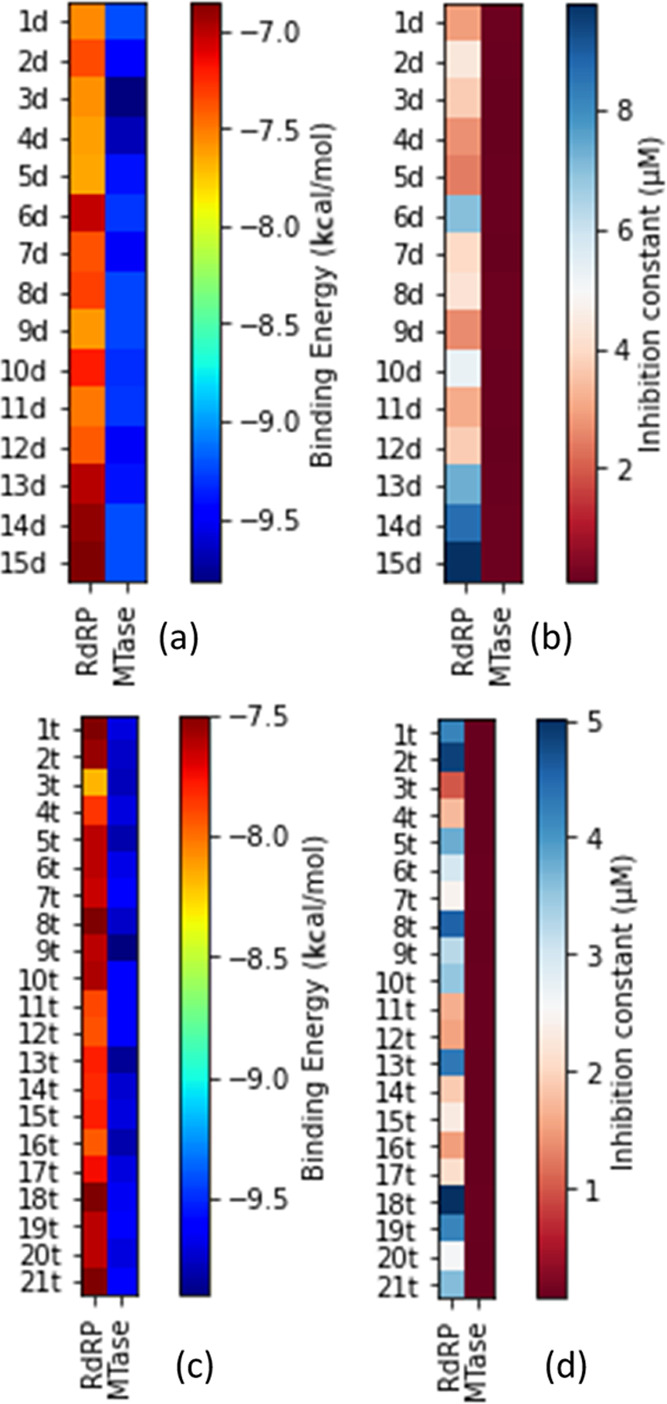
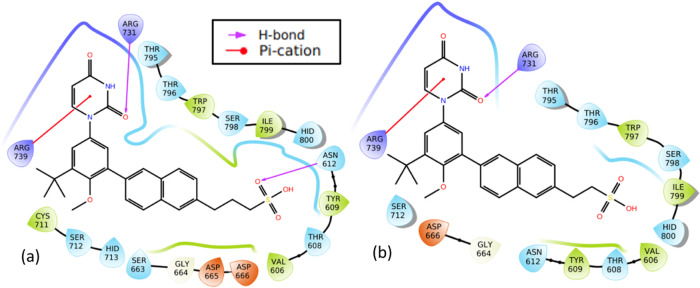
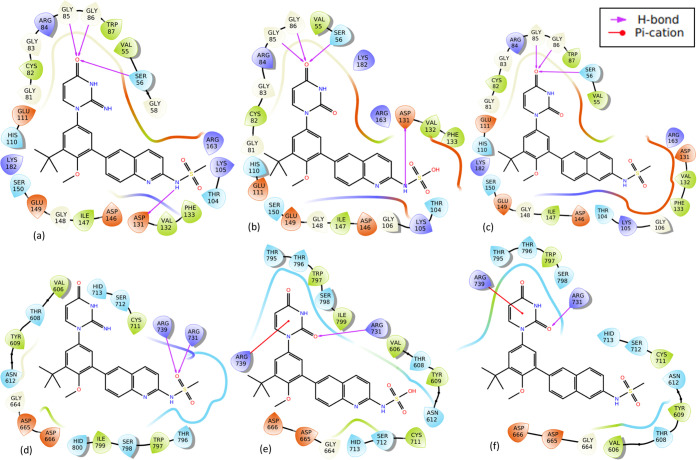
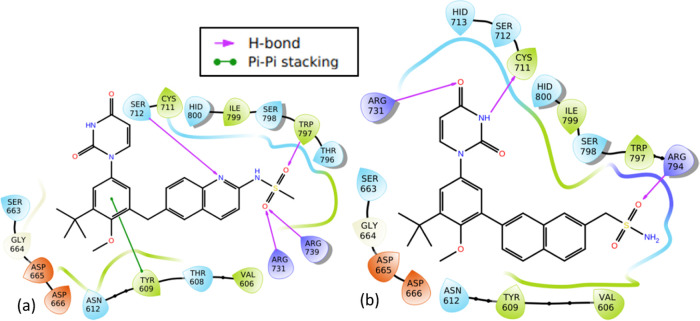
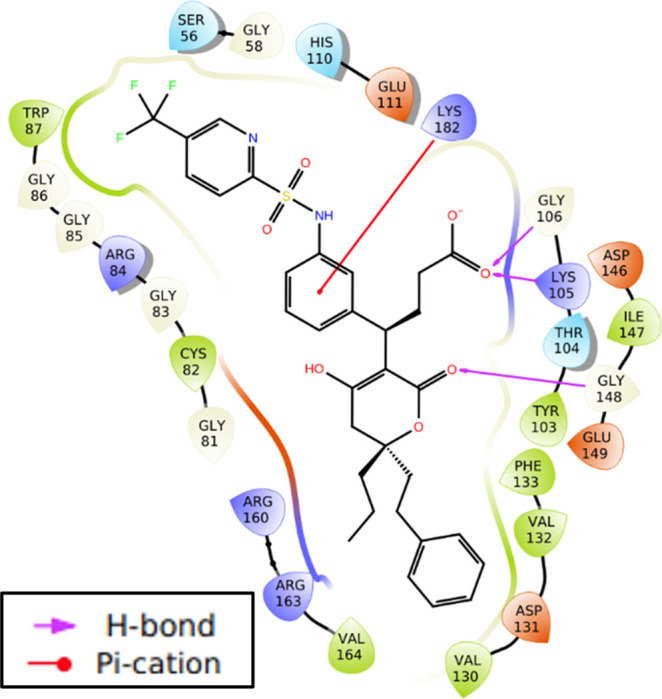
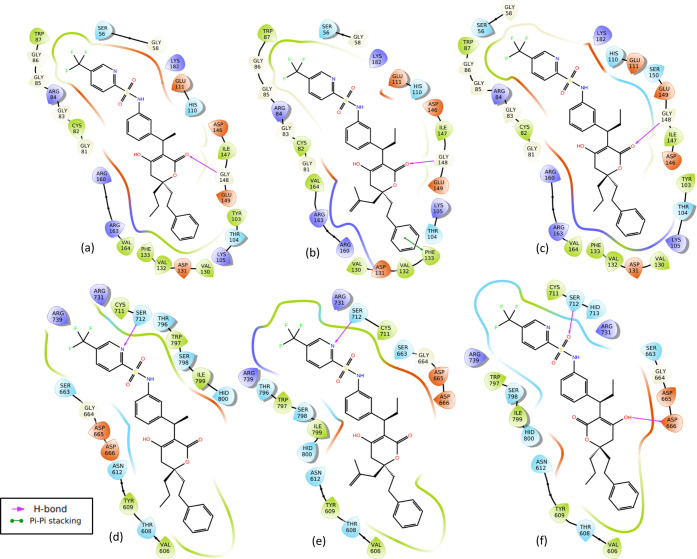
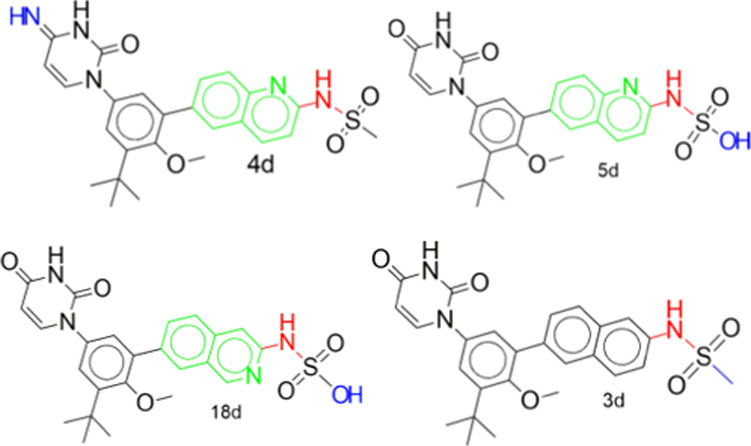
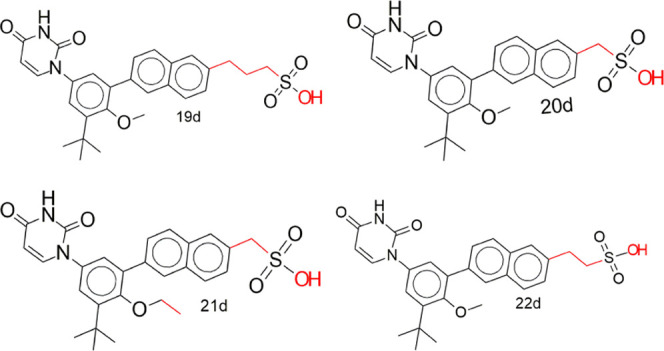
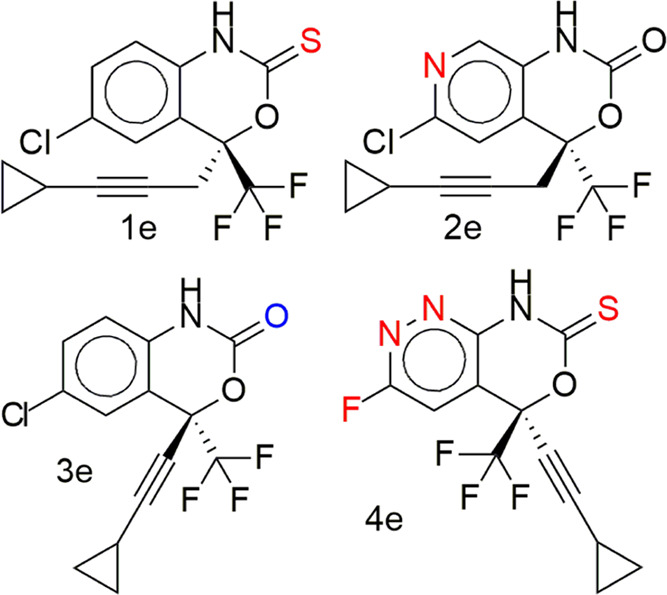
Zika virus (ZIKV) infection is one of the mosquito-borne flaviviruses of human importance with more than 2 million suspected cases and more than 1 million people infected in about 30 countries. There are reported inhibitors of the zika virus replication machinery, but no approved effective antiviral therapy including vaccines directed against the virus for treatment or prevention is currently available. The study investigated the chemoinformatic design and profiling of derivatives of dasabuvir, efavirenz, and tipranavir as potential inhibitors of the zika virus RNA-dependent RNA polymerase (RdRP) and/or methyltransferase (MTase). The three-dimensional (3D) coordinates of dasabuvir, efavirenz, and tipranavir were obtained from the PubChem database, and their respective derivatives were designed with DataWarrior-5.2.1 using an evolutionary algorithm. Derivatives that were not mutagenic, tumorigenic, or irritant were selected; docked into RdRP and MTase; and further subjected to absorption, distribution, metabolism, excretion, and toxicity (ADMET) evaluation with Swiss-ADME and pkCSM web tools. Some of the designed compounds are Lipinski's rule-of-five compliant, with good synthetic accessibilities. Compounds , , , and are nontoxic with the only limitation of CYP1A2, CYP2C19, and/or CYP2C9 inhibition. Replacements of -CH and -NH- in the methanesulfonamide moiety of dasabuvir with -OH and -CH- or -CHCH-, respectively, improved the safety/toxicity profile. Hepatotoxicity in , , and is likely due to -NH- in their methanesulfonamide/sulfamic acid moieties. These compounds are potent inhibitors of N-7 and 2'-methylation activities of ZIKV methyltransferase and/or RNA synthesis through interactions with amino acid residues in the priming loop/"N-pocket" in the virus RdRP. Synthesis of these compounds and wet laboratory validation against ZIKV are recommended.
寨卡病毒(ZIKV)感染是一种由蚊子传播的、对人类具有重要影响的黄病毒,在约30个国家有超过200万疑似病例,超过100万人感染。有报道称存在寨卡病毒复制机制的抑制剂,但目前尚无获批的有效抗病毒疗法,包括针对该病毒的治疗或预防疫苗。该研究调查了达沙布韦、依法韦仑和替拉那韦衍生物作为寨卡病毒RNA依赖性RNA聚合酶(RdRP)和/或甲基转移酶(MTase)潜在抑制剂的化学信息学设计和分析。达沙布韦、依法韦仑和替拉那韦的三维(3D)坐标从PubChem数据库中获取,其各自的衍生物使用DataWarrior-5.2.1通过进化算法进行设计。选择无致突变性、致癌性或刺激性的衍生物;对接至RdRP和MTase;并使用Swiss-ADME和pkCSM网络工具进一步进行吸收、分布、代谢、排泄和毒性(ADMET)评估。一些设计的化合物符合Lipinski的五规则,具有良好的合成可及性。化合物 、 、 和 无毒,唯一的局限性是抑制CYP1A2、CYP2C19和/或CYP2C9。分别用-OH和-CH-或-CHCH-取代达沙布韦甲磺酰胺部分中的-CH和-NH-,改善了安全性/毒性特征。 、 和 中的肝毒性可能是由于其甲磺酰胺/氨基磺酸部分中的-NH-。这些化合物通过与病毒RdRP起始环/“N口袋”中的氨基酸残基相互作用,是寨卡病毒甲基转移酶N-7和2'-甲基化活性和/或RNA合成的有效抑制剂。建议合成这些化合物并针对寨卡病毒进行湿实验室验证。