Department of Radiology, Graduate School of Medicine, The University of Tokyo, 7-3-1, Hongo, Bunkyo-ku, Tokyo, 113-8655, Japan.
Division of Neuroradiology, Department of Radiology, University of Michigan, 1500 E Medical Center Dr, Ann Arbor, MI, 48109, USA.
Jpn J Radiol. 2023 Feb;41(2):115-130. doi: 10.1007/s11604-022-01343-5. Epub 2022 Sep 28.
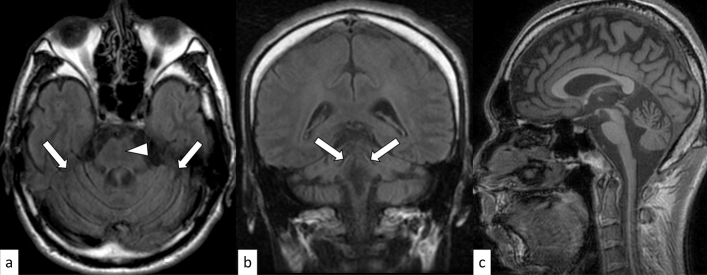
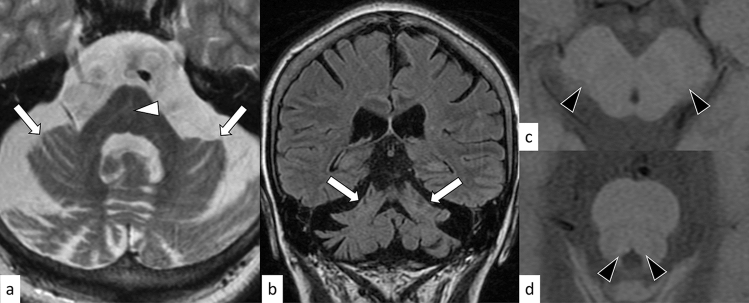
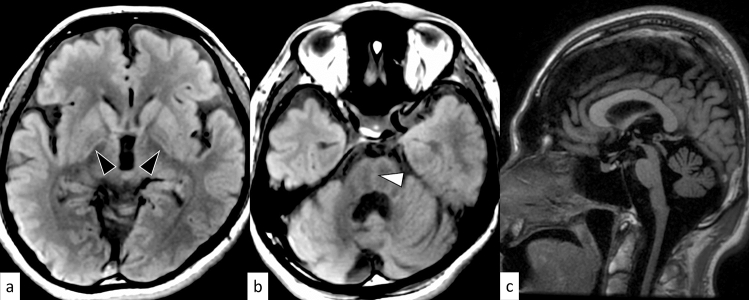
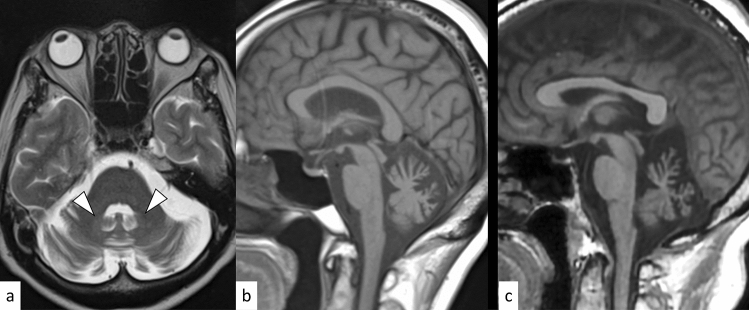
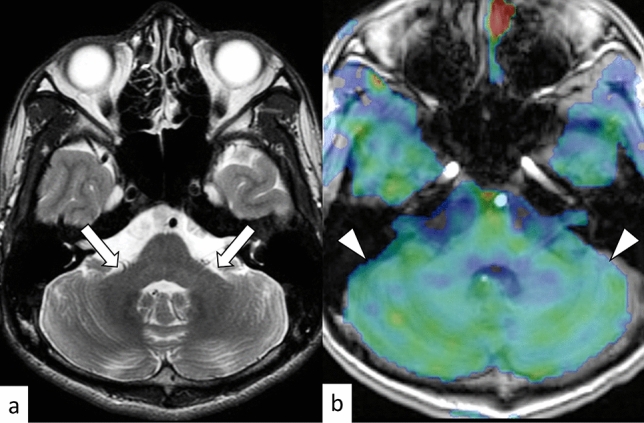
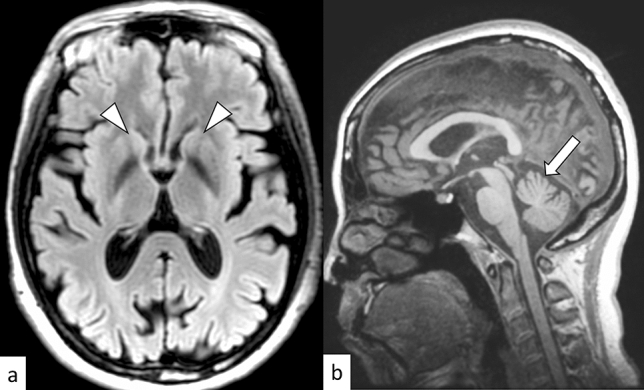
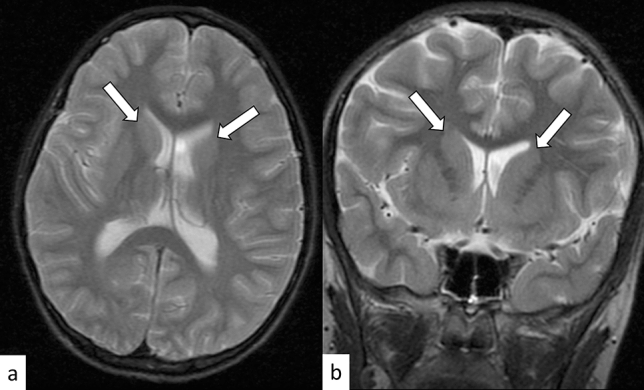
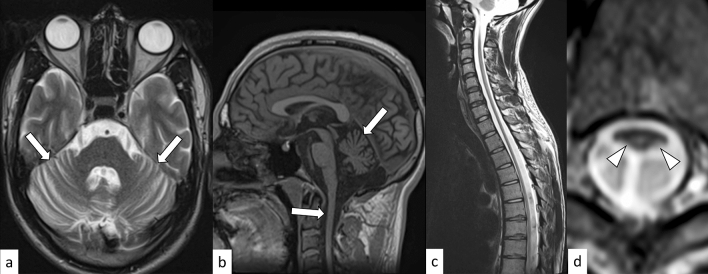
Triplet repeat diseases (TRDs) refer to a group of diseases caused by three nucleotide repeats elongated beyond a pathologic threshold. TRDs are divided into the following four groups depending on the pathomechanisms, although the pathomechanisms of several diseases remain unelucidated: polyglutamine disorders, caused by a pathologic repeat expansion of CAG (coding the amino acid glutamine) located within the exon; loss-of-function repeat disorders, characterized by the common feature of a loss of function of the gene within which they occur; RNA gain-of-function disorders, involving the production of a toxic RNA species; and polyalanine disorders, caused by a pathologic repeat expansion of GCN (coding the amino acid alanine) located within the exon. Many of these TRDs manifest through neurologic symptoms; moreover, neuroimaging, especially brain magnetic resonance imaging, plays a pivotal role in the detection of abnormalities, differentiation, and management of TRDs. In this article, we reviewed the clinical and neuroimaging features of TRDs. An early diagnosis of TRDs through clinical and imaging approaches is important and may contribute to appropriate medical intervention for patients and their families.
三核苷酸重复疾病(TRD)是一组由三个核苷酸重复延伸超过病理阈值引起的疾病。TRD 可根据发病机制分为以下四组,尽管几种疾病的发病机制仍不清楚:多聚谷氨酰胺疾病,由位于外显子内的 CAG(编码氨基酸谷氨酰胺)病理性重复扩展引起;功能丧失重复疾病,其特征为发生在其中的基因的功能丧失的常见特征;RNA 获得功能疾病,涉及产生毒性 RNA 种类;和多丙氨酸疾病,由位于外显子内的 GCN(编码氨基酸丙氨酸)的病理性重复扩展引起。这些 TRD 中的许多通过神经症状表现出来;此外,神经影像学,特别是大脑磁共振成像,在 TRD 的异常检测、鉴别和管理中起着关键作用。在本文中,我们回顾了 TRD 的临床和神经影像学特征。通过临床和影像学方法早期诊断 TRD 很重要,可能有助于为患者及其家属提供适当的医疗干预。