Qi Cai, Luo Li-Da, Feng Irena, Ma Shaojie
Department of Neuroscience, Yale School of Medicine, New Haven, CT, United States.
Department of Cellular and Molecular Physiology, Program in Cellular Neuroscience, Neurodegeneration and Repair, Yale University School of Medicine, New Haven, CT, United States.
Front Synaptic Neurosci. 2022 Sep 13;14:939793. doi: 10.3389/fnsyn.2022.939793. eCollection 2022.
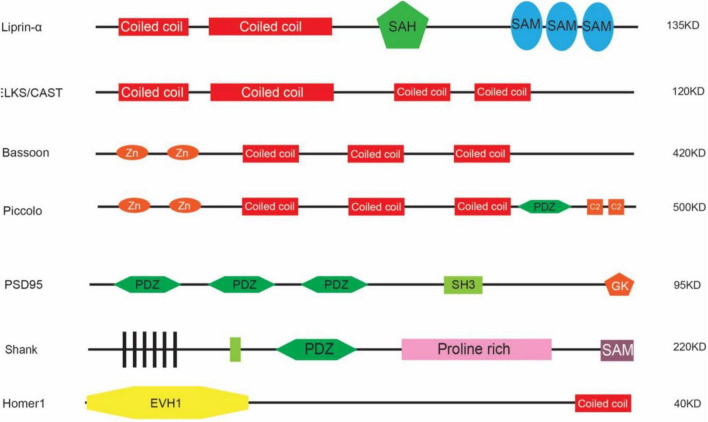
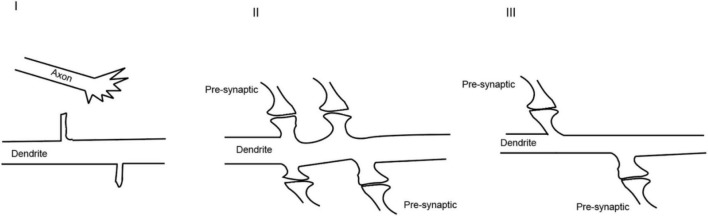
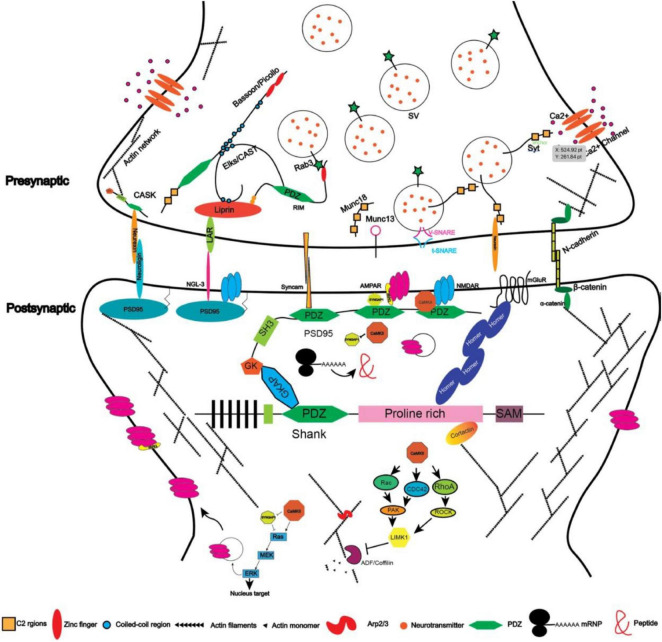
Synapses are the basic units for information processing and storage in the nervous system. It is only when the synaptic connection is established, that it becomes meaningful to discuss the structure and function of a circuit. In humans, our unparalleled cognitive abilities are correlated with an increase in the number of synapses. Additionally, genes involved in synaptogenesis are also frequently associated with neurological or psychiatric disorders, suggesting a relationship between synaptogenesis and brain physiology and pathology. Thus, understanding the molecular mechanisms of synaptogenesis is the key to the mystery of circuit assembly and neural computation. Furthermore, it would provide therapeutic insights for the treatment of neurological and psychiatric disorders. Multiple molecular events must be precisely coordinated to generate a synapse. To understand the molecular mechanisms underlying synaptogenesis, we need to know the molecular components of synapses, how these molecular components are held together, and how the molecular networks are refined in response to neural activity to generate new synapses. Thanks to the intensive investigations in this field, our understanding of the process of synaptogenesis has progressed significantly. Here, we will review the molecular mechanisms of synaptogenesis by going over the studies on the identification of molecular components in synapses and their functions in synaptogenesis, how cell adhesion molecules connect these synaptic molecules together, and how neural activity mobilizes these molecules to generate new synapses. Finally, we will summarize the human-specific regulatory mechanisms in synaptogenesis and results from human genetics studies on synaptogenesis and brain disorders.
突触是神经系统中信息处理和存储的基本单元。只有当突触连接建立起来,讨论一个神经回路的结构和功能才有意义。在人类中,我们无与伦比的认知能力与突触数量的增加相关。此外,参与突触形成的基因也经常与神经或精神疾病相关,这表明突触形成与大脑生理和病理之间存在关联。因此,理解突触形成的分子机制是解开神经回路组装和神经计算之谜的关键。此外,它还将为神经和精神疾病的治疗提供治疗思路。多个分子事件必须精确协调才能产生一个突触。为了理解突触形成的分子机制,我们需要了解突触的分子成分、这些分子成分是如何结合在一起的,以及分子网络如何响应神经活动而优化以产生新的突触。由于该领域的深入研究,我们对突触形成过程的理解有了显著进展。在这里,我们将通过回顾关于突触中分子成分的鉴定及其在突触形成中的功能的研究、细胞粘附分子如何将这些突触分子连接在一起,以及神经活动如何调动这些分子以产生新的突触,来综述突触形成的分子机制。最后,我们将总结突触形成中人类特有的调节机制以及人类遗传学研究中关于突触形成和脑部疾病的结果。