Department of Nursing, Umeå University, Umeå, Sweden.
Faculty of Health, Aarhus University, Aarhus, Denmark.
BMC Med Res Methodol. 2022 Oct 1;22(1):255. doi: 10.1186/s12874-022-01732-4.
Qualitative longitudinal research (QLR) comprises qualitative studies, with repeated data collection, that focus on the temporality (e.g., time and change) of a phenomenon. The use of QLR is increasing in health research since many topics within health involve change (e.g., progressive illness, rehabilitation). A method study can provide an insightful understanding of the use, trends and variations within this approach. The aim of this study was to map how QLR articles within the existing health research literature are designed to capture aspects of time and/or change.
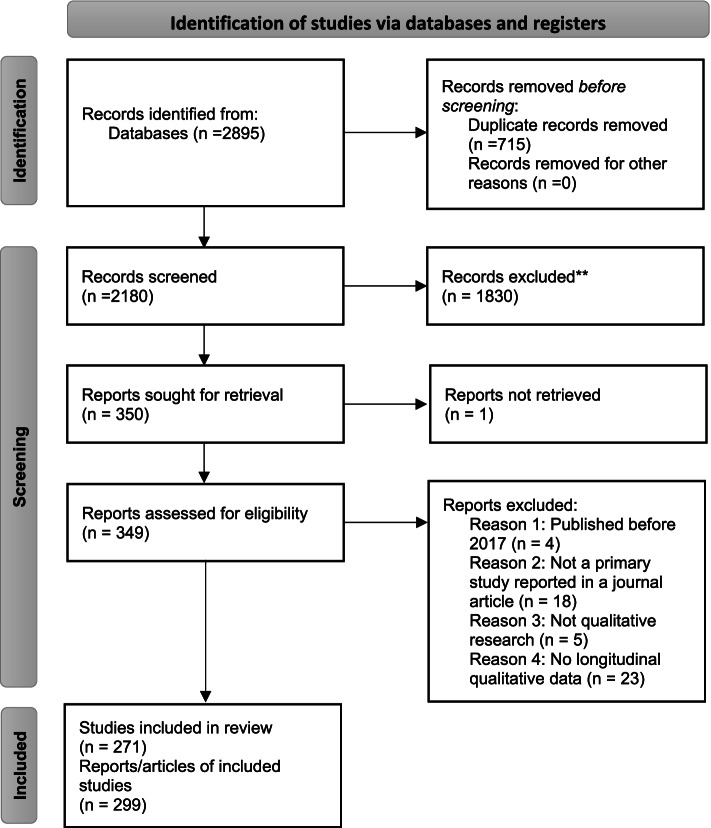
This method study used an adapted scoping review design. Articles were eligible if they were written in English, published between 2017 and 2019, and reported results from qualitative data collected at different time points/time waves with the same sample or in the same setting. Articles were identified using EBSCOhost. Two independent reviewers performed the screening, selection and charting.
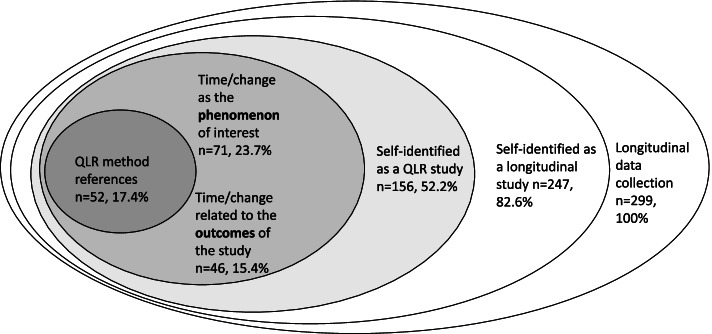
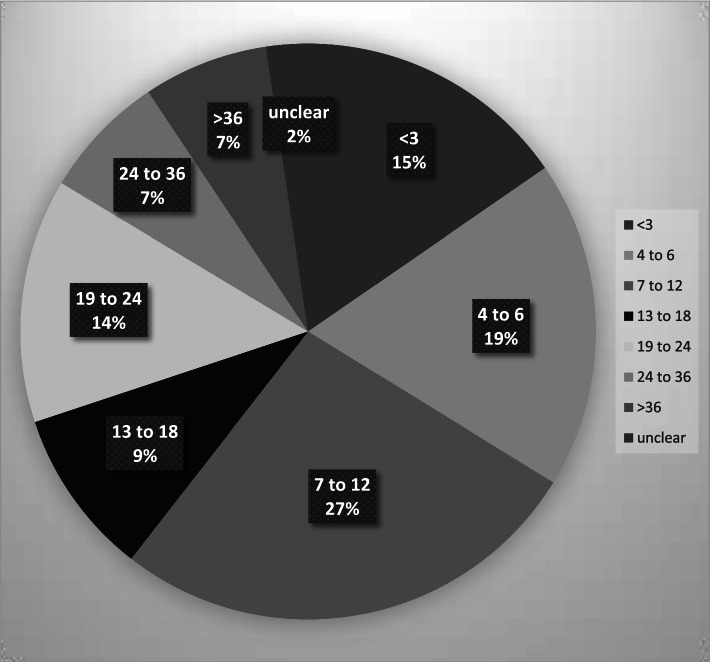
A total of 299 articles were included. There was great variation among the articles in the use of methodological traditions, type of data, length of data collection, and components of longitudinal data collection. However, the majority of articles represented large studies and were based on individual interview data. Approximately half of the articles self-identified as QLR studies or as following a QLR design, although slightly less than 20% of them included QLR method literature in their method sections.
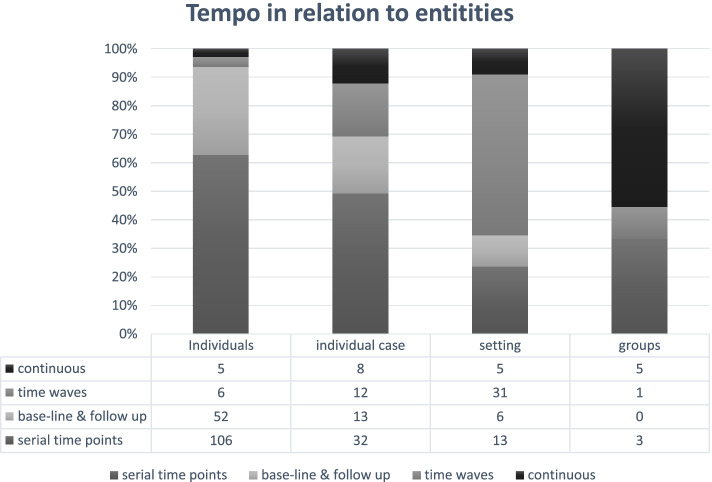
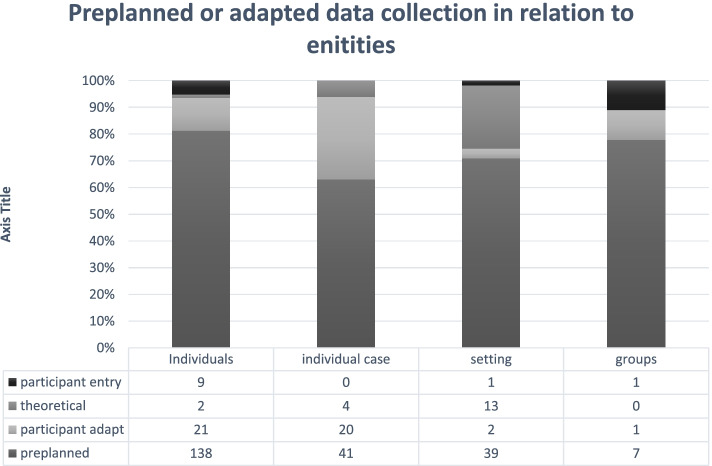
QLR is often used in large complex studies. Some articles were thoroughly designed to capture time/change throughout the methodology, aim and data collection, while other articles included few elements of QLR. Longitudinal data collection includes several components, such as what entities are followed across time, the tempo of data collection, and to what extent the data collection is preplanned or adapted across time. Therefore, there are several practices and possibilities researchers should consider before starting a QLR project.
定性纵向研究(QLR)包括重复收集数据的定性研究,重点关注现象的时间性(例如时间和变化)。由于健康研究中的许多主题都涉及变化(例如,渐进性疾病、康复),因此 QLR 在健康研究中的使用正在增加。方法研究可以深入了解该方法的使用、趋势和变化。本研究旨在绘制现有健康研究文献中 QLR 文章如何设计以捕捉时间和/或变化方面。
本方法研究采用了经过改编的范围综述设计。如果文章以英文撰写,发表于 2017 年至 2019 年之间,并且报告了使用相同样本或在相同环境中在不同时间点/时间波收集的定性数据的结果,则符合条件。文章通过 EBSCOhost 确定。两名独立审查员进行筛选、选择和图表制作。
共纳入 299 篇文章。在方法传统的使用、数据类型、数据收集长度以及纵向数据收集的组成部分方面,文章之间存在很大差异。但是,大多数文章都是大型研究,并且基于个人访谈数据。大约一半的文章自称为 QLR 研究或遵循 QLR 设计,尽管略低于 20%的文章在其方法部分包含了 QLR 方法文献。
QLR 常用于大型复杂研究。一些文章在整个方法、目标和数据收集过程中都进行了全面设计,以捕捉时间/变化,而其他文章则只包含了少量的 QLR 元素。纵向数据收集包括几个组成部分,例如在整个时间内跟踪哪些实体、数据收集的节奏以及数据收集在多大程度上是预先计划或适应时间变化的。因此,在开始 QLR 项目之前,研究人员应该考虑几种实践和可能性。