
男性身体自我意识的肠道标志物。
Gut markers of bodily self-consciousness in men.
作者信息
Monti Alessandro, Porciello Giuseppina, Panasiti Maria Serena, Aglioti Salvatore M
机构信息
Sapienza, Università di Roma and Center for Life Nano- & Neuro-Science, Fondazione Istituto Italiano di Tecnologia (IIT), 00161 Rome, Italy.
IRCCS Fondazione Santa Lucia research hospital, 00179 Rome, Italy.
出版信息
iScience. 2022 Sep 5;25(10):105061. doi: 10.1016/j.isci.2022.105061. eCollection 2022 Oct 21.
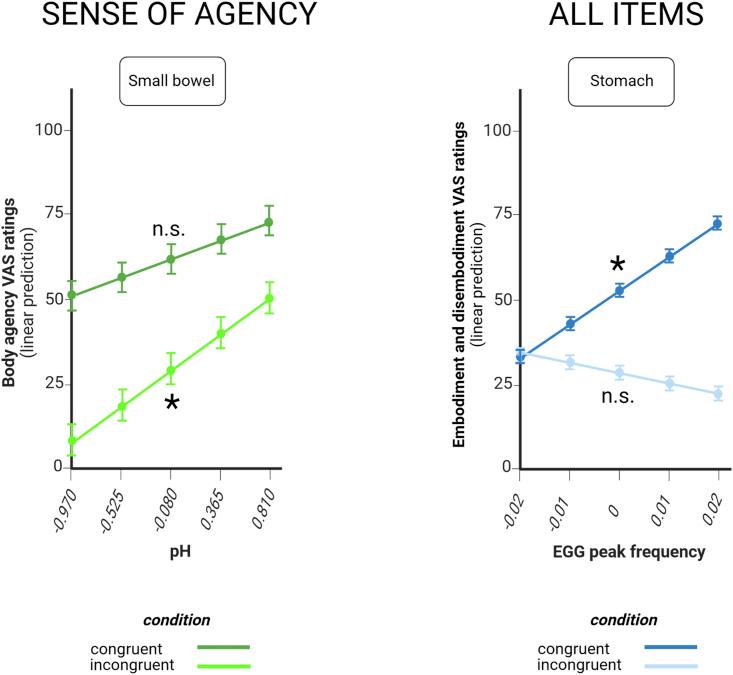
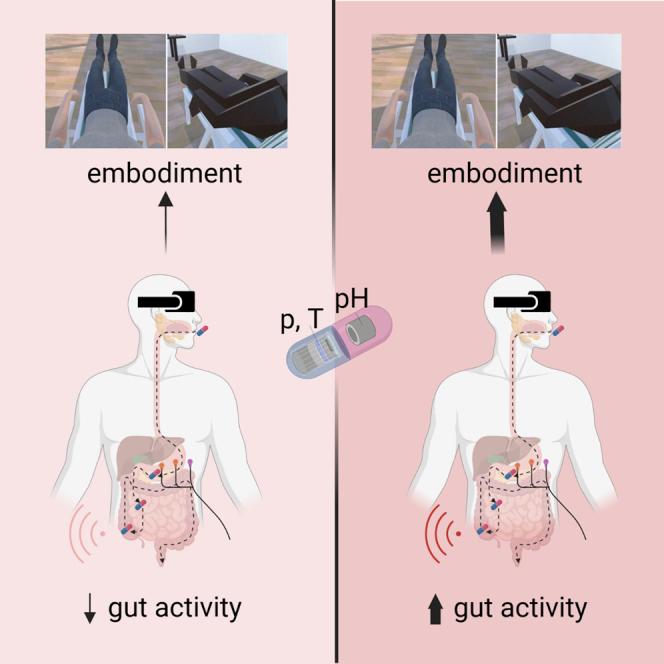
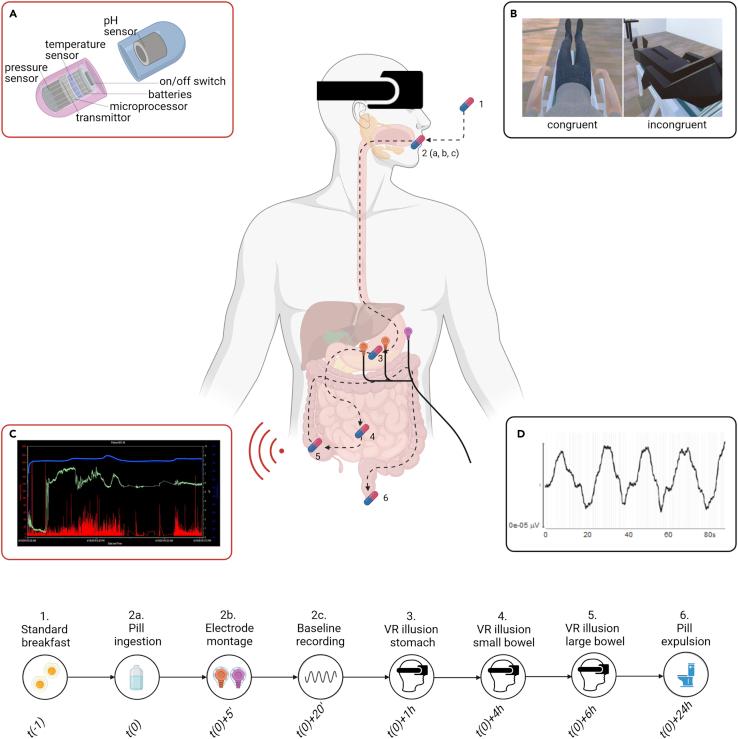
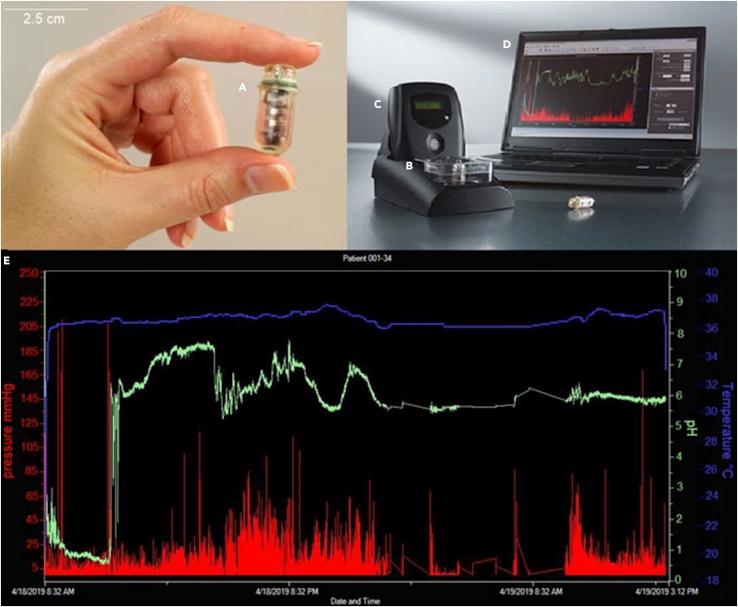
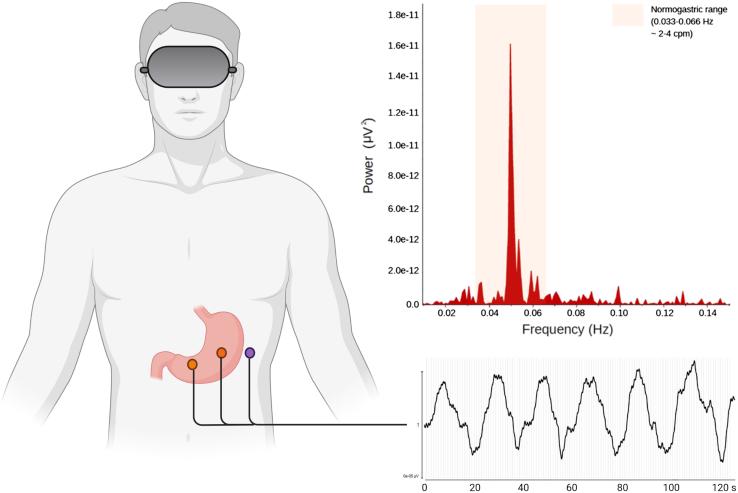
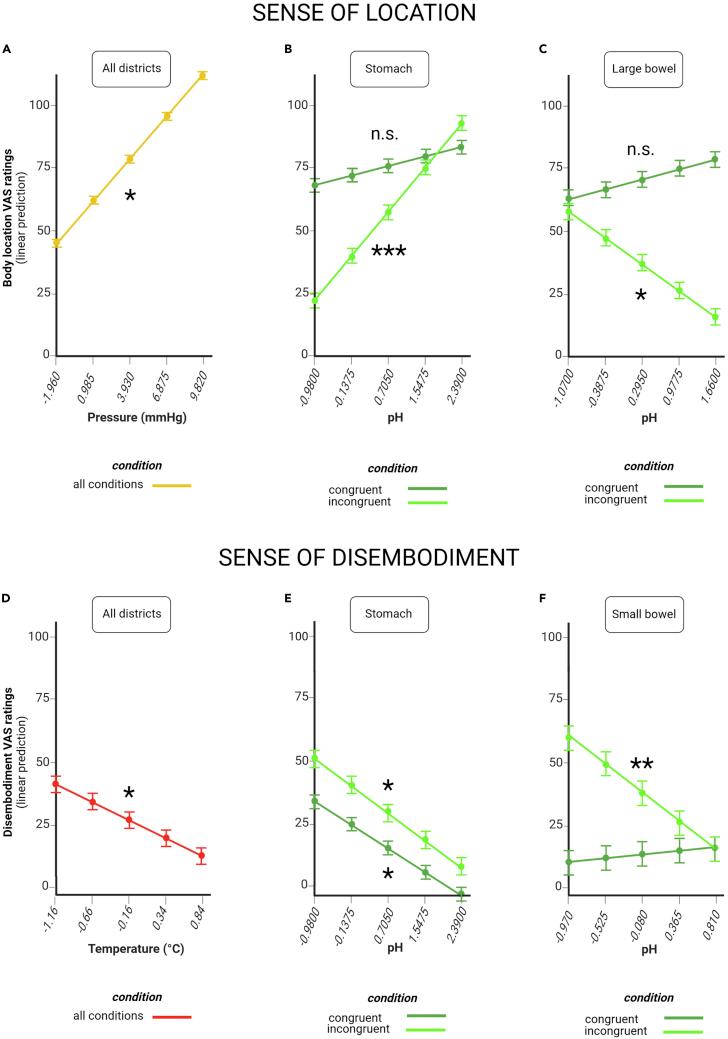
Bodily self-consciousness, the state of mind that allows humans to be aware of their own body, forms the backdrop for almost every human experience, yet its underpinnings remain elusive. Here we combine an ingestible, minimally invasive capsule with surface electrogastrography to probe if gut physiology correlates with bodily self-consciousness in a sample of healthy men during a virtual bodily illusion. We discover that specific patterns of stomach and bowel activity (temperature, pressure, and pH) covary with specific facets of bodily self-consciousness (feelings of body location, agency, and disembodiment). These results uncover the hitherto untapped potential of minimally invasive probes to study the link between mental and gut states and show the significance of deep visceral organs in the self-conscious perception of ourselves as embodied beings.
身体自我意识是一种让人类能够意识到自身身体的心理状态,它构成了几乎每一种人类体验的背景,但它的基础仍然难以捉摸。在这里,我们将一种可摄入的、微创胶囊与表面胃电图相结合,以探究在虚拟身体错觉期间,健康男性样本中肠道生理与身体自我意识是否相关。我们发现,胃和肠道活动的特定模式(温度、压力和pH值)与身体自我意识的特定方面(身体位置感、能动性和脱离身体感)共同变化。这些结果揭示了微创探针在研究心理状态与肠道状态之间联系方面迄今尚未开发的潜力,并表明深层内脏器官在我们作为有身体的存在的自我意识感知中的重要性。
 Zotero 插件