Asthma UK Centre for Applied Research, Usher Institute, University of Edinburgh, Edinburgh, UK
Medical Informatics, Usher Institute, University of Edinburgh, Edinburgh, UK.
BMJ Open. 2022 Oct 3;12(10):e064166. doi: 10.1136/bmjopen-2022-064166.
Supported self-management empowering people with asthma to detect early deterioration and take timely action reduces the risk of asthma attacks. Smartphones and smart monitoring devices coupled with machine learning could enhance self-management by predicting asthma attacks and providing tailored feedback.We aim to develop and assess the feasibility of an asthma attack predictor system based on data collected from a range of smart devices.
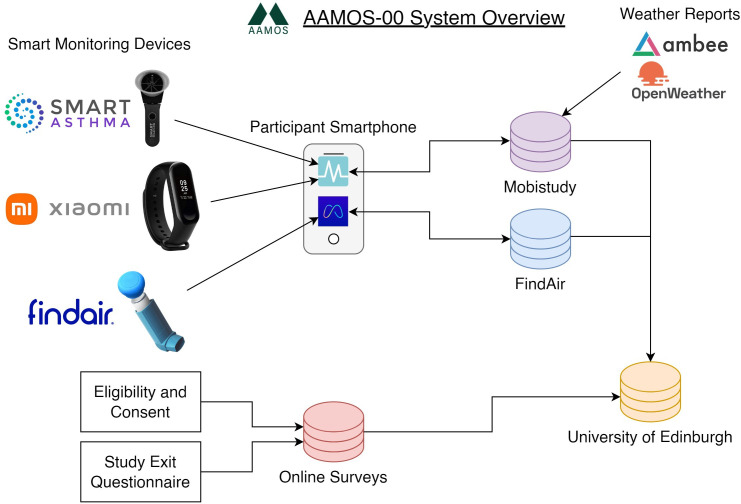
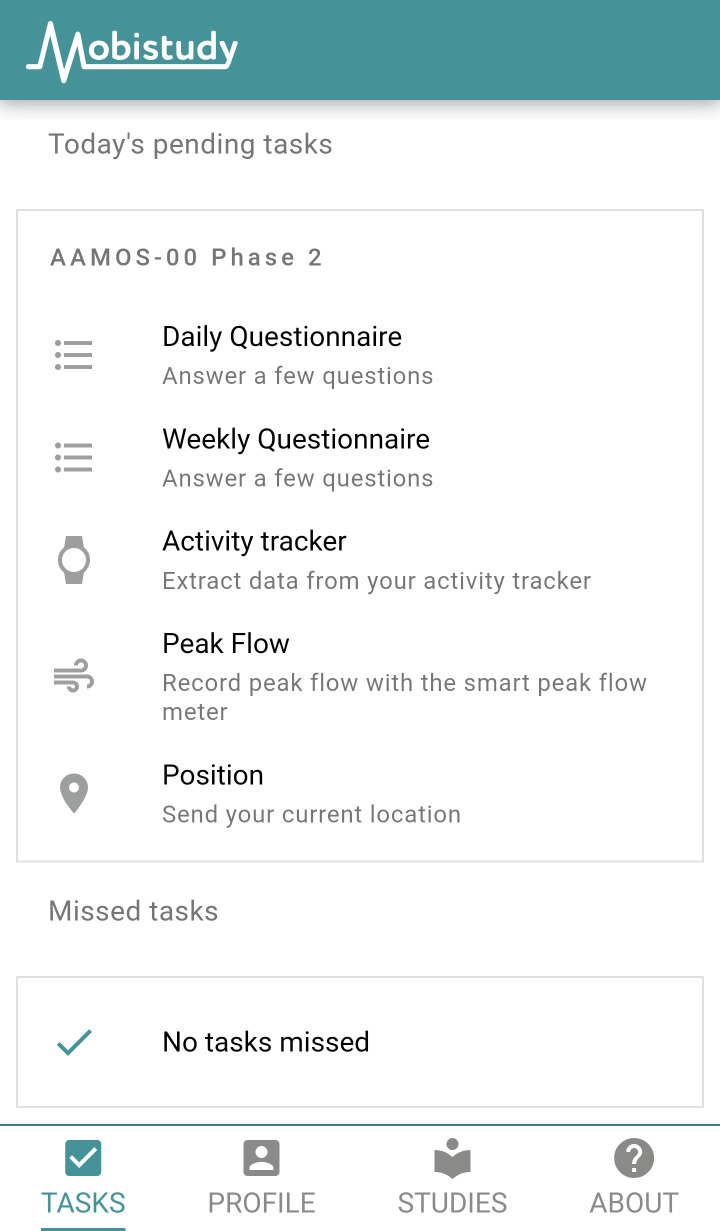
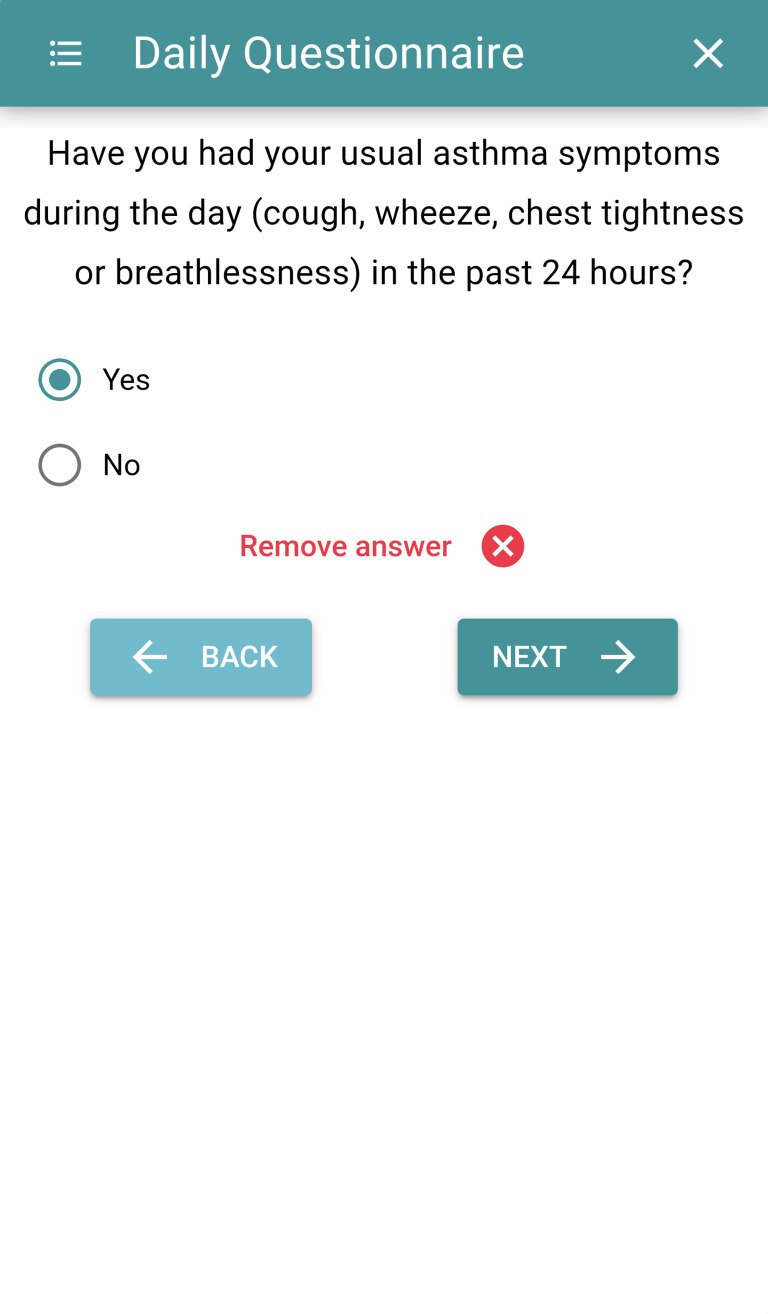
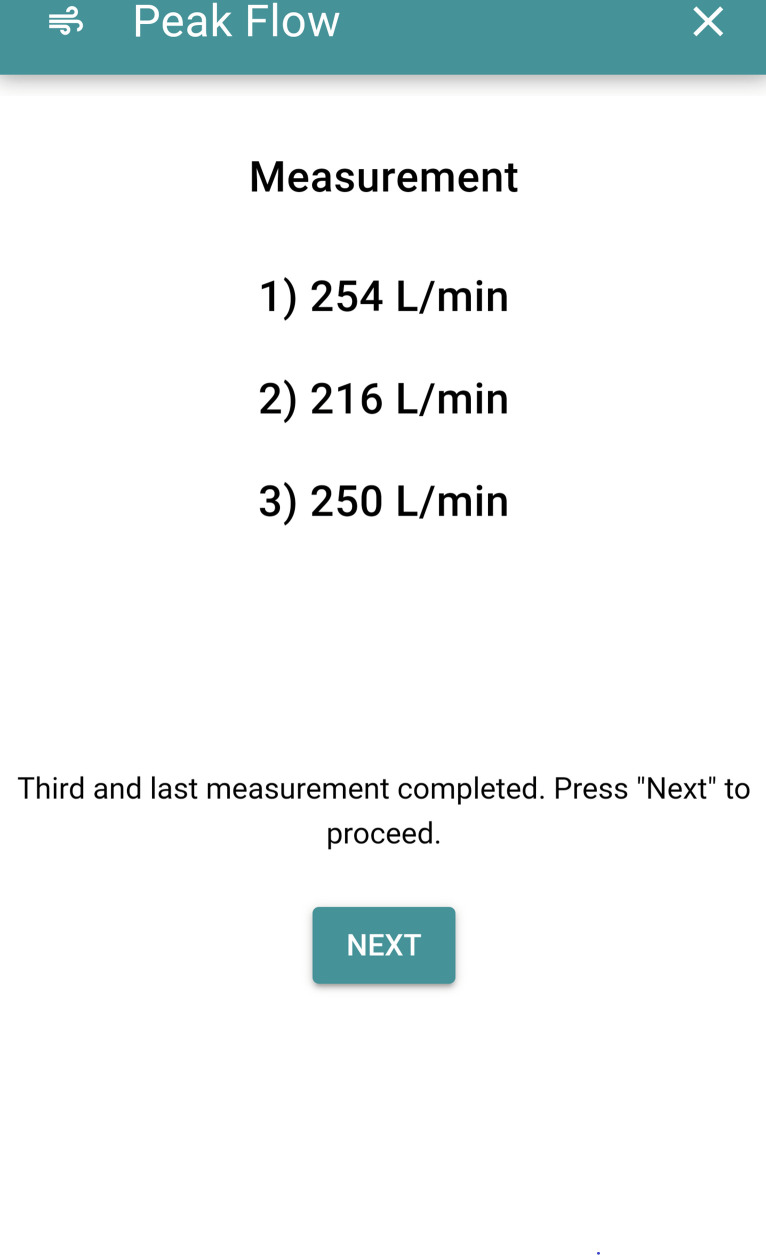
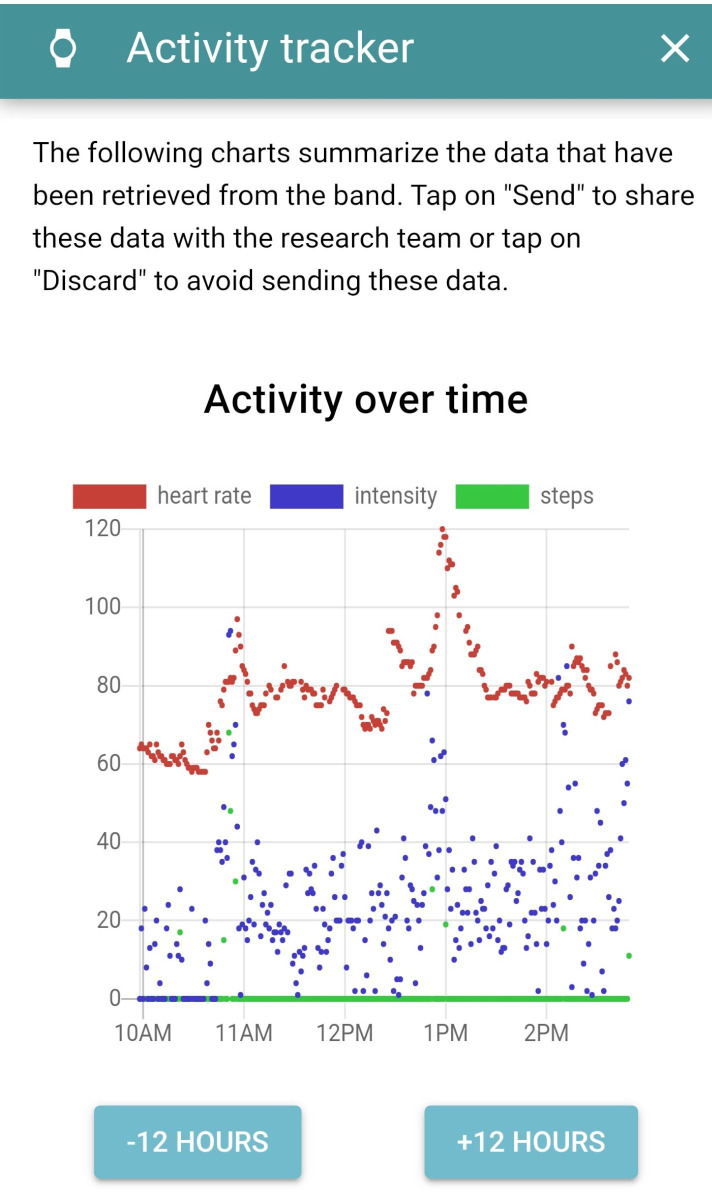
A two-phase, 7-month observational study to collect data about asthma status using three smart monitoring devices, and daily symptom questionnaires. We will recruit up to 100 people via social media and from a severe asthma clinic, who are at risk of attacks and who use a pressurised metered dose relief inhaler (that fits the smart inhaler device).Following a preliminary month of daily symptom questionnaires, 30 participants able to comply with regular monitoring will complete 6 months of using smart devices (smart peak flow meter, smart inhaler and smartwatch) and daily questionnaires to monitor asthma status. The feasibility of this monitoring will be measured by the percentage of task completion. The occurrence of asthma attacks (definition: American Thoracic Society/European Respiratory Society Task Force 2009) will be detected by self-reported use (or increased use) of oral corticosteroids. Monitoring data will be analysed to identify predictors of asthma attacks. At the end of the monitoring, we will assess users' perspectives on acceptability and utility of the system with an exit questionnaire.
Ethics approval was provided by the East of England - Cambridge Central Research Ethics Committee. IRAS project ID: 285 505 with governance approval from ACCORD (Academic and Clinical Central Office for Research and Development), project number: AC20145. The study sponsor is ACCORD, the University of Edinburgh.Results will be reported through peer-reviewed publications, abstracts and conference posters. Public dissemination will be centred around blogs and social media from the Asthma UK network and shared with study participants.
通过支持自我管理,使哮喘患者能够及早发现病情恶化并及时采取行动,从而降低哮喘发作的风险。智能手机和智能监测设备与机器学习相结合,可以通过预测哮喘发作并提供个性化反馈来增强自我管理。我们旨在开发并评估一种基于从各种智能设备收集的数据的哮喘发作预测系统,并评估其可行性。
这是一项为期 7 个月的两阶段观察性研究,旨在使用三种智能监测设备和每日症状问卷收集有关哮喘状况的数据。我们将通过社交媒体和严重哮喘诊所招募多达 100 名有发作风险且使用压力定量气雾剂缓解器(适合智能吸入器设备)的人。在初步的每日症状问卷一个月后,30 名能够遵守定期监测的参与者将完成 6 个月的智能设备(智能峰值流量计、智能吸入器和智能手表)和每日问卷监测哮喘状况。通过完成任务的百分比来衡量这种监测的可行性。哮喘发作的发生(定义:美国胸科学会/欧洲呼吸学会 2009 年工作组)将通过自我报告(或增加)使用口服皮质类固醇来检测。将分析监测数据以确定哮喘发作的预测因素。在监测结束时,我们将通过退出问卷评估用户对系统的可接受性和实用性的看法。
该研究获得了东安格利亚-剑桥中央研究伦理委员会的批准。IRAS 项目 ID:285 505,ACCORD(学术和临床中央研究与发展办公室)批准,项目编号:AC20145。该研究的赞助商是 ACCORD,爱丁堡大学。研究结果将通过同行评议的出版物、摘要和会议海报报告。公众传播将集中在英国哮喘协会的博客和社交媒体上,并与研究参与者分享。