Section of Pulmonary, Critical Care, and Sleep Medicine; Department of Internal Medicine, Yale University School of Medicine, New Haven, Connecticut, USA 06510.
Division of Pulmonary and Critical Care; Department of Internal Medicine, UT Southwestern Medical Center, Dallas, Texas, USA 75390.
Oxid Med Cell Longev. 2022 Sep 20;2022:9518592. doi: 10.1155/2022/9518592. eCollection 2022.
Studies have linked severe hyperoxia, or prolonged exposure to very high oxygen levels, with worse clinical outcomes. This study investigated the role of epidermal growth factor receptor (EGFR) in hyperoxia-induced lung injury at very high oxygen levels (>95%).
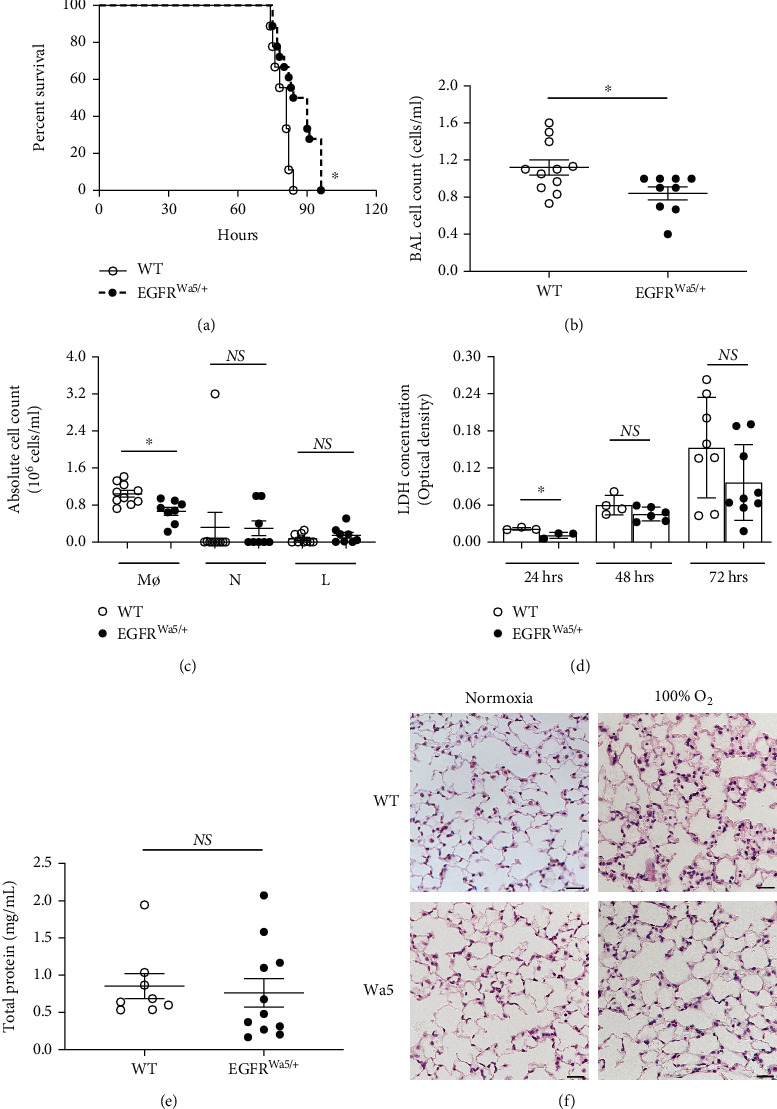
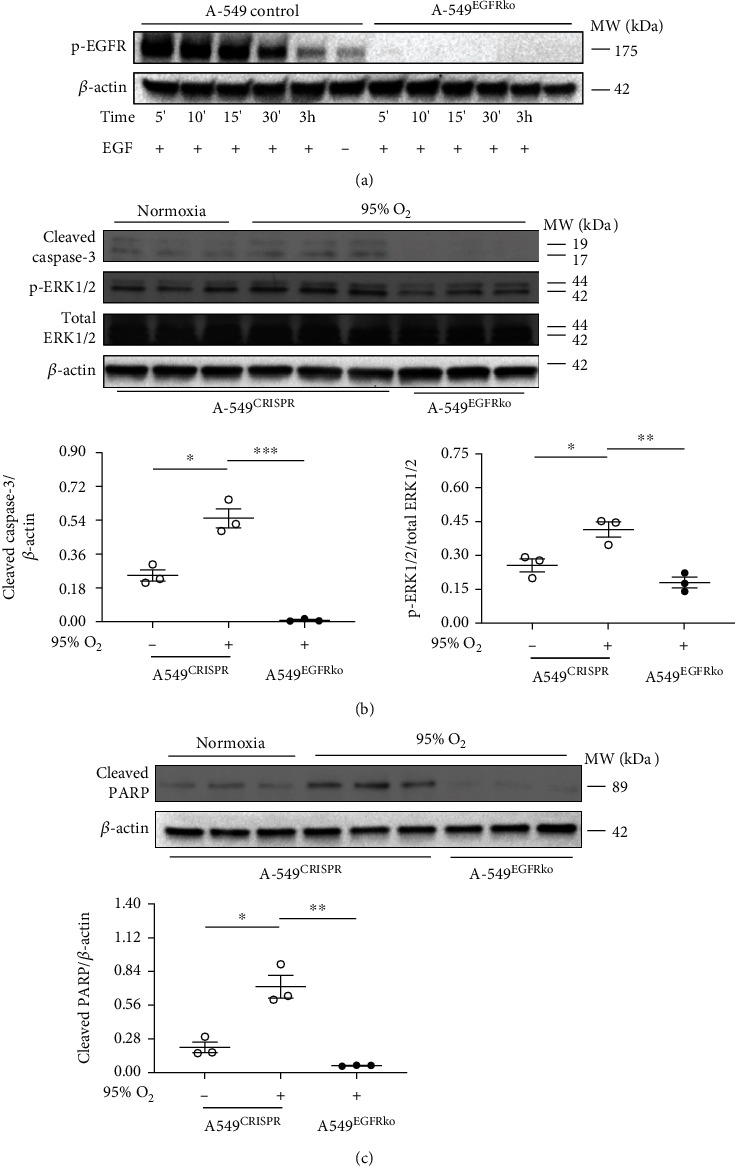
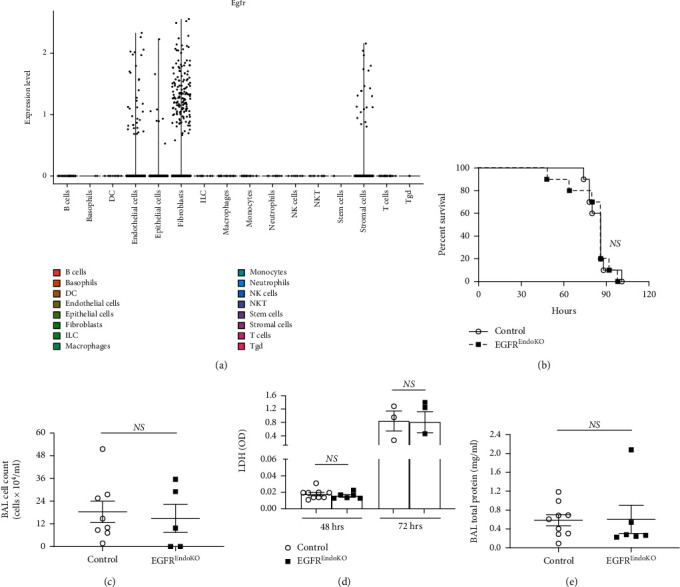
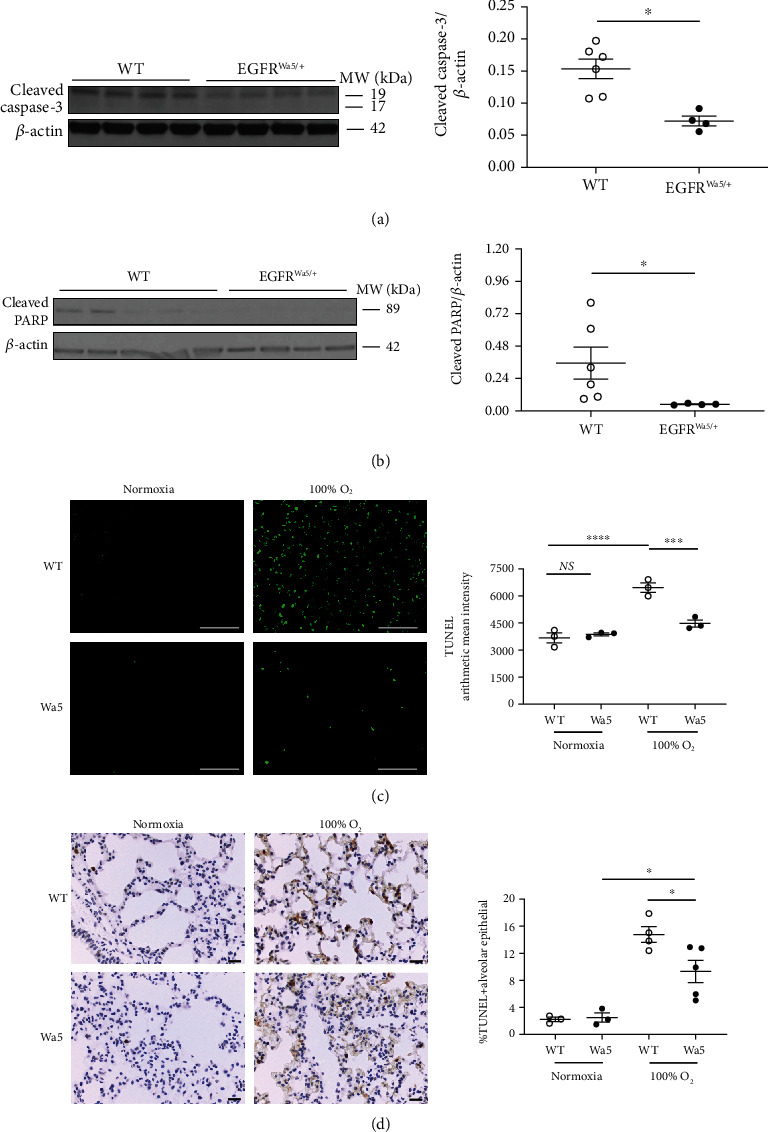
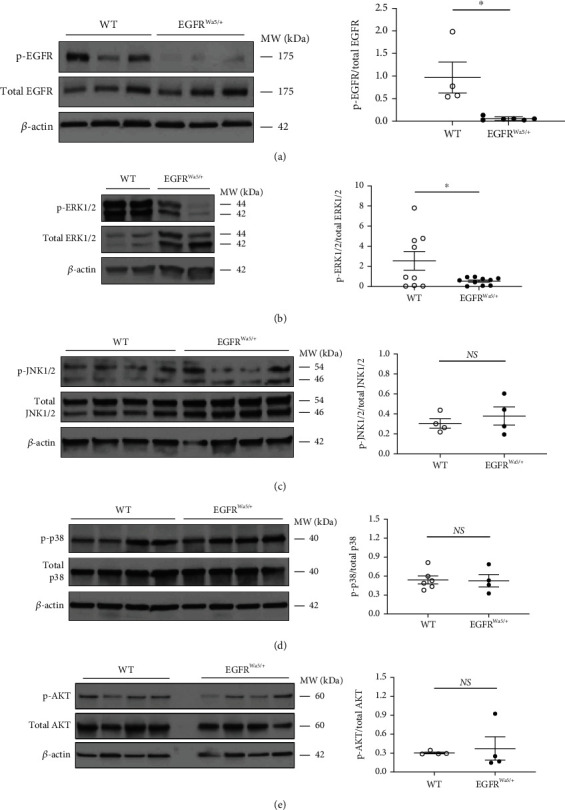
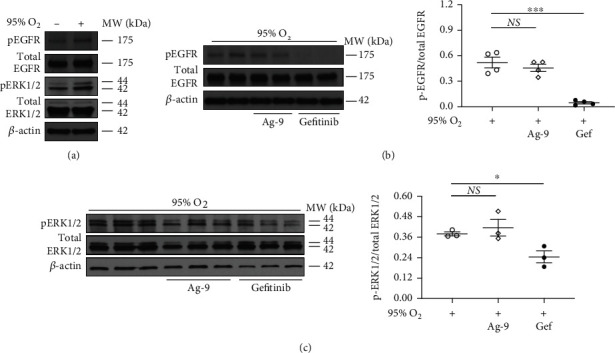
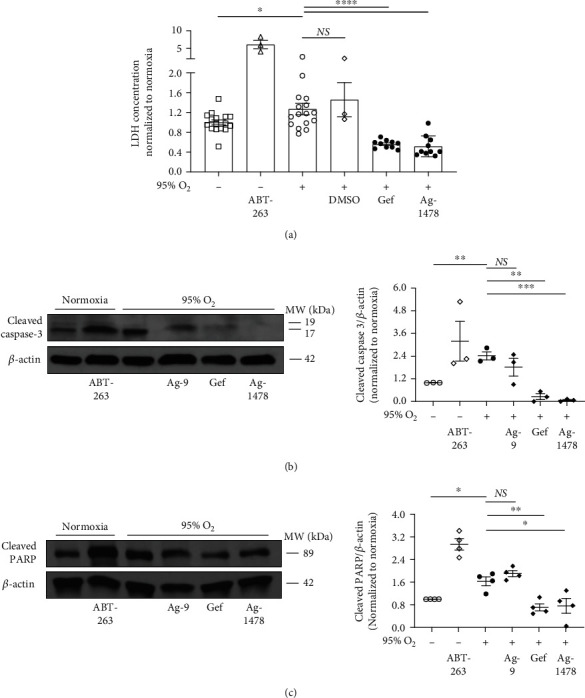
Effects of severe hyperoxia (100% oxygen) were studied in mice with genetically inhibited EGFR and wild-type littermates. Despite the established role of EGFR in lung repair, EGFR inhibition led to improved survival and reduced acute lung injury, which prompted an investigation into this protective mechanism. Endothelial EGFR genetic knockout did not confer protection. EGFR inhibition led to decreased levels of cleaved caspase-3 and poly (ADP-ribosyl) polymerase (PARP) and decreased terminal dUTP nick end labeling- (TUNEL-) positive staining in alveolar epithelial cells and reduced ERK activation, which suggested reduced apoptosis . EGFR inhibition decreased hyperoxia (95%)-induced apoptosis and ERK in murine alveolar epithelial cells , and CRISPR-mediated EGFR deletion reduced hyperoxia-induced apoptosis and ERK in human alveolar epithelial cells . . This work defines a protective role of EGFR inhibition to decrease apoptosis in lung injury induced by 100% oxygen. This further characterizes the complex role of EGFR in acute lung injury and outlines a novel hyperoxia-induced cell death pathway that warrants further study.
In conditions of severe hyperoxia (>95% for >24 h), EGFR inhibition led to improved survival, decreased lung injury, and reduced cell death. These findings further elucidate the complex role of EGFR in acute lung injury.
研究表明,严重高氧血症(或长时间暴露于极高氧水平)与更差的临床结果相关。本研究探讨了表皮生长因子受体(EGFR)在极高氧水平(>95%)下诱导的肺损伤中的作用。
在基因抑制 EGFR 的小鼠和野生型同窝仔鼠中研究了严重高氧(100%氧气)的作用。尽管 EGFR 在肺修复中起作用,但 EGFR 抑制导致存活率提高和急性肺损伤减少,这促使我们研究这种保护机制。内皮 EGFR 基因敲除不能提供保护。EGFR 抑制导致裂解的半胱氨酸天冬氨酸蛋白酶-3 和多聚(ADP-核糖)聚合酶(PARP)水平降低,肺泡上皮细胞中的末端 dUTP 缺口末端标记(TUNEL)阳性染色减少,ERK 激活减少,这表明细胞凋亡减少。EGFR 抑制减少了高氧(95%)诱导的肺泡上皮细胞中的细胞凋亡和 ERK,CRISPR 介导的 EGFR 缺失减少了高氧诱导的人肺泡上皮细胞中的细胞凋亡和 ERK。这项工作定义了 EGFR 抑制通过减少 100%氧气诱导的肺损伤中的细胞凋亡来发挥保护作用。这进一步描述了 EGFR 在急性肺损伤中的复杂作用,并概述了一种新的高氧诱导的细胞死亡途径,值得进一步研究。
在严重高氧(>95%超过 24 小时)的情况下,EGFR 抑制导致存活率提高、肺损伤减少和细胞死亡减少。这些发现进一步阐明了 EGFR 在急性肺损伤中的复杂作用。