Departamento de Citricultura y Producción Vegetal, Instituto Valenciano de Investigaciones Agrarias (IVIA), Carretera CV-315, Km 10.7, 46113, Moncada, Valencia, Spain.
Department of Biology and Geology, University of Almería, Ctra. Sacramento s/n, 04120, Almería, Spain.
BMC Plant Biol. 2022 Oct 5;22(1):473. doi: 10.1186/s12870-022-03856-7.
Bud dormancy is a phenological adaptation of temperate perennials that ensures survival under winter temperature conditions by ceasing growth and increasing cold hardiness. SHORT VEGETATIVE PHASE (SVP)-like factors, and particularly a subset of them named DORMANCY-ASSOCIATED MADS-BOX (DAM), are master regulators of bud dormancy in perennials, prominently Rosaceae crops widely adapted to varying environmental conditions.
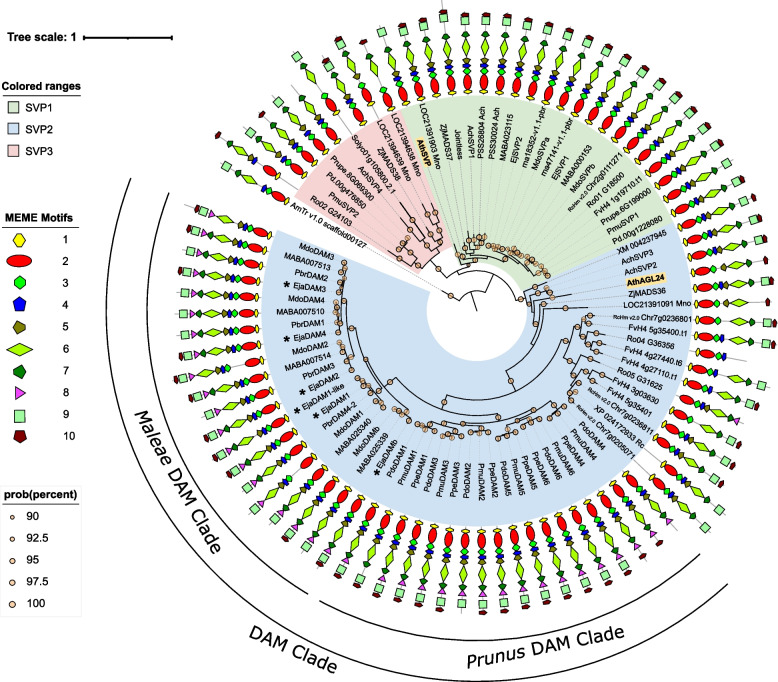
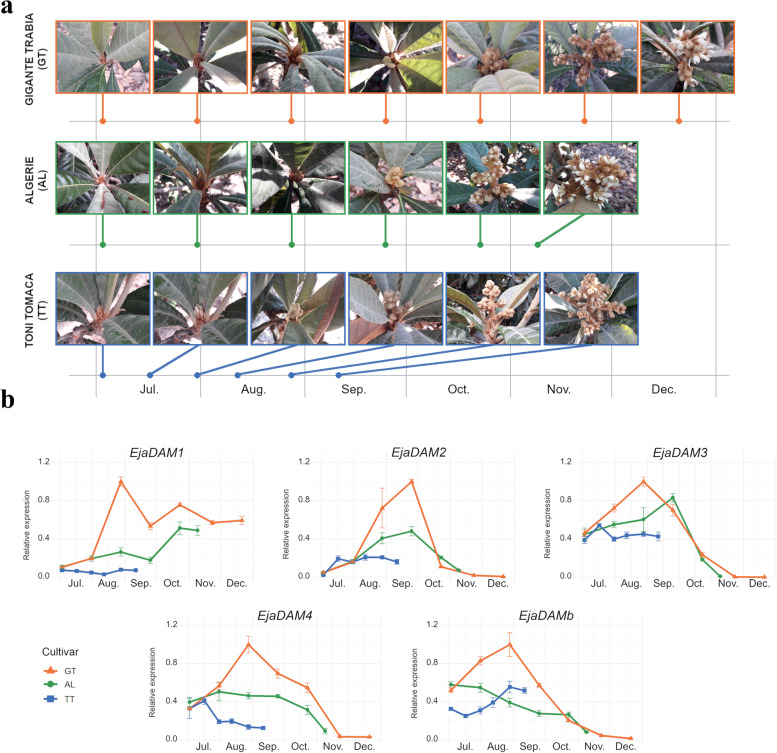
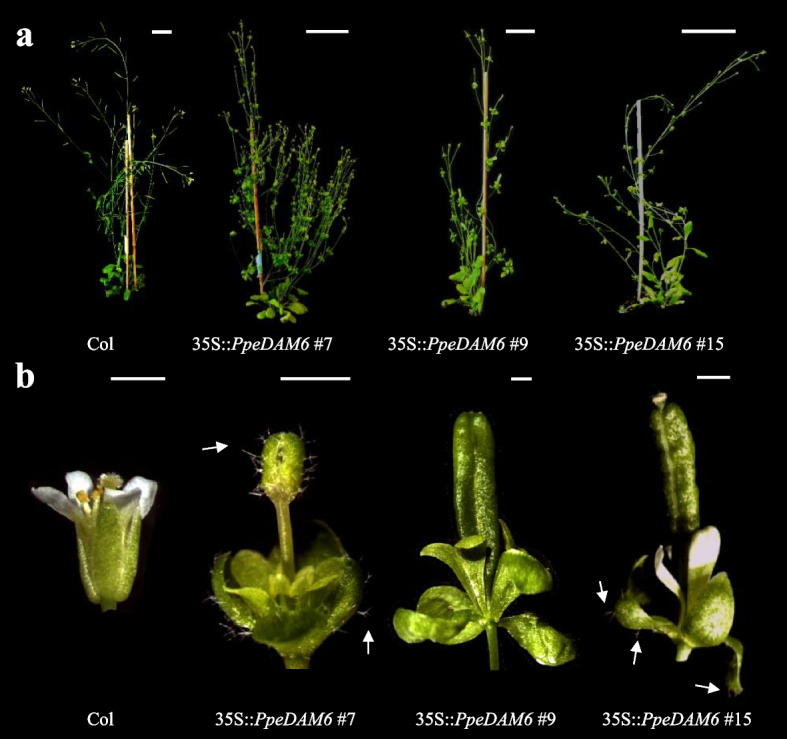
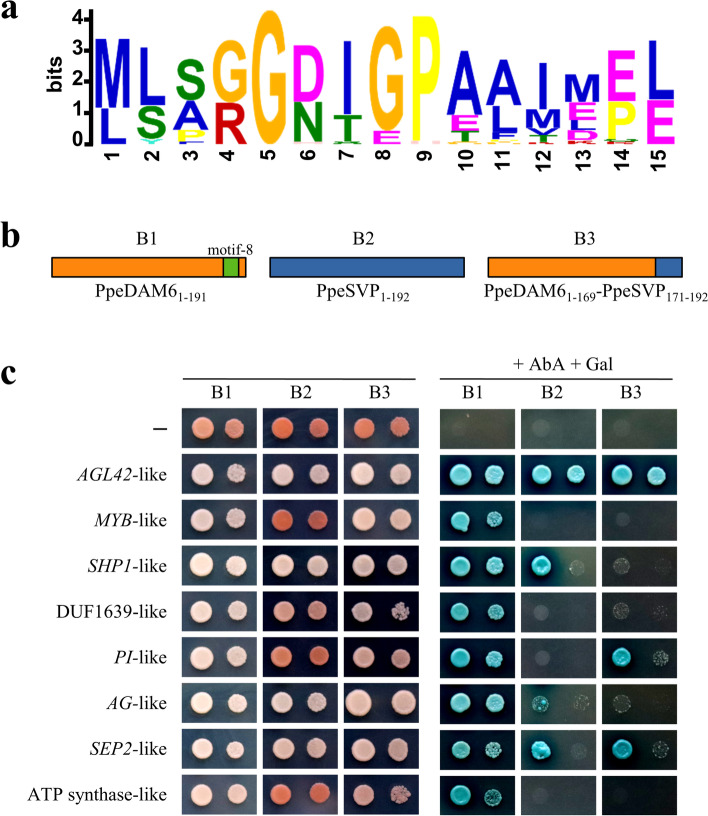
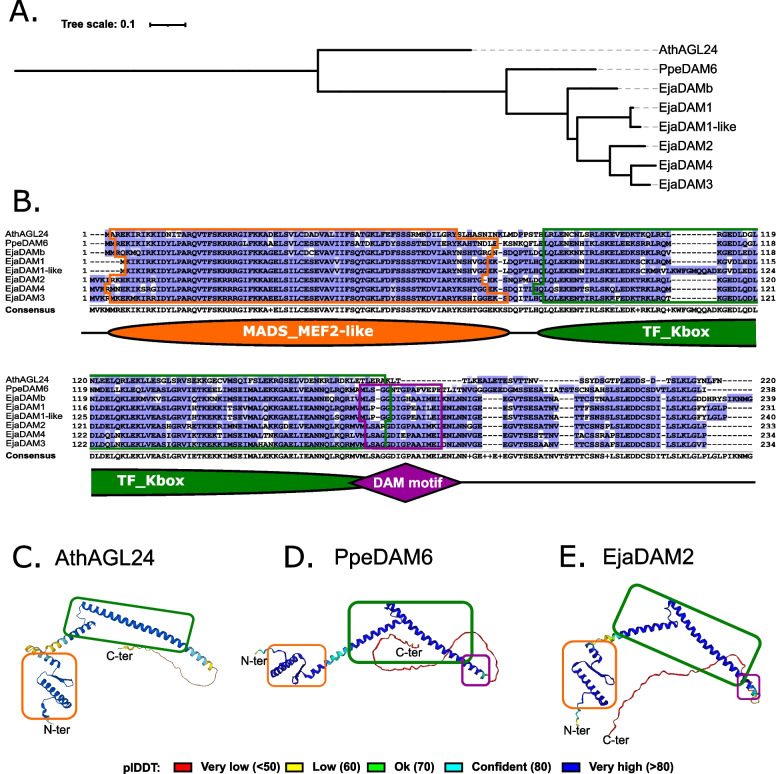
SVP-like proteins from recently sequenced Rosaceae genomes were identified and characterized using sequence, phylogenetic and synteny analysis tools. SVP-like proteins clustered in three clades (SVP1-3), with known DAM proteins located within SVP2 clade, which also included Arabidopsis AGAMOUS-LIKE 24 (AthAGL24). A more detailed study on these protein sequences led to the identification of a 15-amino acid long motif specific to DAM proteins, which affected protein heteromerization properties by yeast two-hybrid system in peach PpeDAM6, and the unexpected finding of predicted DAM-like genes in loquat, an evergreen species lacking winter dormancy. DAM gene expression in loquat trees was studied by quantitative PCR, associating with inflorescence development and growth in varieties with contrasting flowering behaviour.
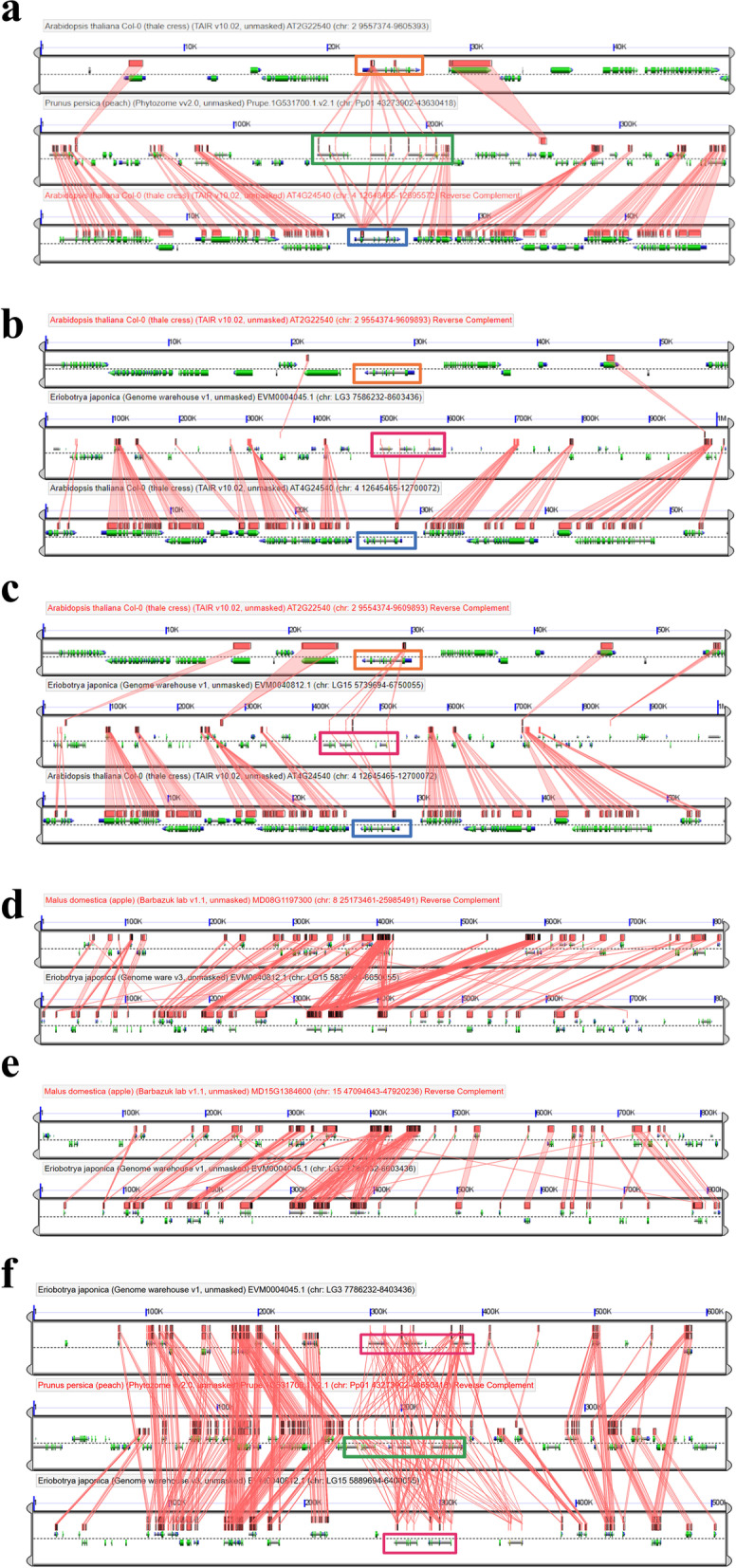
Phylogenetic, synteny analyses and heterologous overexpression in the model plant Arabidopsis thaliana supported three major conclusions: 1) DAM proteins might have emerged from the SVP2 clade in the Amygdaloideae subfamily of Rosaceae; 2) a short DAM-specific motif affects protein heteromerization, with a likely effect on DAM transcriptional targets and other functional features, providing a sequence signature for the DAM group of dormancy factors; 3) in agreement with other recent studies, DAM associates with inflorescence development and growth, independently of the dormancy habit.
芽休眠是温带多年生植物的一种物候适应,通过停止生长和增加抗寒性来确保在冬季温度条件下的生存。短营养期(SVP)样因子,特别是其中一组名为休眠相关 MADS 盒(DAM)的因子,是多年生植物芽休眠的主要调控因子,在广泛适应不同环境条件的蔷薇科作物中尤为明显。
使用序列、系统发育和同线性分析工具,从最近测序的蔷薇科基因组中鉴定和描述了 SVP 样蛋白。SVP 样蛋白聚类为三个分支(SVP1-3),已知的 DAM 蛋白位于 SVP2 分支内,该分支还包括拟南芥 AGAMOUS-LIKE 24(AthAGL24)。对这些蛋白质序列的更详细研究导致鉴定出一个 15 个氨基酸长的特定于 DAM 蛋白的基序,该基序通过酵母双杂交系统影响桃 PpeDAM6 中蛋白质异源二聚体的性质,并在常绿物种枇杷中发现了预测的 DAM 样基因,枇杷缺乏冬季休眠。通过定量 PCR 研究了 DAM 基因在枇杷树上的表达,与不同开花行为品种的花序发育和生长相关。
系统发育、同线性分析和模式植物拟南芥中的异源过表达支持三个主要结论:1)DAM 蛋白可能源自蔷薇科桃金娘亚科的 SVP2 分支;2)一个短的 DAM 特异性基序影响蛋白质异源二聚体,可能对 DAM 转录靶标和其他功能特征产生影响,为 DAM 组休眠因子提供了一个序列特征;3)与其他最近的研究一致,DAM 与花序发育和生长有关,与休眠习惯无关。