Fall Dylan A, Lee Andrew G, Bershad Eric M, Kramer Larry A, Mader Thomas H, Clark Jonathan B, Hirzallah Mohammad I
Baylor College of Medicine and The Center for Space Medicine, Houston, TX, USA.
Department of Ophthalmology, Blanton Eye Institute, Houston Methodist Hospital, Houston, TX, USA.
NPJ Microgravity. 2022 Oct 6;8(1):42. doi: 10.1038/s41526-022-00228-1.
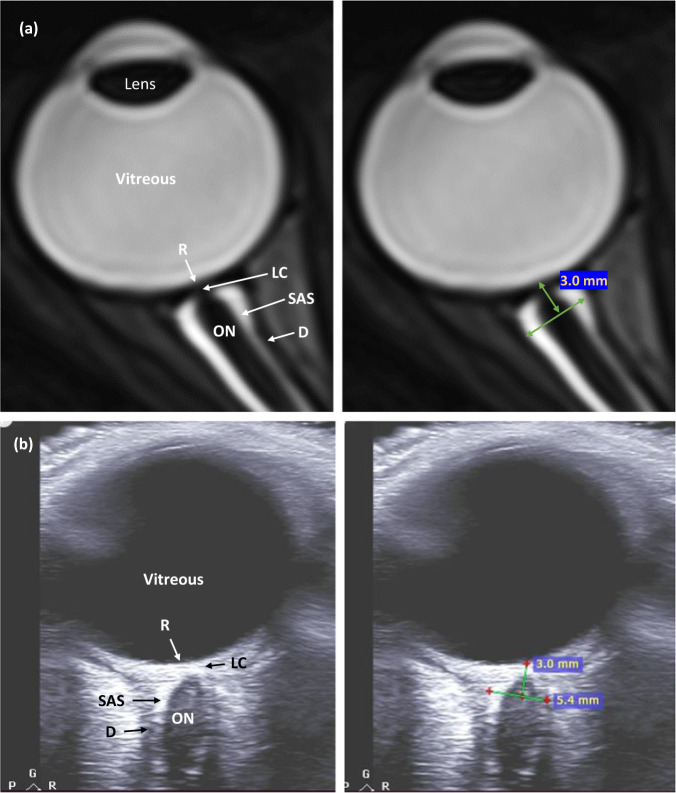
Neuro-ocular changes during long-duration space flight are known as spaceflight-associated neuro-ocular syndrome (SANS). The ability to detect, monitor, and prevent SANS is a priority of current space medicine research efforts. Optic nerve sheath diameter (ONSD) measurement has been used both terrestrially and in microgravity as a proxy for measurements of elevated intracranial pressure. ONSD shows promise as a potential method of identifying and quantitating neuro-ocular changes during space flight. This review examines 13 studies measuring ONSD and its relationship to microgravity exposure or ground-based analogs, including head-down tilt, dry immersion, or animal models. The goal of this correspondence is to describe heterogeneity in the use of ONSD in the current SANS literature and make recommendations to reduce heterogeneity in future studies through standardization of imaging modalities, measurement techniques, and other aspects of study design.
长期太空飞行期间的神经眼部变化被称为航天相关神经眼部综合征(SANS)。检测、监测和预防SANS的能力是当前太空医学研究工作的重点。视神经鞘直径(ONSD)测量在地面和微重力环境中都已被用作颅内压升高测量的替代指标。ONSD有望成为识别和量化太空飞行期间神经眼部变化的一种潜在方法。本综述考察了13项测量ONSD及其与微重力暴露或地面模拟(包括头低位倾斜、干浸或动物模型)关系的研究。本信函的目的是描述当前SANS文献中ONSD使用的异质性,并通过成像方式、测量技术和研究设计的其他方面的标准化,为未来研究减少异质性提出建议。