Lee Nicholas, Canagasingham Ashan, Bajaj Mohit, Shanmugasundaram Ramesh, Hutton Anthony, Bucci Joseph, Graham Peter, Thompson James, Ni Jie
St George and Sutherland Clinical Campuses, School of Clinical Medicine, Faculty of Medicine & Health, UNSW Sydney, Kensington, NSW, Australia.
Department of Urology, St George Hospital, Kogarah, NSW, Australia.
Front Oncol. 2022 Sep 20;12:1019391. doi: 10.3389/fonc.2022.1019391. eCollection 2022.
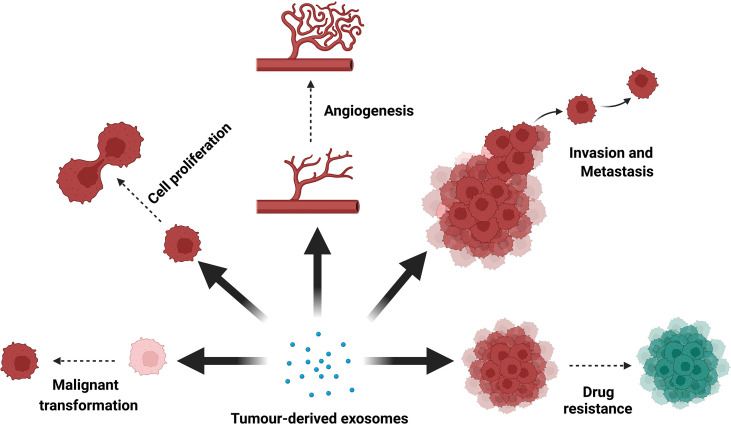
Bladder cancer is one of the top ten most common cancers and top ten causes of cancer death globally. 5-year survival rates have decreased in Australia from 66% to 55% in the past three decades. The current gold standard for diagnosis is cystoscopy. However, cystoscopies are an invasive and health-resource intensive procedure which has sub-optimal sensitivity for flat lesions such as CIS (carcinoma in situ) and low specificity for differentiating inflammation from cancer - hence requiring biopsies under anesthesia. Frequent and life-long surveillance cystoscopy is required for most patients since there are high rates of progression and local recurrence in high-risk non-muscle invasive cancer (NMIBC) as well as poor outcomes associated with delayed detection of muscle-invasive bladder cancer (MIBC). There is an unmet need for a non-invasive test to provide better discrimination and risk-stratification of bladder cancer which could aid clinicians by improving patient selection for cystoscopy; enhanced risk stratification methods may guide the frequency of surveillance cystoscopies and inform treatment choices. Exosomes, which are nano-sized extracellular vesicles containing genetic material and proteins, have been shown to have functional roles in the development and progression of bladder cancer. Exosomes have also been demonstrated to be a robust source of potential biomarkers for bladder cancer diagnosis and prognosis and may also have roles as therapeutic agents. In this review, we summarize the latest evidence of biological roles of exosomes in bladder cancer and highlight their clinical significance in bladder cancer diagnosis, surveillance and treatment.
膀胱癌是全球十大最常见癌症之一,也是十大癌症死亡原因之一。在过去三十年中,澳大利亚的膀胱癌5年生存率从66%降至55%。目前诊断的金标准是膀胱镜检查。然而,膀胱镜检查是一种侵入性且耗费医疗资源的操作,对于扁平病变如原位癌(CIS)的敏感性欠佳,区分炎症与癌症的特异性也较低,因此需要在麻醉下进行活检。由于高危非肌层浸润性膀胱癌(NMIBC)的进展和局部复发率高,以及肌层浸润性膀胱癌(MIBC)延迟检测相关的不良后果,大多数患者需要频繁且终身进行监测性膀胱镜检查。目前迫切需要一种非侵入性检测方法,以更好地区分膀胱癌并进行风险分层,这有助于临床医生优化膀胱镜检查的患者选择;增强的风险分层方法可能会指导监测性膀胱镜检查的频率并为治疗选择提供依据。外泌体是一种含有遗传物质和蛋白质的纳米级细胞外囊泡,已被证明在膀胱癌的发生和发展中发挥作用。外泌体也已被证明是膀胱癌诊断和预后潜在生物标志物的丰富来源,并且可能还具有治疗作用。在本综述中,我们总结了外泌体在膀胱癌中生物学作用的最新证据,并强调了它们在膀胱癌诊断、监测和治疗中的临床意义。