College of Chemistry and Chemical Engineering, Central South University, Changsha, 410083, China.
College of Chemistry and Chemical Engineering, Central South University, Changsha, 410083, China.
Chemosphere. 2022 Dec;309(Pt 1):136748. doi: 10.1016/j.chemosphere.2022.136748. Epub 2022 Oct 6.
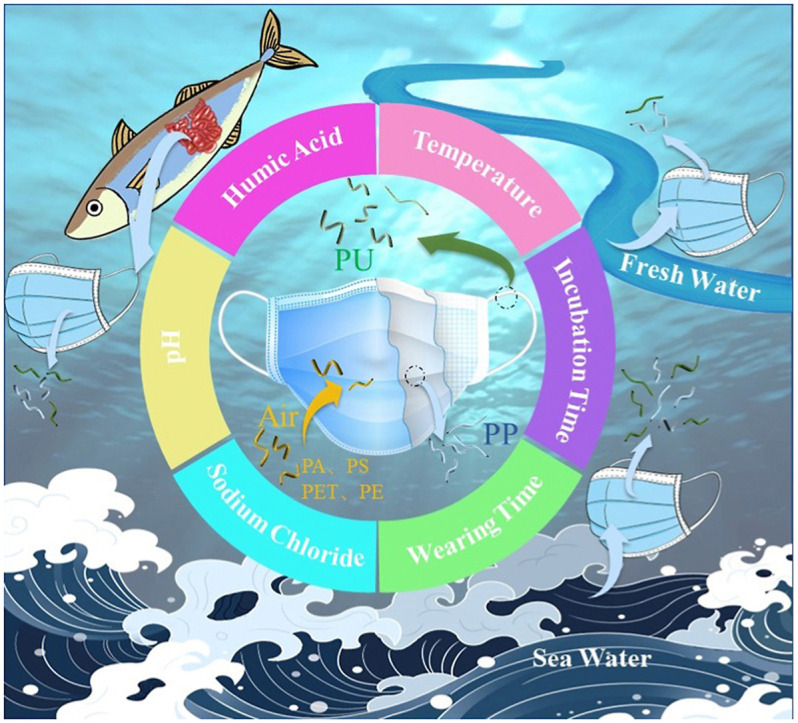
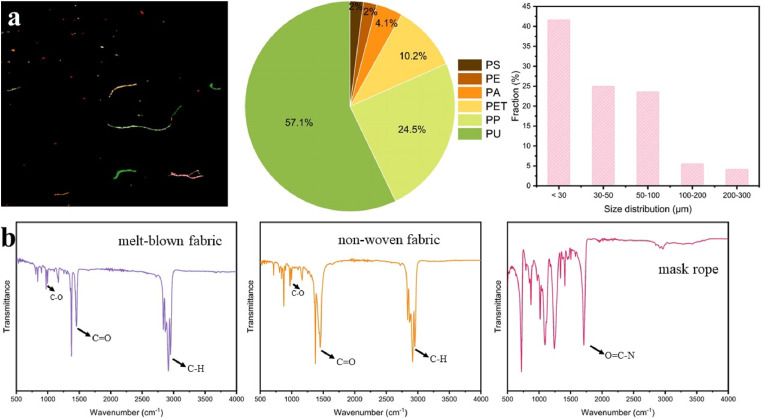
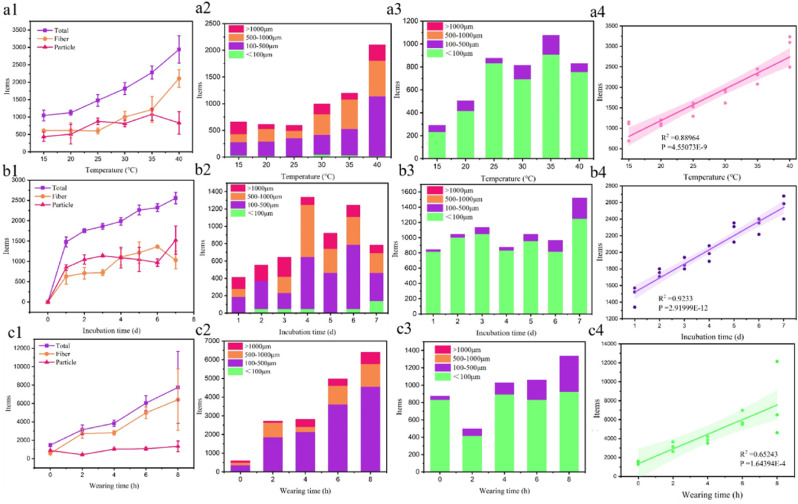
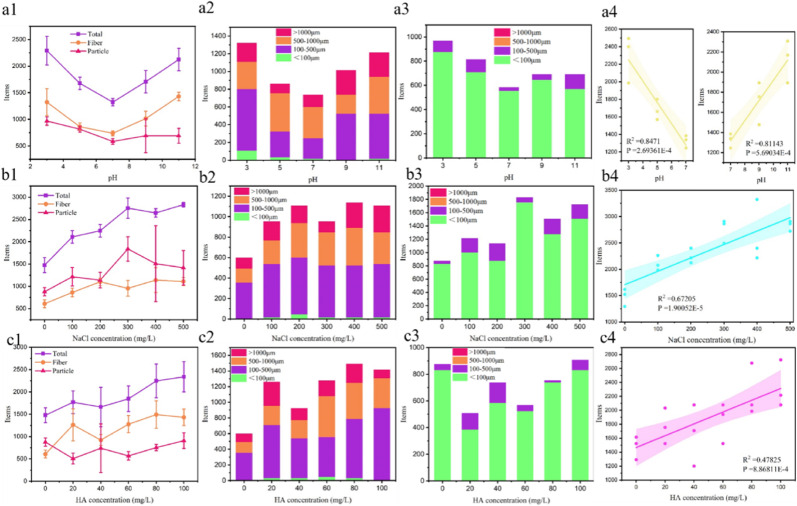
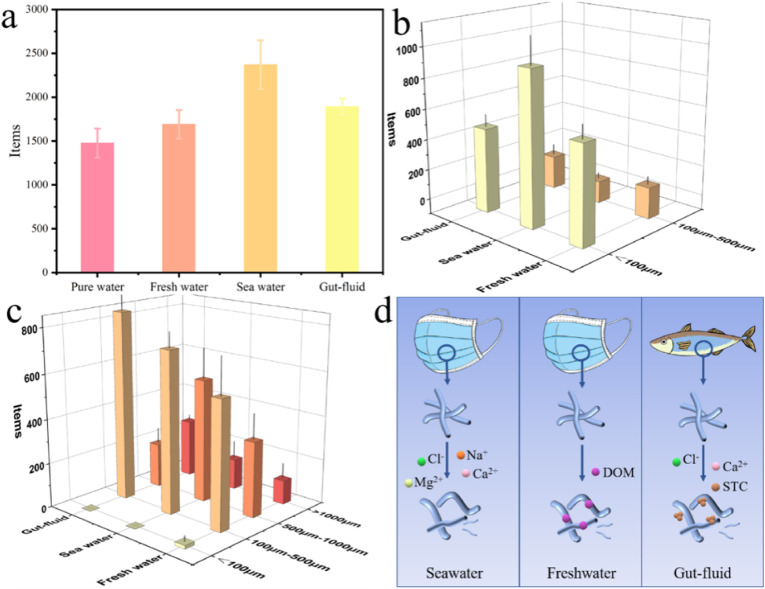
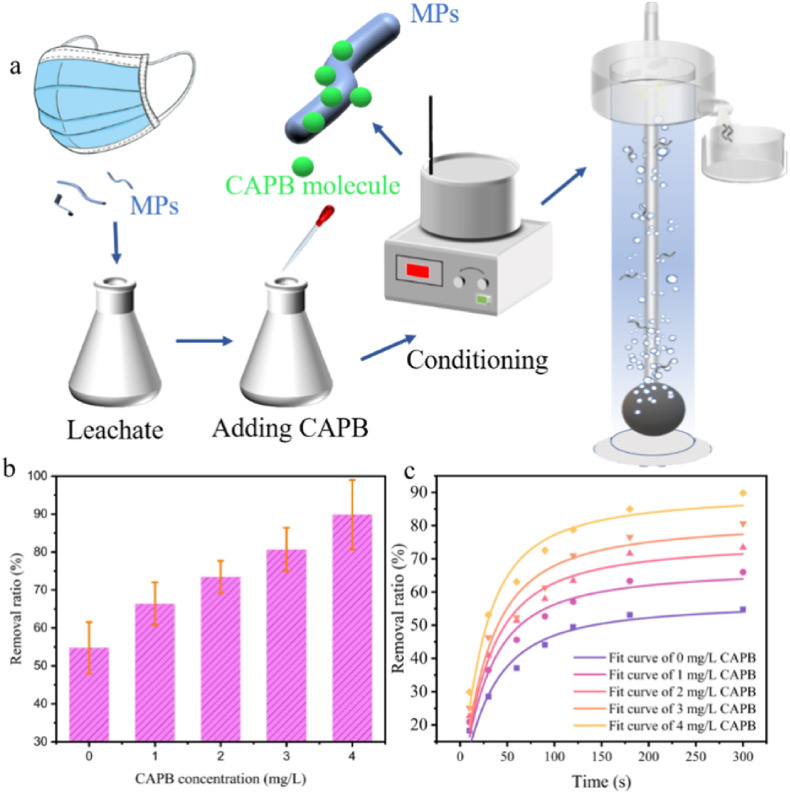
The fight against the COVID-19 epidemic significantly raises the global demand for personal protective equipment, especially disposable face masks (DFMs). The discarded DFMs may become a potential source of microplastics (MPs), which has attracted much attention. In this work, we identified the detailed source of MPs released from DFMs with laser direct infrared spectroscopy. Polypropylene (PP) and polyurethane (PU) accounted for 24.5% and 57.1% of released MPs, respectively. The melt-blown fabric was a dominant MPs source, however, previous studies underestimated the contribution of mask rope. The captured polyethylene terephthalate (PET), polyamide (PA), polyethylene (PE), and polystyrene (PS) in airborne only shared 18.4% of released MPs. To deepen the understanding of MPs release from medical mask into the aquatic environment, we investigated the effects of environmental factors on MPs release. Based on regression analysis, the effects of temperature, incubation time, and wearing time significantly affect the release of MPs. Besides, acidity, alkalinity, sodium chloride, and humic acid also contributed to the MPs release through corroding, swelling, or repulsion of fibers. Based on the exposure of medical mask to simulated environments, the number of released MPs followed the order: seawater > simulated gut-fluid > freshwater > pure water. Considering the risk of MPs released from DFMs to the environment, we innovatively established a novel flotation removal system combined with cocoamidopropyl betaine, achieving 86% removal efficiency of MPs in water. This work shed the light on the MPs release from DFMs and proposed a removal strategy for the control of MPs pollution.
抗击 COVID-19 疫情大幅提高了全球对个人防护装备的需求,尤其是一次性口罩(DFM)。废弃的 DFM 可能成为微塑料(MPs)的潜在来源,这引起了广泛关注。在这项工作中,我们使用激光直接红外光谱法确定了从 DFM 释放的 MPs 的详细来源。聚丙烯(PP)和聚氨酯(PU)分别占释放的 MPs 的 24.5%和 57.1%。熔喷布是 MPs 的主要来源,但之前的研究低估了口罩绳的贡献。空气中捕获的聚对苯二甲酸乙二醇酯(PET)、聚酰胺(PA)、聚乙烯(PE)和聚苯乙烯(PS)仅占释放的 MPs 的 18.4%。为了更深入地了解医用口罩中 MPs 向水环境中的释放,我们研究了环境因素对 MPs 释放的影响。基于回归分析,温度、孵育时间和佩戴时间的影响显著影响 MPs 的释放。此外,酸度、碱度、氯化钠和腐殖酸通过腐蚀、纤维膨胀或排斥也有助于 MPs 的释放。基于医用口罩在模拟环境中的暴露情况,释放的 MPs 数量的顺序为:海水>模拟肠液>淡水>纯水。考虑到 DFM 释放的 MPs 对环境的风险,我们创新性地建立了一种新型的浮选去除系统,结合椰油酰胺丙基甜菜碱,实现了水中 MPs 去除率 86%。这项工作揭示了 DFM 中 MPs 的释放情况,并提出了一种去除策略,以控制 MPs 污染。