van Willigen Bettine G, van der Hout-van der Jagt M Beatrijs, Huberts Wouter, van de Vosse Frans N
Cardiovascular Biomechanics, Biomedical Engineering, Eindhoven University of Technology, Eindhoven, Netherlands.
Obstetrics and Gynaecology, Máxima Medical Centre, Veldhoven, Netherlands.
Front Pediatr. 2022 Sep 21;10:915846. doi: 10.3389/fped.2022.915846. eCollection 2022.
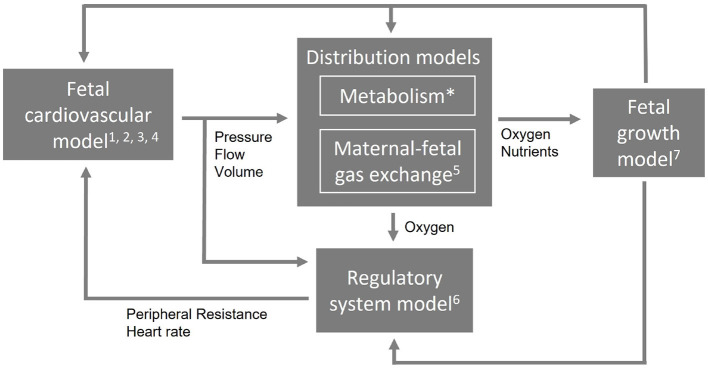
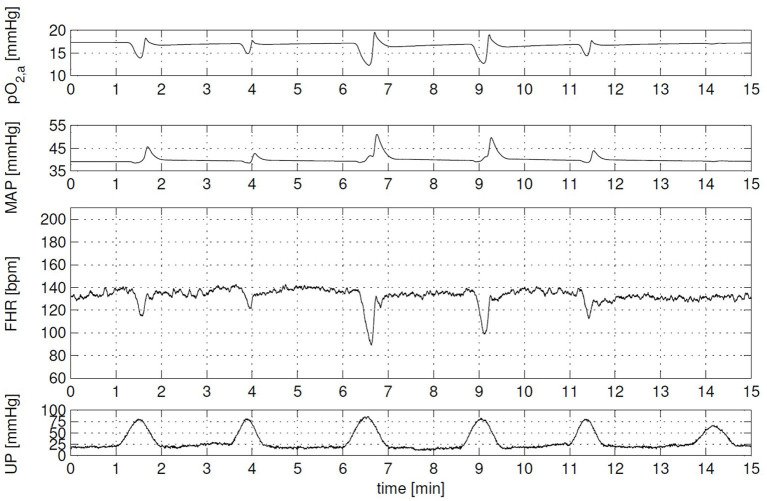
Preterm birth is the main cause of neonatal deaths with increasing mortality and morbidity rates with decreasing GA at time of birth. Currently, premature infants are treated in neonatal intensive care units to support further development. However, the organs of, especially, extremely premature infants (born before 28 weeks of GA) are not mature enough to function optimally outside the womb. This is seen as the main cause of the high morbidity and mortality rates in this group. A liquid-filled incubator, a so-called PLS system, could potentially improve these numbers for extremely premature infants, since this system is designed to mimic the environment of the natural womb. To support the development and implementation of such a complex system and to interpret vital signals of the fetus during a PLS system operation, a digital twin is proposed. This mathematical model is connected with a manikin representing the digital and physical twin of the real-life PLS system. Before developing a digital twin of a fetus in a PLS system, its functional and technical requirements are defined and existing mathematical models are evaluated.
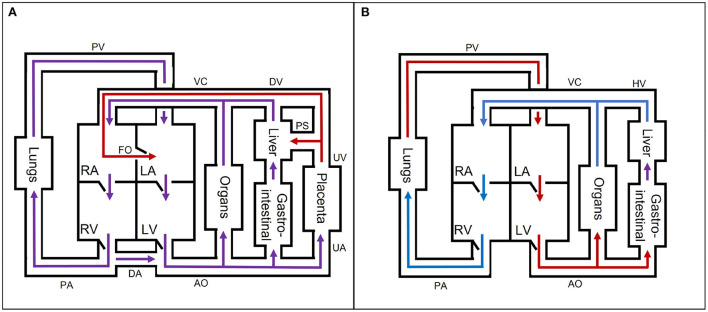
This review summarizes existing 0D and 1D fetal circulatory models that potentially could be (partly) adopted for integration in a digital twin of a fetus in a PLS system based on predefined requirements. The 0D models typically describe hemodynamics and/or oxygen transport during specific events, such as the transition from fetus to neonate. Furthermore, these models can be used to find hemodynamic differences between healthy and pathological physiological states. Rather than giving a global description of an entire cardiovascular system, some studies focus on specific organs or vessels. In order to analyze pressure and flow wave profiles in the cardiovascular system, transmission line or 1D models are used. As for now, these models do not include oxygen transport.
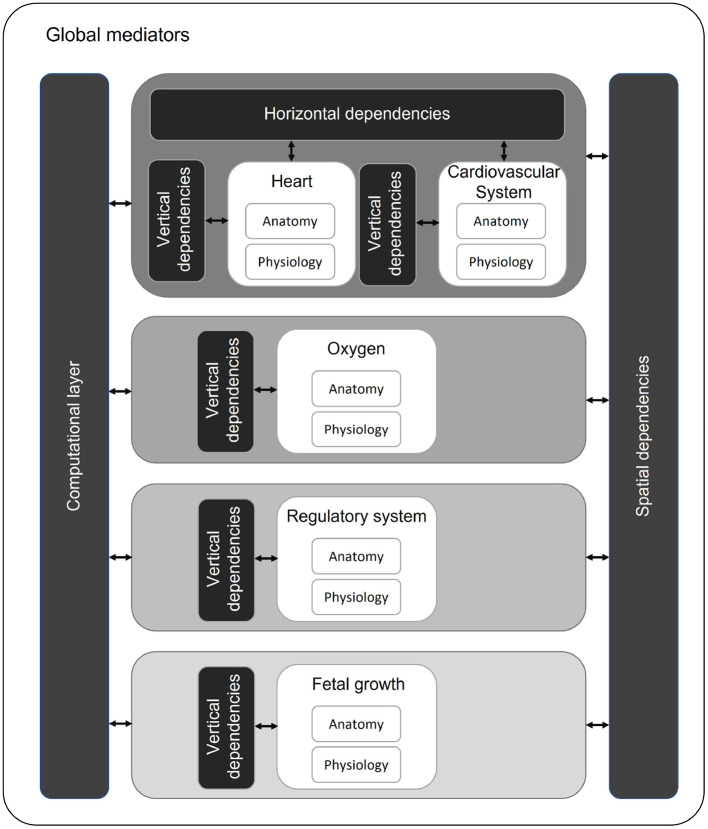
This study shows that none of the models identified in literature meet all the requirements relevant for a digital twin of a fetus in a PLS system. Nevertheless, it does show the potential to develop this digital twin by integrating (parts) of models into a single model.
早产是新生儿死亡的主要原因,随着出生时胎龄的降低,死亡率和发病率不断上升。目前,早产儿在新生儿重症监护病房接受治疗以支持其进一步发育。然而,尤其是极早产儿(胎龄小于28周出生)的器官在子宫外还不够成熟,无法最佳地发挥功能。这被视为该群体高发病率和死亡率的主要原因。一种充液式保育箱,即所谓的PLS系统,可能会改善极早产儿的这些数据,因为该系统旨在模拟自然子宫环境。为了支持这种复杂系统的开发和实施,并在PLS系统运行期间解读胎儿的生命信号,提出了一种数字孪生模型。这个数学模型与一个人体模型相连,该人体模型代表了现实生活中PLS系统的数字和物理孪生模型。在开发PLS系统中胎儿的数字孪生模型之前,先定义其功能和技术要求,并评估现有的数学模型。
本综述总结了现有的零维(0D)和一维(1D)胎儿循环模型,这些模型有可能根据预定义的要求(部分)被采用,以集成到PLS系统中胎儿的数字孪生模型中。0D模型通常描述特定事件(如从胎儿到新生儿的过渡)期间的血流动力学和/或氧气输送。此外,这些模型可用于发现健康和病理生理状态之间的血流动力学差异。一些研究并非对整个心血管系统进行全局描述,而是专注于特定器官或血管。为了分析心血管系统中的压力和血流波形,使用了传输线或1D模型。目前,这些模型不包括氧气输送。
本研究表明,文献中确定的模型均未满足PLS系统中胎儿数字孪生模型的所有相关要求。然而,它确实显示了通过将模型(部分)集成到单个模型中来开发这种数字孪生模型的潜力。